
NVIDIA Vera CPU Delivers 2x AI Agent Speed Against AMD's 256-Core EPYC Venice
NVIDIA challenges AMD's dominance in server processors as Agentic AI workloads shift data center priorities toward efficiency and orchestration speed.
Hardware by Masaru Hoshino on Nov 08, 2026
The battle for data center dominance is entering a new phase as NVIDIA challenges AMD with its custom Arm-based Vera CPU. As the industry shifts from training large language models (LLMs) toward deploying autonomous Agentic AI systems, CPU performance is becoming increasingly important. NVIDIA now claims Vera delivers 2x agent speed compared to AMD's 256-core EPYC Venice, suggesting that having more cores does not necessarily guarantee better performance in modern AI infrastructure.
The latest figures highlight a growing competition over agent orchestration, memory bandwidth, and power efficiency. Instead of focusing exclusively on raw processing throughput, NVIDIA is positioning Vera as a processor designed to maximize completed AI tasks within a limited power budget.
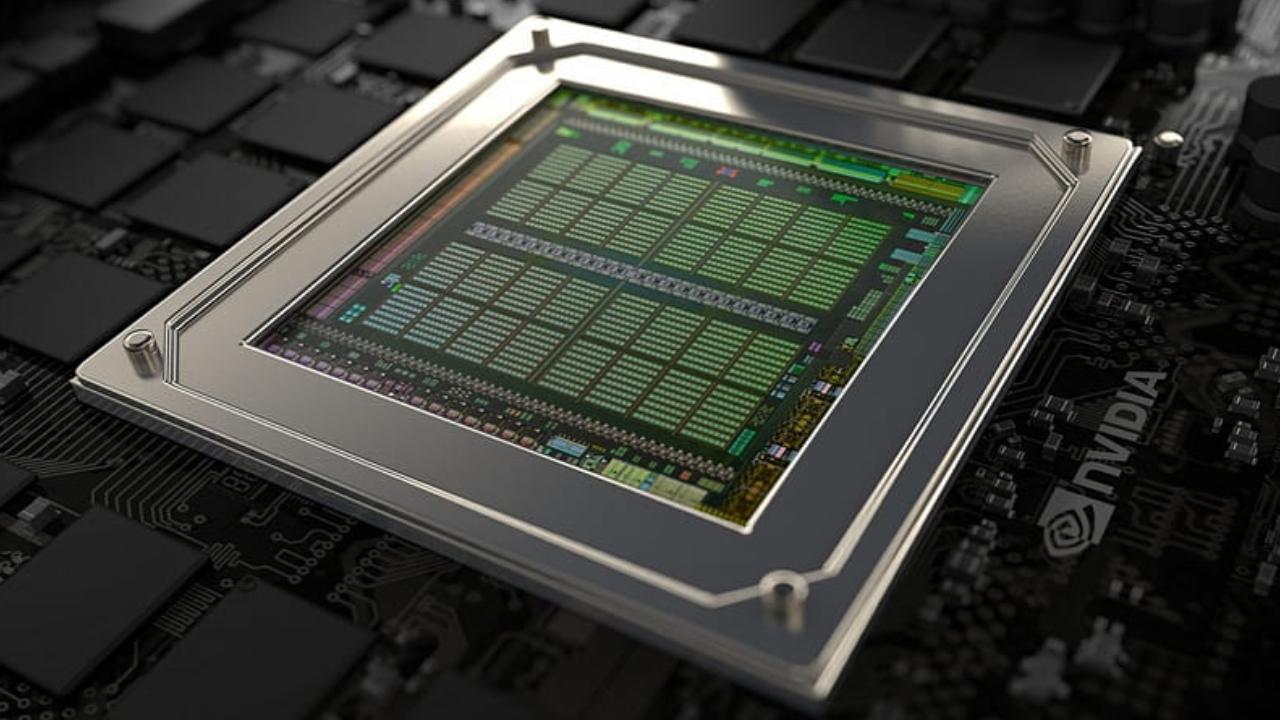
NVIDIA Vera CPU Claims 2x Agent Speed Over AMD
NVIDIA's headline claim is a 2x improvement in agent speed, measured in tasks per Megawatt, compared with AMD's 256-core Zen 6 EPYC Venice processor. This metric measures how much AI-related work a data center can complete within a specific electricity budget.
Agentic AI workloads differ from traditional CPU-intensive applications. AI agents often interact with databases, run code, fetch information, and coordinate various actions. GPUs are used for inference. These workflows require efficient CPU orchestration, and execution delays can affect an AI system's overall performance.
NVIDIA also claims Vera delivers 1.6x more agents per watt and 60% higher performance per watt compared with AMD's frequency-optimized 96-core Venice configuration.
These comparisons show that NVIDIA is focusing on efficiency, not only on core count. Doing more work without increasing power consumption can mean significant infrastructure savings for hyperscalers running massive AI factories.
Olympus Cores vs. AMD Zen 6: Architecture Matters
This comparison is especially intriguing given the hardware configurations. NVIDIA Vera contains 88 unique Arm-based Olympus cores and is backed by up to 1.5TB of LPDDR5X memory with about 1.2TB/s of bandwidth. AMD's EPYC Venice takes a different approach, with up to 256 Zen 6 cores for maximum parallel computing capacity.
AMD's architecture is particularly well suited for classic enterprise workloads such as virtualization, databases, and substantially multithreaded programs. But Agentic AI has other requirements.
It's not always beneficial for an AI agent to spread every operation across hundreds of CPU cores. Its workflow usually includes a sequence of operations, frequent memory accesses, and coordination among multiple software components.
That's where NVIDIA sees an edge for Vera. Its proprietary Arm architecture combines lots of memory bandwidth with a more focused approach to agent orchestration. The 1.2TB/s memory bandwidth could also help prevent memory access from becoming a bottleneck when numerous agents operate simultaneously.
Consequently, NVIDIA is attempting to demonstrate that architectural efficiency and memory performance can matter more than raw core density in specialized AI workloads.
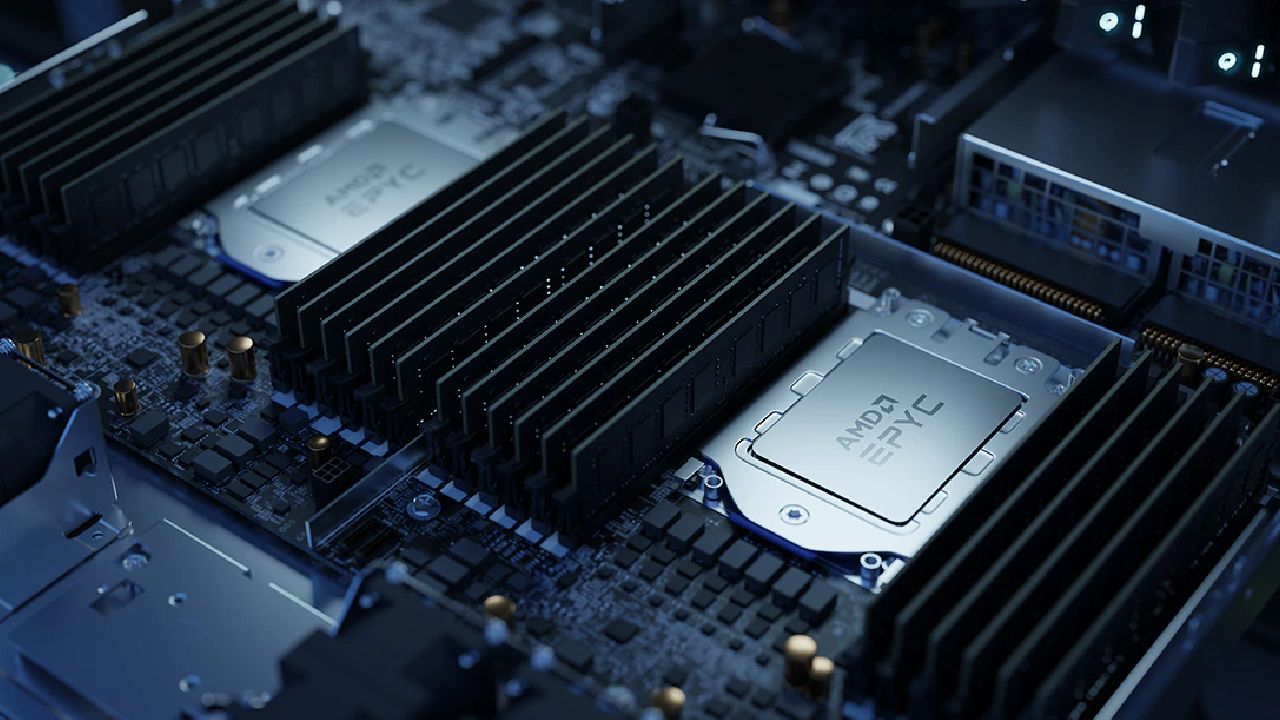
Early Customers Report Promising Results
NVIDIA backs its claims with early customer results from DeepInfra, ClickHouse, and Perplexity. DeepInfra reportedly achieved 2.2x faster agent orchestration compared with its best x86 processor across four tested architectures. Perplexity also reported that agentic coding tasks ran 1.5x faster on Vera than on traditional CPUs.
ClickHouse also showed a promising result, scaling almost linearly across 176 cores with its regular software binary, without any Vera-specific optimization. These results offer positive data outside NVIDIA's own benchmarks. However, partner-reported figures should still be evaluated alongside independent testing using comparable configurations and workloads.
NVIDIA Targets AMD's Efficiency Advantage
The server CPU war is no longer exclusively about core counts. AMD's 256-core EPYC Venice remains a formidable option for conventional enterprise computing and heavily parallel workloads. NVIDIA, meanwhile, is targeting the growing Agentic AI market with a processor designed around orchestration efficiency.
If its performance claims hold up across broader production deployments, Vera could become an attractive alternative for AI factories prioritizing tasks per Megawatt.
For AMD, the challenge is proving that its enormous Zen 6 core counts can deliver equally compelling economics in emerging AI workloads. Ultimately, the winner will be determined not by who packs more cores into a socket, but by who delivers more useful computing within the same power budget.
FAQ
Q. How much faster is NVIDIA Vera compared to AMD EPYC Venice in Agentic AI workloads?
A. NVIDIA claims its Vera CPU delivers 2x agent speed compared to AMD's 256-core EPYC Venice processor, measured in tasks per Megawatt.
Q. How many cores does NVIDIA Vera have compared to AMD EPYC Venice?
A. NVIDIA Vera features 88 custom Arm-based Olympus cores, while AMD EPYC Venice offers up to 256 Zen 6 cores.
Q. How much memory bandwidth does NVIDIA Vera offer?
A. NVIDIA Vera supports up to 1.5TB of LPDDR5X memory, delivering approximately 1.2TB/s of memory bandwidth.
Q. Which companies have reported performance improvements with NVIDIA Vera?
A. DeepInfra, ClickHouse, and Perplexity have reported promising results. DeepInfra achieved up to 2.2x faster agent orchestration in its tests.
Editor, NoobFeed
Gaming Hardware Updates
No Data.