
NVIDIA Vera CPUs Signal a Massive Threat to Intel and AMD’s x86 Dominance
NVIDIA’s Vera CPUs could accelerate Arm adoption as AI inferencing reshapes hyperscale data center infrastructure worldwide.
Hardware by Tanvir Kabbo on May 24, 2026
This time, it's not just about GPUs – the Computex 2026 is poised to become one of the most significant trade events for modern computing. According to GF Securities analyst expectations, NVIDIA is preparing to position its upcoming Arm-based Vera CPUs as a direct threat to both Intel and AMD in the enterprise CPU market.
The most aggressive part of the prediction is not merely that Vera will compete with x86 processors, but that NVIDIA may publicly claim massive efficiency and throughput advantages. Analysts expect the company to present Vera CPUs as delivering 1.5x faster performance, 2x overall compute performance, and an astonishing 4x higher rack density compared to competing x86 platforms.
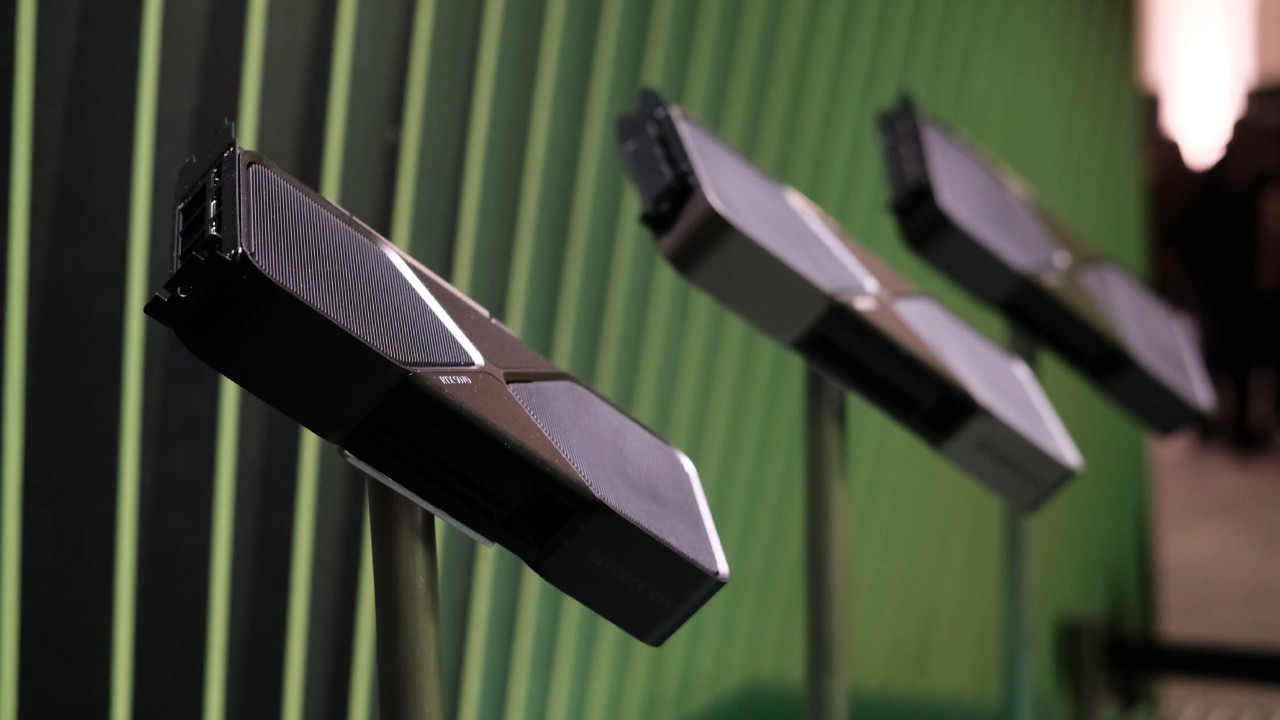
The potential impact of those assertions is far-reaching, beyond AI servers alone, if they prove true in the real world. This would mark a significant ramp-up in the adoption of Arm in hyperscale infrastructure and could impact the industry's future CPU trajectory.
The 1.5x Performance Leap NVIDIA Wants the Industry to Notice
Intel and AMD have ruled the server industry for years with mass-scaling x86 cards. More cores, larger caches, and increasingly aggressive power envelopes helped maintain leadership in enterprise computing. AI, however, is changing the equation faster than traditional CPU roadmaps can adapt.
NVIDIA’s Vera architecture appears designed around a different philosophy entirely. Rather than maximizing raw CPU throughput in isolation, Vera is expected to function as an ultra-efficient orchestration layer for massive GPU clusters powered by the upcoming NVIDIA Vera Rubin platform. That distinction matters.
Today, AI infrastructure is no longer based on using CPUs for main workloads. Instead, CPUs increasingly feed, schedule, and coordinate GPU-heavy inferencing tasks. In that environment, power efficiency, memory bandwidth coordination, and rack scalability become more valuable than traditional single-threaded x86 dominance. This is where NVIDIA’s projected 4x higher density per rack becomes especially significant.
Rack density is effectively the currency of hyperscale AI deployment. If Vera can truly deliver substantially higher compute density while consuming less power and incurring less thermal overhead, cloud providers could dramatically increase inference capacity without proportionally expanding physical infrastructure. That creates a nightmare scenario for traditional x86 vendors.
Intel and AMD still possess deep ecosystem advantages, mature software compatibility, and decades of enterprise deployment trust. But AI data centers increasingly prioritize total throughput per watt and deployment efficiency over legacy compatibility. Arm architectures thrive under those conditions because they are fundamentally optimized for scalable efficiency rather than historical desktop compatibility.
The Agentic AI Era is Rewriting the Hardware Stack
The biggest reason NVIDIA’s CPU strategy suddenly matters is one phrase now dominating enterprise conversations: Agentic AI. Unlike traditional generative AI systems that respond to isolated prompts, Agentic AI refers to autonomous AI systems capable of planning, reasoning, task chaining, memory retention, and continuous interaction without constant human intervention.
That shift dramatically changes hardware requirements.
Training large language models remains GPU-intensive, but the next explosion in AI demand is expected to come from large-scale inference. Millions of AI agents continuously operating across enterprise environments place enormous pressure on data movement, memory coordination, scheduling latency, and system orchestration.
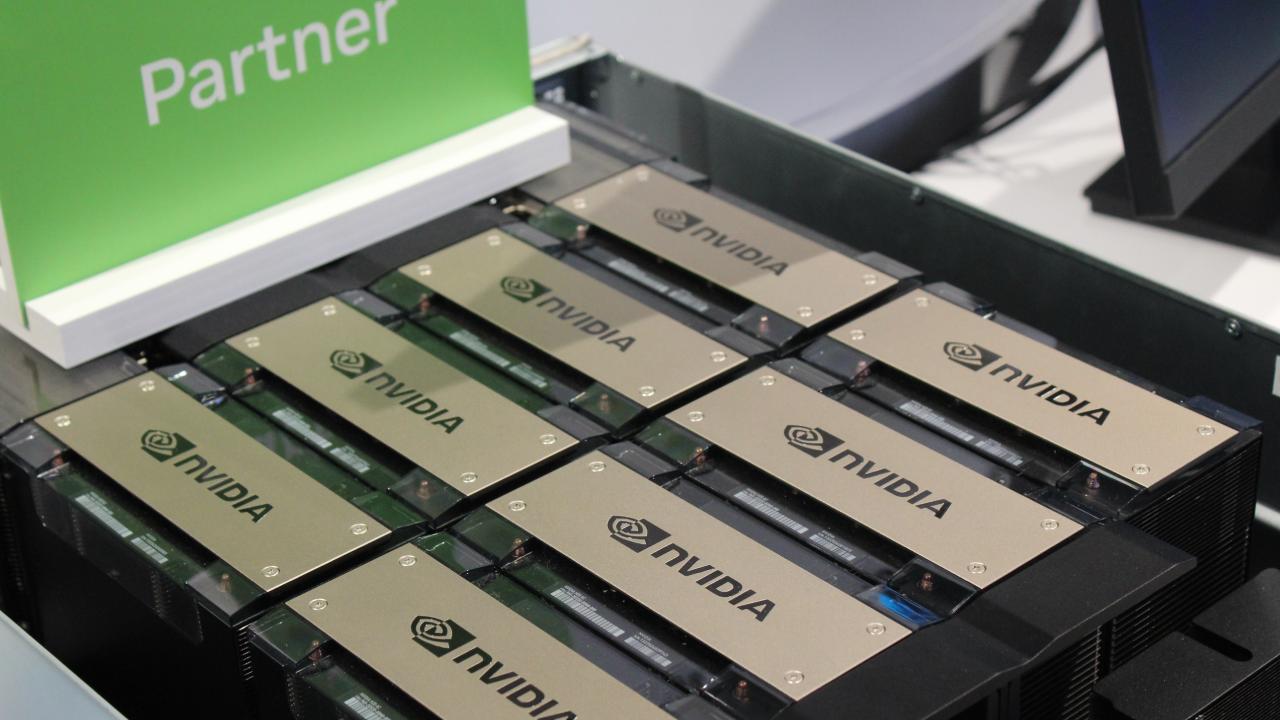
In simpler terms, GPUs may still handle heavy computation, but CPUs are increasingly becoming the traffic controllers of the AI era. That creates a bottleneck problem.
Traditional x86 CPUs were not originally architected around AI inferencing ecosystems containing thousands of interconnected accelerators. NVIDIA, however, has a unique advantage because it controls the entire AI stack simultaneously: GPUs, networking, software frameworks, interconnects, and now CPUs.
Vera is not entering the market as an isolated processor. It is entering as part of a vertically integrated AI platform specifically engineered for Agentic AI deployment. That strategic positioning could become far more dangerous than raw benchmark numbers alone.
Computex 2026 is Becoming a Symbolic Industry Turning Point
The contrast between Computex presentations this year could not be sharper.
While NVIDIA is expected to showcase enterprise-focused AI infrastructure aimed at redefining hyperscale computing, Intel’s rumored Computex focus appears to center on entry-level consumer products like the Wildcat CPU lineup. That's a comparison of the market realities the semiconductor industry will face in 2026.
AI infrastructure spending is exploding at a pace traditional PC markets cannot currently match. Enterprise AI deployments are now dictating silicon priorities, manufacturing allocation, and architectural innovation across the industry.
For NVIDIA, Vera represents more than a CPU launch. It represents an attempt to capture the last major component of the modern AI server stack that modern AI servers do not already dominate.
If NVIDIA successfully proves its claims of 1.5x faster performance and 4x higher rack density, the consequences for Intel and AMD could extend well beyond enterprise servers.
The first battleground will unquestionably remain the data center. That is where AI spending is concentrated, and where Arm efficiency advantages deliver the greatest economic impact. But history repeatedly shows that enterprise shifts eventually trickle into consumer markets.
Ten years ago, few PC enthusiasts imagined ARM processors threatening traditional desktop architectures. Today, Arm already dominates smartphones, increasingly powers laptops, and is now aggressively entering the AI infrastructure market.
If NVIDIA establishes Vera as the preferred CPU companion for next-generation AI systems, the long-term pressure on x86 ecosystems will intensify rapidly.
The real question is no longer whether Arm can compete with x86 in high-performance computing. Computex 2026 may determine whether Arm is finally ready to lead it.
Senior Editor, NoobFeed
Gaming Hardware Updates
No Data.