
NVIDIA RTX 5080 16GB Could Be Discontinued Alongside RTX 5090 in 2027
RTX 5090 supply restrictions and rising RTX 5080 prices highlight the growing influence of AI hardware demand on NVIDIA's business.
Hardware by Tanvir Kabbo on Nov 02, 2026
AI demand continues to wreak havoc on GPU production and availability, and doubt is growing about NVIDIA's high-end GPU lineup. The GeForce RTX 5090 is becoming increasingly elusive as its add-in board partners reportedly struggle to get their hands on new GPU packages. At the same time, the RTX 5080 has seen a large price increase, and rumors suggest the current 16GB variant may also be retired in January 2027.
This raises questions about NVIDIA's focus as the AI hardware market grows more profitable, potentially leaving PC gamers with fewer options for reasonably priced high-end graphics cards.
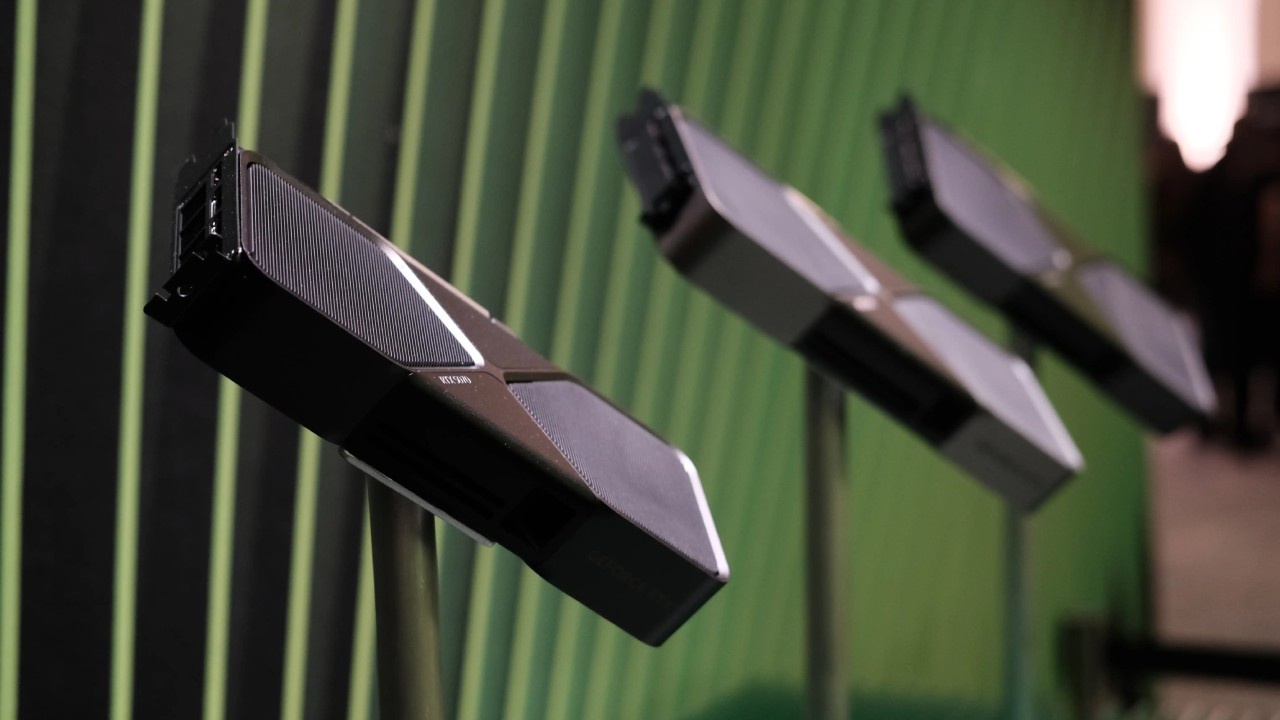
NVIDIA RTX 5090 Supply Concerns Continue Despite Official Statements
The RTX 5090 remains uncertain, even though NVIDIA has confirmed it is still shipping the graphics card. However, reports say numerous add-in board partners don't accept the company's reassuring assurances and say they cannot place new orders for the required GPU packages.
The packages contain the graphics processor and associated memory components supplied by NVIDIA. The scarcity of these parts directly affects third-party producers' ability to make more RTX 5090 models.
Several partners apparently spoke about the matter anonymously for fear of possible fallout from NVIDIA. And retailers like Newegg and Micro Center have also apparently been delisting certain RTX 5090s because they can't fulfill orders.
There's a big difference between NVIDIA continuing to market RTX 5090 graphics cards and continuing to build them. Existing inventory may still be flowing through distribution channels, including shipments already in transit or stock committed to systems integrators. NVIDIA hasn't provided comprehensive production numbers, creating uncertainty about the exact volume of consumer RTX 5090 cards being produced.
NVIDIA Could Redirect GB202 GPUs Toward More Profitable AI Hardware
The RTX 5090's GB202 graphics processor itself may not be at the end of its production run. Instead, rumors suggest NVIDIA may be dedicating its remaining dies to higher-margin AI and workstation cards like the RTX Pro 5500 Blackwell and other professional computing cards. That could be why the consumer RTX 5090 is becoming harder and harder to buy, despite NVIDIA insisting it's still shipping.
Demand is also evolving for system integrators. Rising prices for memory, storage, and graphics cards have significantly impacted traditional consumer PC sales. But demand for high-end AI workstations has opened up another revenue opportunity.
Smaller development companies increasingly require powerful hardware to run large language models, develop AI agents, and handle other computing workloads. As a result, system integrators are shifting some attention to AI workstation configurations to maintain sales.
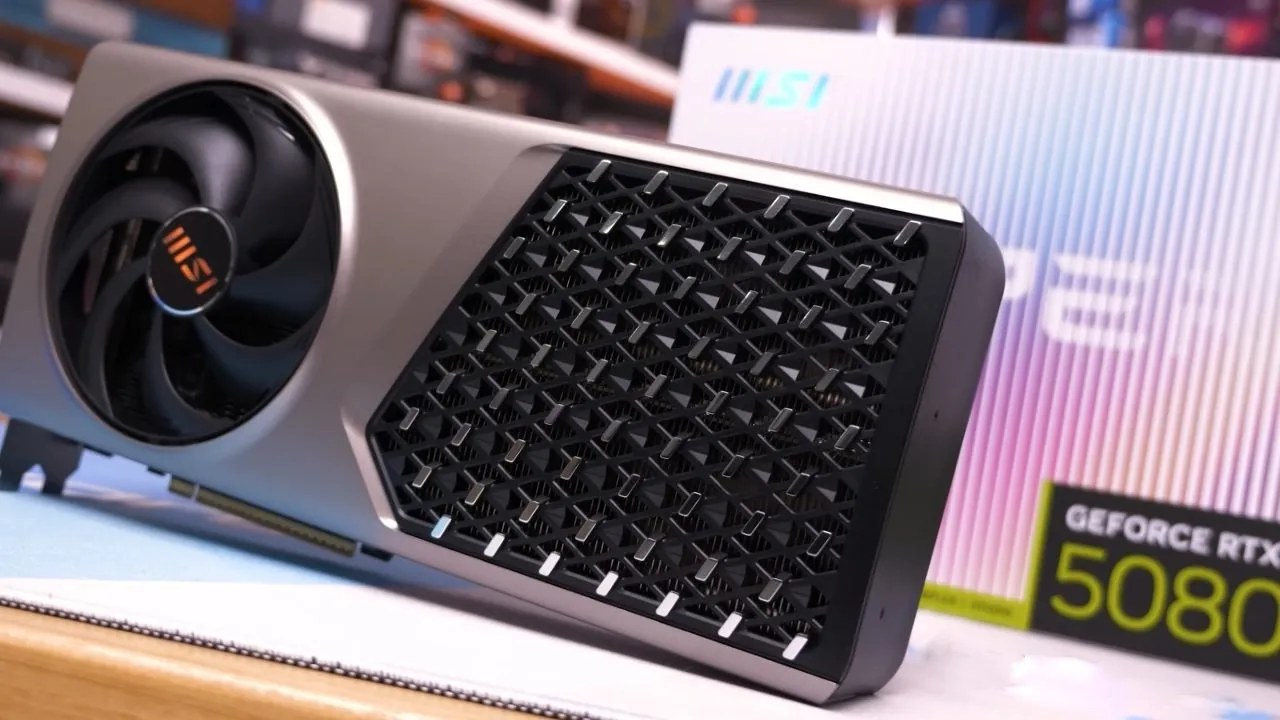
NVIDIA RTX 5080 Prices Nearly Double as Availability Declines
The RTX 5090 situation is also affecting the RTX 5080. As the more powerful graphics card becomes harder to buy, demand is shifting toward the next available high-end option. The RTX 5080 16GB, originally carrying an NVIDIA MSRP of $999, is reportedly selling for approximately $1,800-$2,300 depending on the retailer and model.
Micro Center has reportedly listed some models around $1,829, while Best Buy prices have reached approximately $1,999. B&H has also listed models around $2,199, with certain PNY configurations reaching $2,299.
These prices represent a substantial increase over MSRP. However, NVIDIA's original $999 pricing was already difficult to find outside the Founders Edition because third-party manufacturers reportedly struggled with production costs. Adding to the uncertainty, VideoCardz has reported that RTX 5080 models have also disappeared from NVIDIA's website.
NVIDIA RTX 5080 24GB Could Replace the Existing Model
Another circulating rumor suggests NVIDIA could discontinue both the RTX 5090 and RTX 5080 16GB in January 2027. A potential RTX 5080 24GB could replace it.
The extra VRAM would make the rumored graphics card more appealing for AI workloads. Graphics cards like the RTX 3090 and RTX 4090 are already popular for running local AI models because of their larger memory capacities. But growing demand from AI developers could mean more competition for gamers.
Older RTX Graphics Cards Reportedly Have Artificial Tensor Limits
Another development is artificial tensor performance limits that modders say they found on NVIDIA RTX 20-series, RTX 30-series, and RTX 40-series graphics cards. The Ada project developer reportedly doubled FP16 and BF16 tensor throughput with FP32 accumulation on the RTX 4090, increasing performance from about 166 TFLOPS to 331 TFLOPS.
The modification reportedly uses a Linux module that applies an override before the standard NVIDIA driver starts. These figures have not been independently verified, and the changes do not increase gaming FPS. Instead, they specifically improve computing capabilities used for AI and professional workloads.
The discovery may make older consumer GPUs more desirable for low-cost AI workstations. But higher demand may also affect the used graphics card market, making it harder for gamers to find cheap upgrades. Ultimately, NVIDIA's shifting emphasis on GPUs points to how rising AI demand is reshaping the consumer graphics card landscape, and how supply issues and higher prices may continue until 2027.
Senior Editor, NoobFeed
Gaming Hardware Updates
No Data.