
AMD Zen 6 12-Core CPU Could Challenge 16-Core Ryzen Flagships
Nvidia RTX 5090 supply concerns, Alienware processor restrictions, and AMD Zen 6 performance rumors highlight major changes across the PC hardware market.
Hardware by Nahe Yan on Nov 01, 2026
The PC hardware market is facing several changes that could affect how buyers upgrade their systems. Nvidia's RTX 5090 supply is reportedly under pressure, raising concerns about GPU availability and pricing. Meanwhile, an Alienware desktop owner has encountered a potential processor-locking issue that could limit hardware upgrades.
On the other hand, AMD's upcoming Zen 6 architecture could bring a major increase in CPU performance, with rumors suggesting that a 12-core processor may compete with today's 16-core flagship models. One market report floated a figure near $3,000. That's speculation, not an official Nvidia launch price.
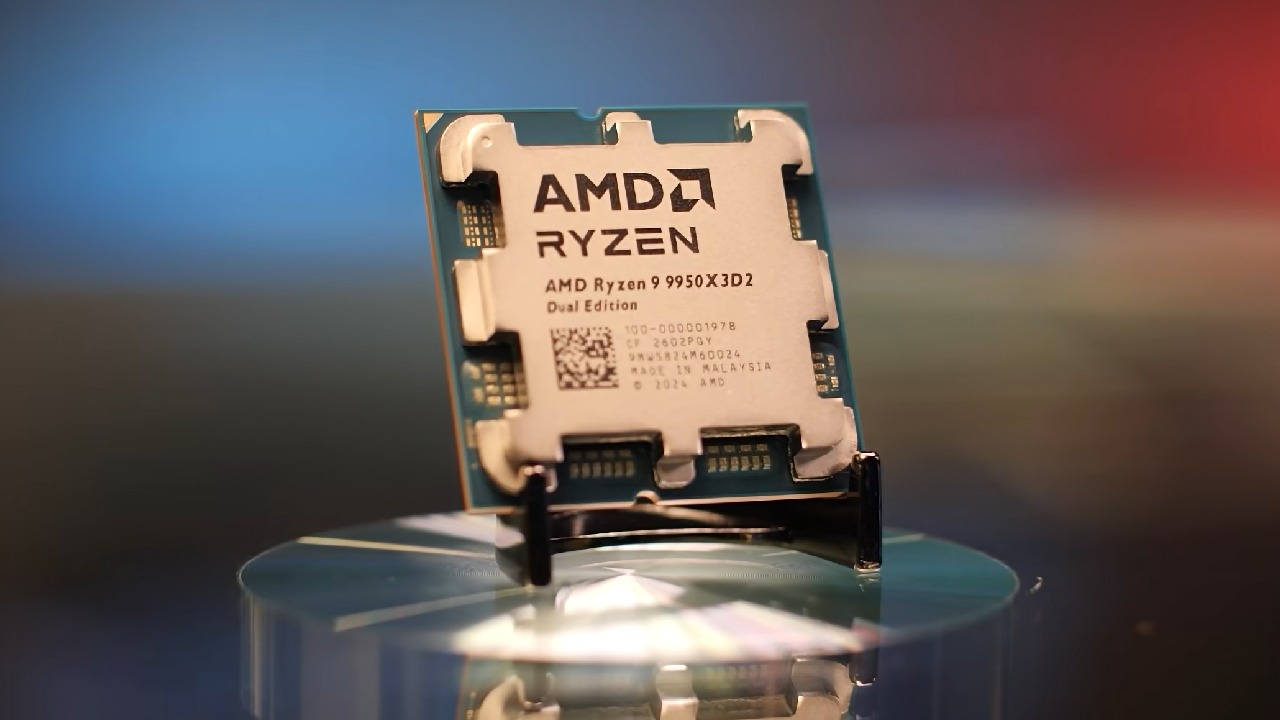
Alienware Ryzen 9 9950X3D Could Be Vendor Lock-in.d
Imagine paying thousands for a gaming PC only to discover that its expensive processor might not work in your next build. That brings us to Alienware. An Alienware Area-51 owner reportedly bought a pre-built system intending to move its components into a custom PC. That included AMD's Ryzen 9 9950X3D, a 16-core AM5 processor.
Ordinarily, you would expect a CPU to work in another compatible AM5 motherboard with proper firmware support. But according to the owner, this one would not boot outside the original system. After testing other components, trying different processors, and consulting a repair shop, the owner was told the CPU appeared to be vendor-locked.
The suspected cause is AMD Platform Secure Boot, or PSB. This is different from the standard Secure Boot option in your BIOS. PSB verifies trusted manufacturer firmware, and certain implementations can bind a processor to a vendor signing key using one-time programmable fuses. If that happens, the CPU may refuse to boot on a motherboard from another manufacturer.
That protection has a purpose in enterprise computers, where malicious firmware is a major security risk. But on a gaming desktop, permanent restrictions raise questions about ownership. This Alienware case comes from a user report. Dell and AMD have not published a full technical explanation of this individual failure. Similar vendor locking has appeared in earlier systems, but that does not mean every Alienware desktop is affected.
A good deal stops looking good when a valuable component loses its upgrade and resale flexibility.
Finally, there's some interesting news for people waiting to upgrade their processors. AMD's Zen 6 architecture could deliver a much bigger performance jump than many expected. A recent exchange involving One Asmus, the developer known for Ryzen tuning software, started the discussion. He saw a high Cinebench score and guessed it might belong to a 12-core Zen 6 CPU.
Someone corrected him. The score came from a current 16-core Ryzen system. He admitted the mistake, then suggested that a 12-core Zen 6 chip gets surprisingly close to that performance. Today, high-end Ryzen desktop processors typically offer up to eight cores per core complex die, or CCD. The discussion points to a possible move to 12 cores per CCD with Zen 6.
Put two of those chiplets together, and AMD could potentially build a 24-core mainstream desktop processor. That could mean 50% more cores than today's 16-core flagships. If a 12-core Zen 6 processor matches a 16-core Zen 5 in the same multi-threaded test, the new cores would average roughly 33% more throughput each.
Editor, NoobFeed
Gaming Hardware Updates
No Data.