
AMD Radeon GPU Prices Set to Rise Again in November 2026 as GDDR6 Costs Surge
AMD's upcoming November price adjustment highlights growing memory supply pressures that could make Radeon graphics cards even more expensive.
Hardware by Tanvir Kabbo on Oct 31, 2026
The graphics card market is heading toward another difficult period for PC builders, with AMD reportedly preparing another price increase for its Radeon lineup. According to a new report from ChannelGate, AMD has told its Add-In Board (AIB) partners that prices for its GPU and memory bundles will increase again starting in November 2026.
This follows previous supply price adjustments in October, suggesting that rising component costs are becoming a persistent problem rather than a temporary disruption. Timing is particularly frustrating for consumers. Radeon graphics cards are already selling for well above their initial launch cost, making it harder and harder to acquire a fairly priced upgrade.
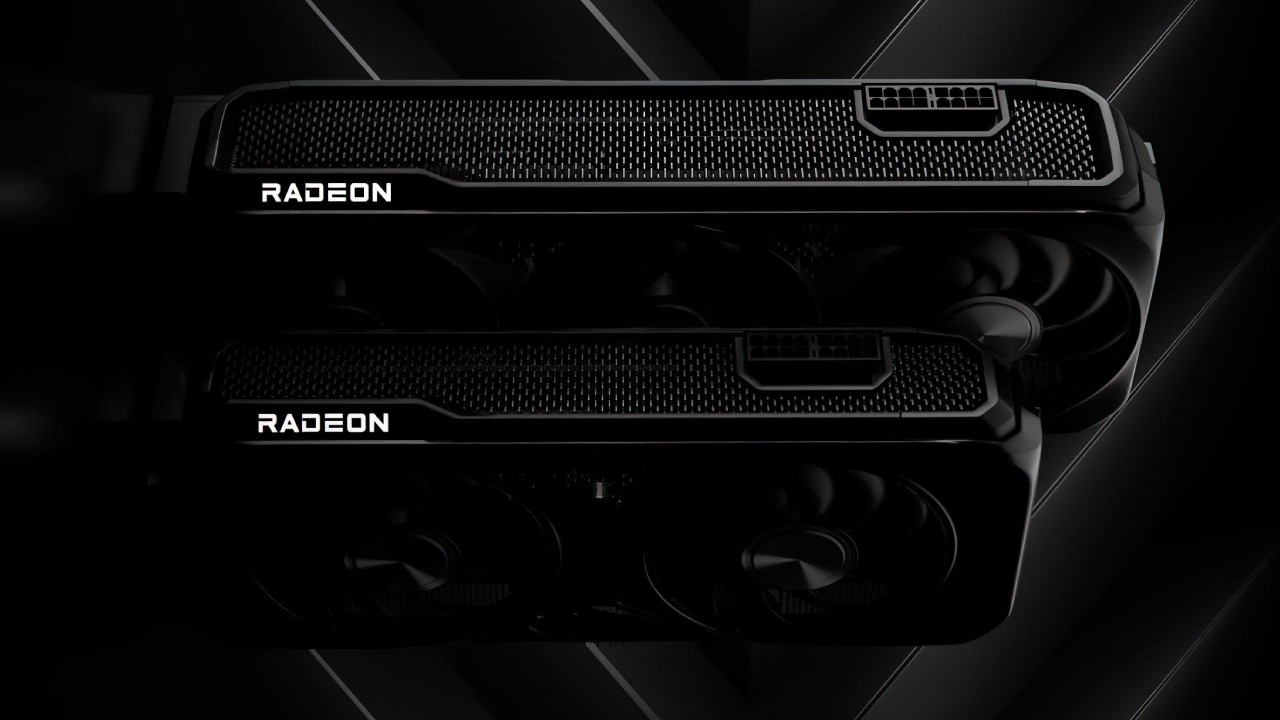
Another supply hike might put more pressure on manufacturers such as ASUS, MSI and Gigabyte, which in turn could lead to higher costs through retail channels. AMD has not confirmed the alleged change, but the development underscores the mounting financial pressure facing the graphics card sector.
Rising GDDR6 Memory Costs Force AMD to Adjust GPU Bundle Pricing
AMD's November price increase is driven largely by higher GDDR6 memory costs. GDDR6 prices rose 8% to 10% in the third quarter of 2026, according to ChannelGate, adding to costs for manufacturers that rely on the memory standard.
AMD doesn't require its board partners to source every piece they need; it provides a GPU-and-RAM bundle. These packages comprise the graphics processor and accompanying memory chips, which AIB makers then match with their own printed circuit boards, power distribution systems, cooling solutions, and other parts.
As a result, rising memory costs can directly affect the initial cost of manufacturing a graphics card. The more AMD has to pay for GDDR6 memory, the harder it becomes to maintain prior bundle rates, especially as component costs continue to rise across the semiconductor industry.
Changing objectives and demand challenges are also affecting output in the wider memory market. They must balance existing production capacity against demand from multiple hardware sectors. This can cause prices to vary widely. The 8-10% GDDR6 price increase is a clear sign of additional cost pressure on AMD, though the exact details of the alleged quarter-on-quarter rise haven't been fully disclosed.
More crucially, the November adjustment reportedly follows another round of pricing revisions in October. This suggests AIB manufacturers could face repeated increases rather than a single adjustment they can absorb through existing margins.
Radeon RX 9070 XT Highlights the Growing Retail Pricing Problem
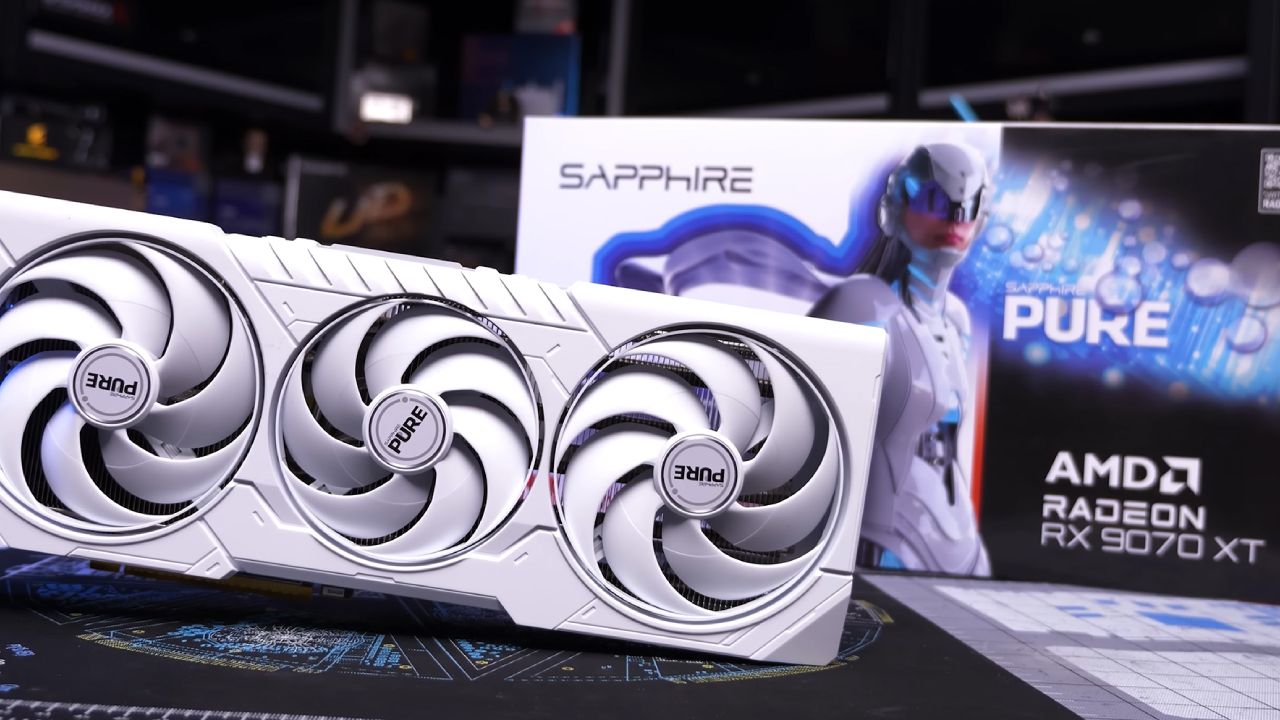
The potential consequences become clearer when you look at the current retail situation. AMD has officially announced the Radeon RX 9070 XT at $599, offering a competitive option for fans seeking solid gaming performance below the usual flagship range.
The market now, however, tells a very different story. The RX 9070 XT often retails above $900, with some higher-end custom designs reaching around $1,000. This is a far cry from AMD's initial price approach. A $599 graphics card is suddenly competing with a much more expensive piece of hardware, and that's a huge hit to much of the original value argument.
Another price hike on AMD's GPU and RAM bundles could make things worse. AIB makers also have to factor in costs beyond the GPU itself, including circuit boards, cooling systems, manufacturing, distribution, and retailers' margins. Higher component procurement costs make it more difficult to keep retail prices competitive.
That said, an 8-10% bump in GDDR6 prices doesn't always mean the final graphics card price will rise proportionally. Memory represents only one portion of total manufacturing expenses, and individual manufacturers have different inventory levels and purchasing agreements.
TSMC Wafer Costs Could Put Ryzen Processors Under Pressure
AMD's Radeon pricing challenges are also developing alongside broader semiconductor manufacturing pressures. September reports indicated that increasing TSMC wafer costs were putting additional pressure on AMD's chip business.
This matters because AMD relies on TSMC to manufacture several key processors across its product portfolio. This may also mean that rising wafer costs could affect more than Radeon graphics cards, adding extra financial pressure to the Ryzen CPU series.
For now, there is no indication that AMD will implement another immediate price rise for Ryzen. Nevertheless, rising memory and semiconductor fabrication costs show how supply chain issues could affect AMD's hardware pricing for the remainder of 2026.
Senior Editor, NoobFeed
Gaming Hardware Updates
No Data.