
Intel Nova Lake Leak Reveals 20% Gaming Boost and 17% bLLC Performance Gains
Intel's Nova Lake architecture combines APX instruction-set improvements and advanced cache technology to deliver a potentially significant gaming performance leap.
Hardware by Tanvir Kabbo on Oct 31, 2026
Intel's upcoming Nova Lake desktop processors could represent one of the company's most significant architectural improvements in years. With Arrow Lake struggling to establish a consistent gaming advantage over AMD's Ryzen X3D lineup, Intel needs more than incremental clock-speed improvements to regain enthusiast confidence. New performance leaks suggest its next-generation desktop CPUs could deliver a considerably larger generational leap.
According to hardware leaker @Haze2K1, reportedly based on leaked internal Intel slides, Nova Lake could deliver up to a 20% improvement in overall gaming performance compared to Arrow Lake. The same data points to an 8% single-threaded improvement for normal models, but those with Base-Level L4 Cache (bLLC) could enjoy a healthy 17% jump.
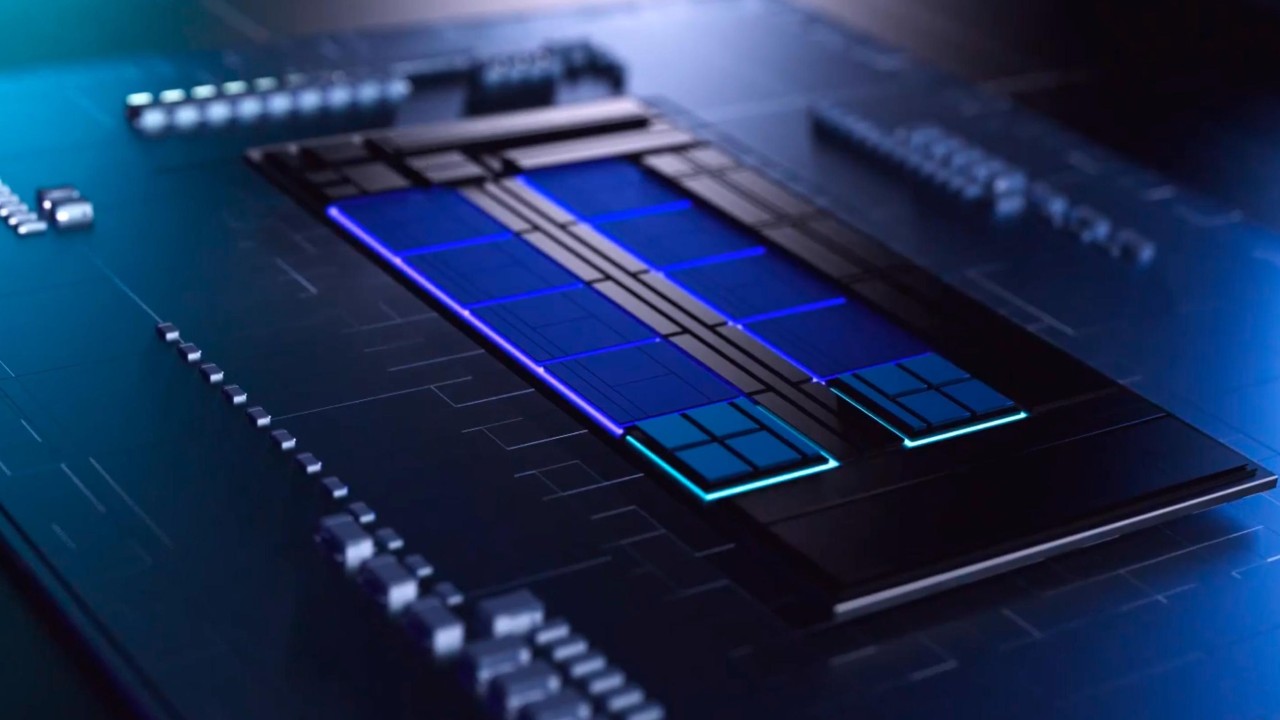
Taken at face value, these forecasts point to a strategy of architectural efficiency, instruction execution, and cache enhancements, rather than a simple increase in core count.
Breaking Down the 20% Gaming Performance Boost
The reported 20% gaming performance gain is particularly fascinating, as it seems beyond the usual generational improvements. One major contributor is Intel's Advanced Performance Extensions (APX), an x86 instruction-set enhancement designed to increase general-purpose CPU execution.
APX adds a second set of general-purpose registers for use in 64-bit mode, bringing the total from 16 to 32, which is a major upgrade. A register is a very fast storage space inside the CPU cores that temporarily holds information needed during instruction execution.
More registers mean processors can keep more data available at any given time, rather than constantly shifting information between registers and other elements of the memory hierarchy. This can avoid unnecessary data movement, improve instruction scheduling, and potentially boost execution efficiency.
The leak suggests that APX could offer as much as 15% more performance for Nova Lake. That's a huge architectural change, especially for gaming workloads with physics computations, game logic, and frequent CPU updates.
But APX acceptance will depend on compiler support and software compatibility. Existing games will not instantly benefit from the wider register architecture. As such, the indicated performance contribution should be viewed as a prediction, not as a guaranteed improvement across all gaming titles.
The bLLC Difference: 17% Single-Threaded Improvement
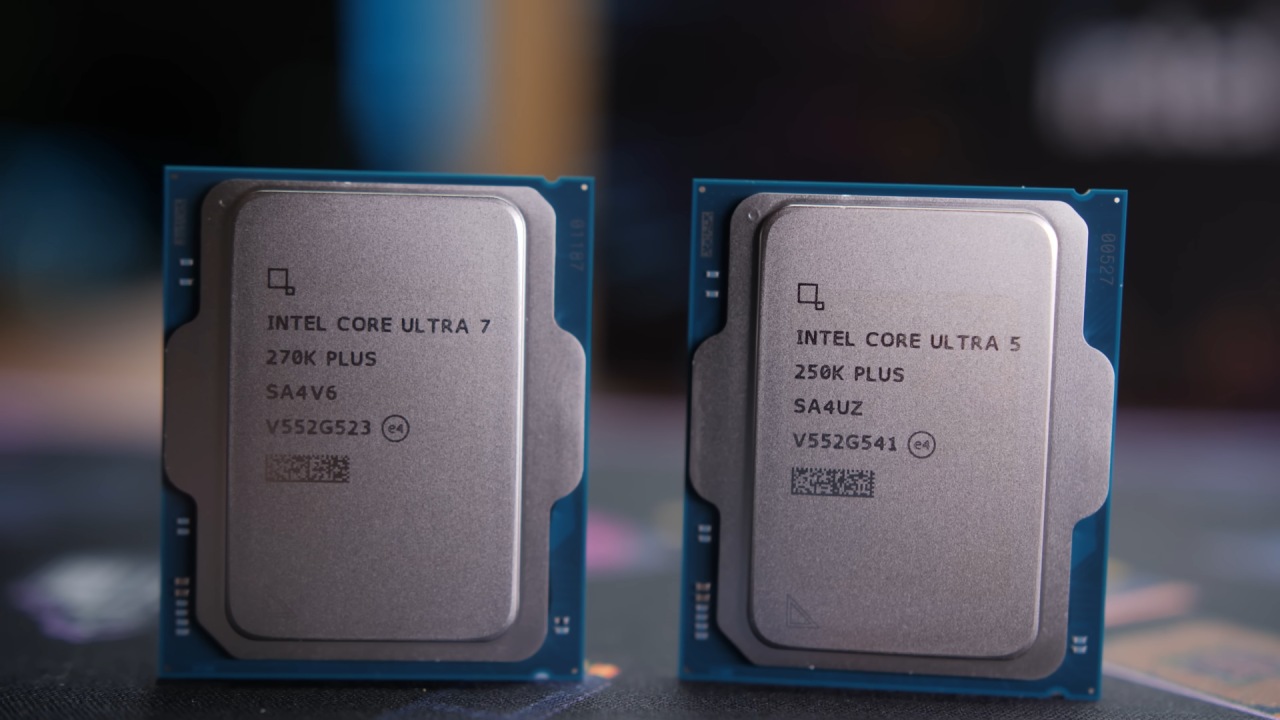
Intel's cache strategy may matter just as much. According to the leaked figures, standard Nova Lake processors without bLLC are expected to deliver approximately 8% better single-threaded performance than Arrow Lake. Meanwhile, models using bLLC might enhance that by 17%.
This discrepancy shows how cache architecture affects CPU performance. Modern games split work across many cores, but some critical processes still depend on single-core performance and memory latency.
A bigger cache keeps frequently accessed data closer to the CPU, reducing the need to fetch data from system memory. This can reduce memory-related latency and improve performance for workloads that regularly request the same data.
AMD has already shown the gaming capabilities of this technique with their Ryzen X3D CPUs and 3D V-Cache technology. Intel's bLLC method could give a competing alternative, but its deployment and real cache characteristics are not yet verified.
Importantly, the 17% figure does not mean bLLC doubles CPU performance. Instead, it represents more than twice the projected single-threaded improvement of standard Nova Lake models, increasing from 8% to 17%.
Senior Editor, NoobFeed
Gaming Hardware Updates
No Data.