
Intel Nova CPU Leaks: Performance, BLLC Cache, and Pricing
Intel Nova Lake delivers significant IPC gains with BLLC cache and high e-core count for enhanced multi-threaded performance.
Hardware by Masaru Hoshino on Dec 01, 2025
It looks like Intel's Nova will be a pretty fascinating release. Recent leaks and information from people who work there point to significant performance improvements and some surprises in pricing.
Intel's CPUs have seen a lot of ups and downs over the last few generations. Some CPUs, like the 265K, have a good price-to-performance ratio, although AMD has often been ahead in terms of technology. Their X3D cache in the Ryzen lineup has delivered excellent gaming performance, and the chiplet architecture has provided flexibility that Intel's tile-based approach hasn't fully matched in desktop CPUs—until now.

BLLC: Intel's X3D Competitor
One of the key developments in Nova is Intel's BLLC, which appears to be its answer to AMD's X3D cache. According to leaks, BLLC will be available only on unlocked SKUs, with up to 144MB of integrated storage directly on the compute tile. Earlier rumors suggested a dual-tile configuration totaling 288MB. Still, multiple sources indicate that Intel will use a single cache tile.
Interestingly, BLLC seems targeted at mid-range SKUs rather than ultra-high-end models. These chips are expected to focus on gaming performance while balancing cost considerations. Dual-tile variants appear too expensive for widespread release, and the 52-core top-end models may not include BLLC at all.
Core Configuration and Performance Gains
Nova Lake reportedly features 52 cores in total: 16 performance cores (Coyote Cove), 32 efficiency cores (Arctic Wolf), and 4 low-power cores. Early information suggests a 15% IPC gain for Coyote Cove without including APX, although exact clock frequencies remain uncertain.
Efficiency cores are expected to perform well, particularly in multi-threaded workloads. While single-threaded performance will depend heavily on final clocks, multi-threaded applications may favor Intel due to the e-core count. AMD's Zen 6 Medusa is rumored to reach 6.2-6.3GHz for high-end silicon. Still, actual performance will depend on which chips are used for specific SKUs.
Memory and Bandwidth Considerations
Memory support will also be a significant factor. People say that Nova Lake can handle DDR5 memory speeds of up to 8000 MT/s, while the Arleake refresh (300 series) might be able to handle 7200 MT/s. The timing and bandwidth of memory modules can have a significant effect on performance, especially compared to AMD's products, which may also have bandwidth issues.
Users considering HEDT installations with high-end parts should be careful with PCIe lanes, especially when using more than one GPU or NVMe SSD. Mid-range SKUs may have dual-channel memory, while higher-end CPUs may have more channels. However, price is still a major factor.
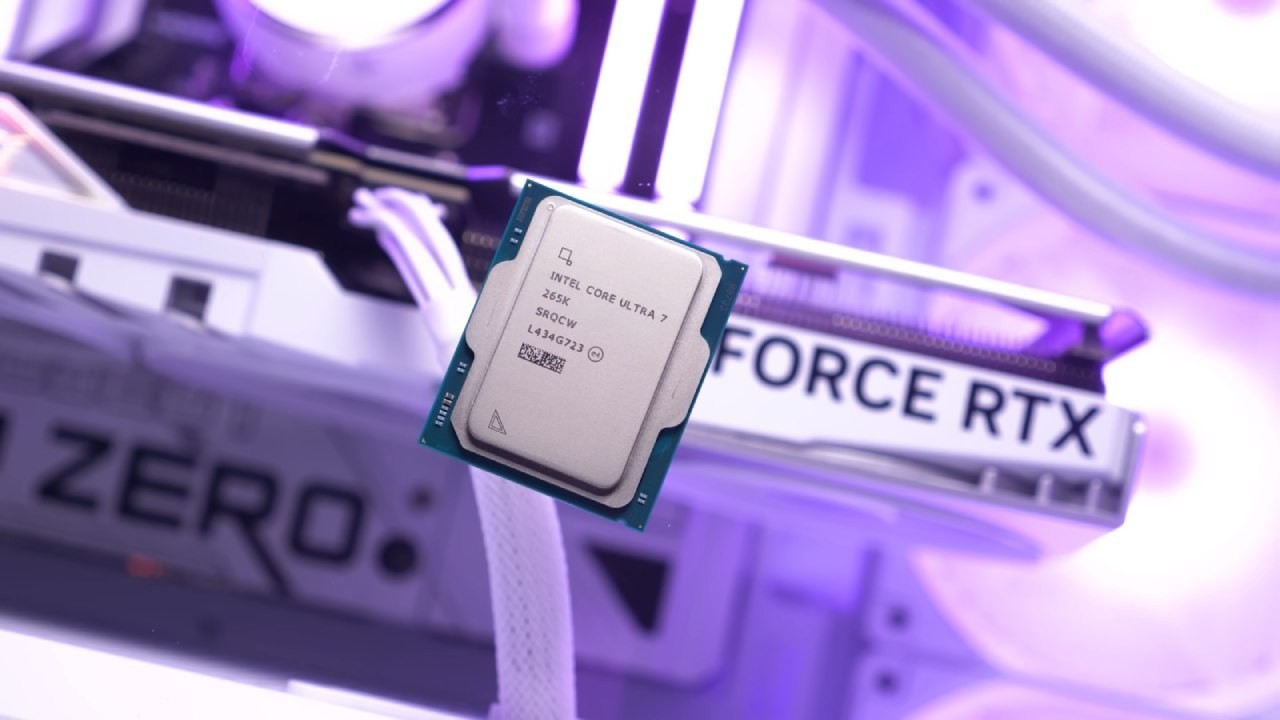
Gaming and Multi-Threaded Performance
The BLLC cache should improve game performance, especially in single-threaded apps. Still, the exact results will depend on clock speeds. If Intel reaches 6GHz and AMD reaches 6.4–6.5GHz, Zen 6 could still have a small edge in single-threaded performance. But because Nova has so many e-cores, it should do better with multi-threaded workloads, making Intel a formidable competitor in pure multi-threaded performance.
If your existing motherboard can't handle DDR5 speeds above 5600 MT/s, BIOS updates and board upgrades could boost memory speeds for AM5 users running Zen 6.
Historical Context and Industry Impact
Intel has had both big wins and big losses in the past, like when they tried to make the Pentium 4 NetBurst too powerful and then took over the Core2. The way AMD makes chips with Zen 2 and later generations has changed the competitive landscape, prompting Intel to improve its tile-based design.
Nova Lake is an attempt to regain technological leadership while also delivering high-quality gaming and multi-threaded performance.
Final Thoughts
The market for next-generation CPUs is going to be very interesting. Intel could be very competitive in gaming and productivity applications because of Nova Lake's BLLC cache, high e-core count, and DDR5 support.
When considering an update, users should consider memory speeds, BIOS compatibility, and prices. Both AMD and Intel are ready to push the limits of performance, which makes the upcoming CPU cycle one of the most exciting yet.
Also, check our other Intel articles below:
- Intel Core Ultra 9 285K Review And Performance Breakdown (2025)
- Intel Core Ultra 9 285K vs AMD Ryzen 7 9800X3D: In-Depth Gaming Performance and Benchmark Comparison
- Intel Core i5-13400F Gaming Performance: Still Worth It in 2025?
- Intel Core i9‑14900K vs. AMD Ryzen 7 7800X3D: Power Profiles & Gaming Benchmarks
- Intel Core i9 14900K: Specs, Benchmarks, and Competitor Comparison
- Intel Core Ultra 5 245K Review: Gaming, Productivity & Power Efficiency Tested
- Intel Core Ultra 9 285 K's iGPU Gaming: In-Depth Benchmarks & Analysis
- Intel vs. AMD Gaming Laptop: Performance, Thermals & Battery Life Compared
- AMD Ryzen 7 9800X3D vs.7800X3D vs. Intel Core Ultra 7 265K: Gaming, Thermals & Price Analysis
Editor, NoobFeed
Gaming Hardware Updates
No Data.