
XBOX Focuses on Major Franchises to Counter Falling Console Sales and Rising Hardware Costs
XBOX CEO Asha Sharma is betting on the company’s biggest franchises while stressing the need for new ideas, as rising hardware costs and falling console sales present new challenges for the gaming industry.
News by Tahmid Mahi on Oct 13, 2026
XBOX is focusing on its biggest franchises, trying to turn existing games into big entertainment brands that reach beyond gaming audiences. The plan is to take popular IPs and make them into TV shows, merchandise, theme parks, and other forms of entertainment, and potentially bring these franchises to billions of people.
But relying on familiar names also raises questions about whether the company will still invest in smaller projects and original ideas. Strengthening its existing franchises is good business, but XBOX needs new games to prevent its lineup from becoming stale.

The company’s trajectory under its current leadership could mean less emphasis on smaller franchises and original IPs than before.
XBOX hasn’t outright declared a desire to distance itself from new ideas, but its emphasis on big franchises makes that possibility worth considering. Fortunately, recent comments from CEO Asha Sharma suggest that developing original content remains part of the company’s plans.
That is encouraging news because some of XBOX’s most interesting successes have come from projects that were not established blockbuster franchises. Grounded is a remarkable example of what can happen when a studio receives the opportunity to develop something different, eventually turning an unusual concept into a successful game.
Had XBOX never approved the project, players would have missed out on an experience that found its audience despite not being one of the company’s biggest established properties. Other creative ideas are likely being pitched across XBOX’s development studios, and it would be disappointing if those projects never made it beyond the planning stage.
Sharma appears to recognize that XBOX needs to balance its biggest franchises with new ideas that can attract different audiences. The company wants its strongest games to become billion-dollar global brands, but it also needs original properties that can develop into successful franchises of their own.
This is one reason the company’s direction deserves attention, especially when compared with PlayStation’s approach during the current console generation. PlayStation has continued investing heavily in established franchises, including projects connected to The Last of Us, while its output of entirely new IPs has felt less exciting to some players.
The concern isn't that established franchises should disappear, but that they can dominate the release schedule when companies become too cautious about investing in original ideas. XBOX has the infrastructure in place, with a number of development studios and publishing resources, to avoid that pattern and the room to foster existing series while also exploring new ideas.
Sharma has also reportedly proposed further restructuring of studios, such as moving franchises like Halo and Sea of Thieves under Activision.
However, she has not specified any additional changes. Her comments suggest that XBOX is backing its strongest franchises while trying to create lasting new IPs. She stressed that the company cannot survive by relying solely on its past, and that makes sense given how quickly familiar formulas can become repetitive.
XBOX still has plenty to offer from its established franchises, especially for players who have been waiting for more releases from their favorite series. The company is reportedly working on multiple Fallout projects, including two remakes and another project associated with Obsidian Entertainment, while Fallout 5 could eventually join the lineup.
The company’s renewed focus on Blizzard and World of Warcraft also gives established fans more reasons to pay attention to its plans. These investments could bolster some of XBOX’s biggest properties and help them reach new audiences via additional releases and broader entertainment opportunities.
But with so many projects in the pipeline, the company will need to be careful not to rely too heavily on a few recognizable franchises. It’s good to revisit old games and flesh out existing universes, but it’s equally important to give new IPs a chance—after all, nobody knows which brand-new idea might become a major success.
This doesn’t mean XBOX should green light every single project its studios come up with.
This is because its past leadership has already demonstrated that approving too many games without enough thought can lead to issues. Instead, the company needs to balance support for established brands with allowing some prudent creative risks. Exploring its back catalog could also help XBOX revive forgotten series, giving longtime fans something familiar while introducing those games to a new generation.
Beyond its games, XBOX also faces a difficult console hardware market, where sales are declining, and the cost of building new devices keeps rising. The traditional console market appears to be struggling to maintain its previous growth, and rising prices could make dedicated gaming hardware less accessible to everyday consumers.
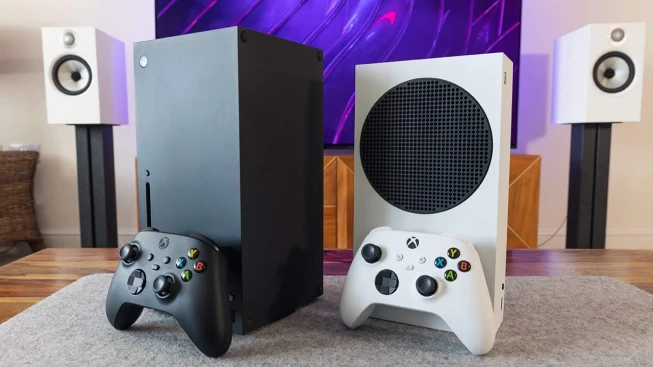
Recent US sales figures show the scale of the problem, as both XBOX and PlayStation suffered big falls.
According to industry analyst Matt Piscatella, Circana’s US retail tracking data showed XBOX hardware unit sales were down 33% year over year through August 2026. PlayStation hardware unit sales also fell by 25% over the same period, leaving XBOX at its lowest recorded US hardware sales level and PlayStation at its lowest point since 2013.
Several factors are driving the situation, including the artificial intelligence boom, rising pressure on memory and component supplies, and the broader economic environment. These challenges make it more expensive to build hardware and can limit the number of devices companies can produce.
What’s happening now has been compared to the struggles of the video game industry in the early 1980s, when the market crashed and then bounced back. That history doesn’t necessarily mean the industry is heading for another crash, but it does illustrate how quickly market conditions can shift.
The market for premium handheld systems can go for as much as around $2,000, so high-end gaming devices are likely to continue to find buyers. But those products cater to a smaller niche and don't address the problem of making gaming hardware accessible to the majority of players.
XBOX and PlayStation will need to rethink their approach to the next generation if they want to keep their current audiences.
If prices rise beyond what many consumers are willing to pay, the PlayStation 6 and Microsoft’s Project Helix could sell fewer units than their predecessors. Another approach is to introduce cheaper hardware instead of only focusing on the most powerful systems. While consoles in the $500 to $600 price range could make the next generation more accessible, manufacturing costs and other market conditions will determine if this strategy is a viable approach.
Cloud gaming is another area that may become more important as companies search for alternatives to traditional hardware. XBOX has increased its free-to-play offerings and changed up its cloud gaming offerings, including usage caps and subscription levels. Cloud gaming is more flexible, but it’s not for everyone—especially those who like to download games and play them directly on their hardware.
Microsoft’s plans for Project Helix may provide clues as to how XBOX will address these challenges. Even a standard Helix console with a cheaper Helix S could give consumers more choices depending on their budgets. Another route is to let original equipment manufacturers develop their own XBOX -compatible devices, if they satisfy Microsoft’s requirements and get approval.
But whatever route Microsoft takes, the rising cost of hardware makes it difficult to delay the next generation without causing more problems for the current market.
The XBOX Series X and Series S will be improved through the 2030s, so Microsoft will be able to support its current hardware while standardizing what’s next. If technologies such as FSR 4.1 become available for XBOX consoles, that could also improve performance. Artificial intelligence is another big area of interest for Microsoft and XBOX, and its increasing role could influence hardware, game development, and gaming experiences in the future.
At the end of the day, XBOX has to solve two big problems at the same time: keeping its biggest franchises alive and giving new ideas space to grow, and figuring out how to make gaming hardware more affordable as prices go up. How well Microsoft handles these priorities will determine whether XBOX can remain competitive while attracting both longtime fans and players looking for more affordable ways to enjoy its games.
Established properties like Fallout, Gears of War, and World of Warcraft can help the company retain its audience, but it will have to create original games to keep its lineup fresh. Cheaper hardware, cloud gaming, and other device options may help XBOX tap into players who might otherwise skip the next generation altogether.
Editor, NoobFeed
Related News
No Data.