
Windows 11 APX Toggle Requires Intel Nova Lake CPUs for Better Performance
Intel Nova Lake is expected to introduce APX support, leaving existing consumer processors unable to benefit from the extension.
Hardware by Tanvir Kabbo on Oct 26, 2026
Microsoft is preparing Windows 11 for a major CPU optimization change. The Windows 11 Insider Build 29695 is believed to feature a new Advanced Performance Extensions (APX) setting that should improve performance in supported apps. But there's a big caveat: you can't use it with currently available consumer processors, even if the option shows in Windows settings.
The discovery points to Intel's upcoming Nova Lake processors, which are expected to introduce APX support to consumer hardware. Existing Alder Lake, Raptor Lake, Meteor Lake, Lunar Lake, and Arrow Lake CPUs are excluded, while Panther Lake is also not expected to support the extension.
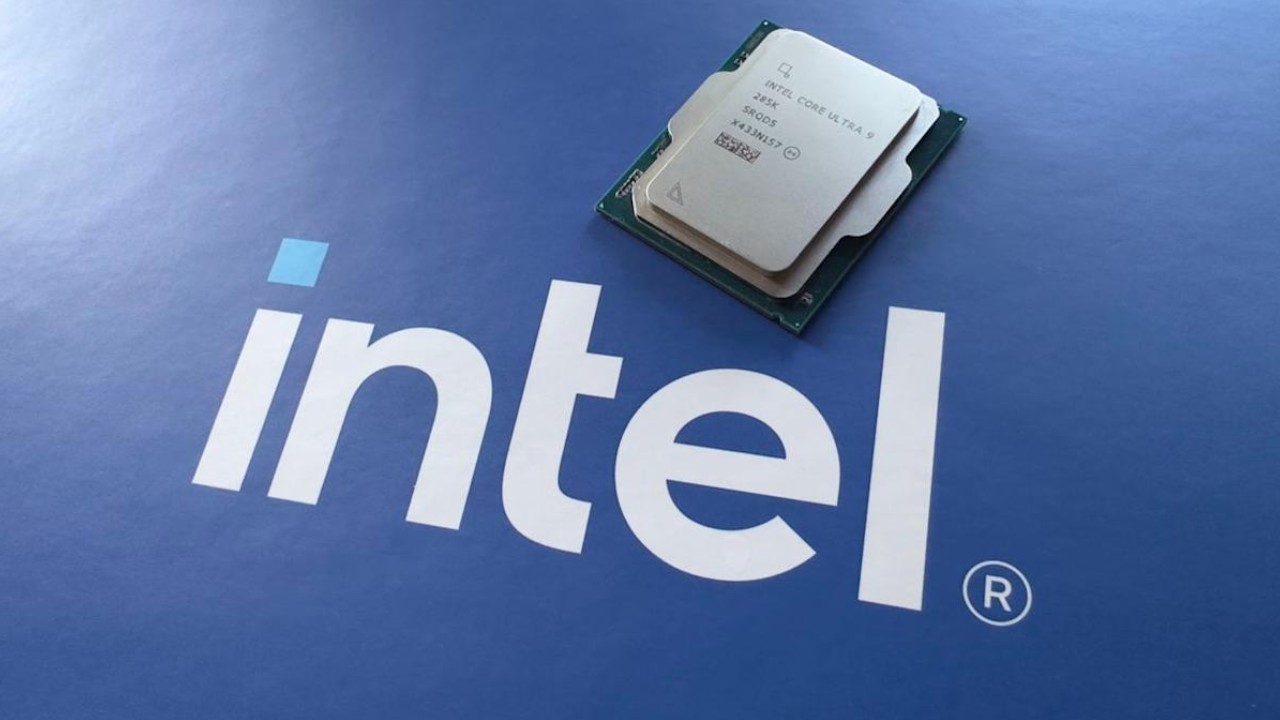
For hardware enthusiasts, this is more than another Windows performance setting. APX represents an architectural change designed to help compilers generate more efficient machine code. Its final impact will depend on compatible CPUs, software support, and whether apps can exploit the additional hardware resources for visible performance gains.
Under The Hood: How APX Boosts CPU Efficiency
Intel's Advanced Performance Extensions (APX) increase the number of general-purpose registers from 16 to 32, expanding the x86-64 instruction set. These registers provide fast storage for values the CPU needs during instruction execution, such as pointers, counters, and intermediate computation results.
The compiler may be forced to push temporary values to memory and pull them back later when optimized code runs out of registers. Such activities, typically called register spillage, add instructions and can increase execution overhead.
APX lets compilers save values used frequently inside the processor. The expansion can improve performance for workloads that can use more registers by avoiding needless memory accesses and streamlining instruction sequences.
Intel's architecture predictions suggest APX might lower compiled instruction counts by roughly 10% in the right situations. But fewer instructions don't necessarily translate into 10% more performance. Actual results will vary depending on workload characteristics, compiler optimization, and how register-intensive an application is.
Software Must Support the Extension
APX is not a general performance booster that Windows can switch on for all apps. Compatible compiler toolchains and binaries targeting the extension will be required for developers. In most circumstances, you don't need to modify the source code; the compiler will allocate registers and emit the right instructions.
This distinction explains why Microsoft's reported toggle matters without immediately benefiting existing systems. Windows can prepare the operating-system environment, but applications must be compiled appropriately, and the processor must implement the required instructions.
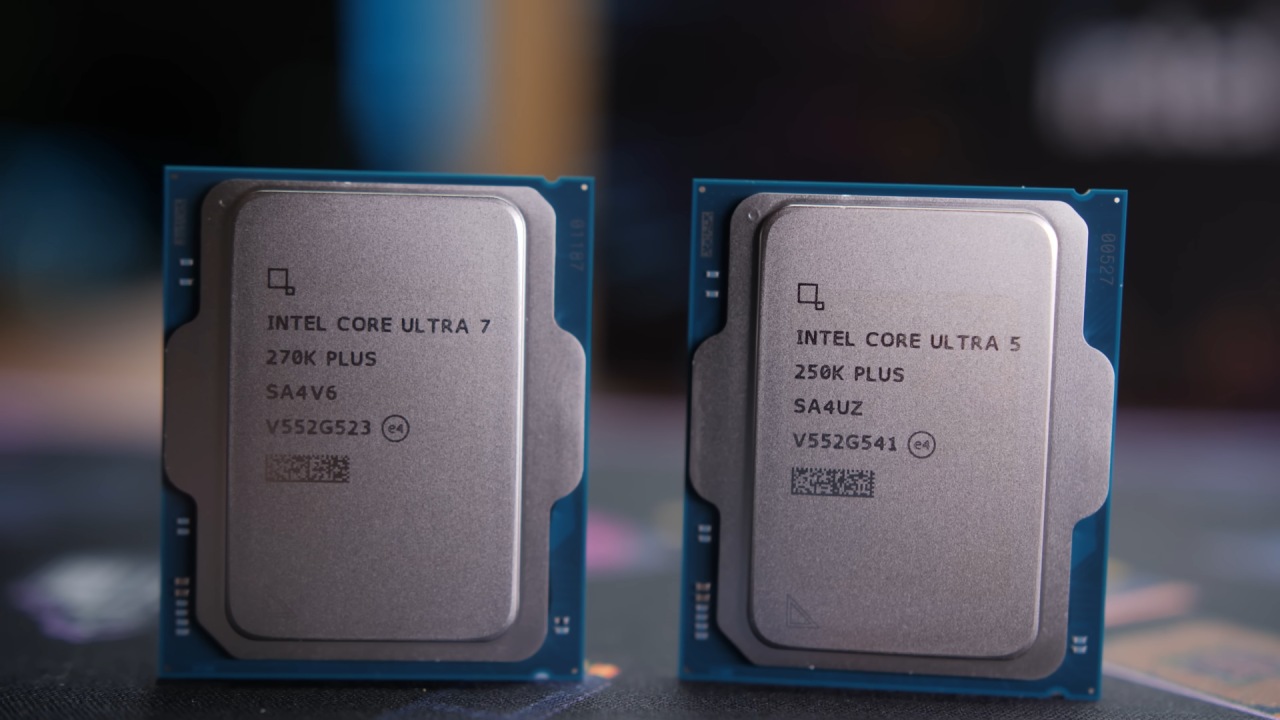
Nova Lake Introduces the Hardware Requirement
The reported Windows 11 toggle does not add missing architectural capabilities to existing processors. Intel's Alder Lake, Raptor Lake, Meteor Lake, Lunar Lake, Arrow Lake, and even Panther Lake families are not expected to support APX.
Enabling the setting on these systems therefore cannot deliver APX-specific improvements. The CPU must include the necessary registers and instruction support, making this a hardware requirement rather than a software-only upgrade.
Intel's upcoming Nova Lake family is expected to be the first consumer generation to support APX. Until compatible processors arrive, view the toggle as preparation for future hardware rather than a practical optimization for current PC owners.
The early appearance of the setting also allows Microsoft and developers to prepare software ahead of new processors. Nevertheless, an Insider build does not guarantee that the feature will reach the public Windows release in its current form.
AMD Could Help Make APX an x86 Standard
APX could become more influential if AMD adopts the extension in future Ryzen processors. Intel and AMD have been working toward more cooperation across the x86 ecosystem, and AMD has addressed APX, so broader adoption is possible. But there's still no word on future Ryzen support or exact launch dates.
Broader acceptance across vendors would give developers more reason to optimize apps for APX. This could help performance-sensitive programs such as game engines, office software, and more. The extension is common to both compatible Intel and AMD CPUs.
Senior Editor, NoobFeed
Gaming Hardware Updates
No Data.