
AMD FSR 4.1 Delivers Better Upscaling for Radeon RX 6000 GPUs
AMD FSR 4.1 brings advanced AI upscaling to Radeon RX 6000 GPUs, delivering sharper visuals and improved 1440p gaming quality.
Hardware by Tanvir Kabbo on Oct 26, 2026
AMD has officially launched FSR 4.1 upscaling for RDNA 2 graphics cards, including the Radeon RX 6000 series, with the current version 26.10.1 driver release. The update comes well ahead of the predicted 2027 timeline and also brings support for a handful of RDNA 3.5 APUs used in portable and laptop devices. FSR 4.1 is a major upgrade for older Radeon GPUs, delivering far greater image quality and detail reconstruction.
AMD Optimizes FSR 4.1 for RDNA 2
AMD has tuned the FSR 4.1 model specifically for RDNA 2 GPUs. Unlike RDNA 4, which supports full FP8, RDNA 2 and RDNA 3 architectures lack FP8 hardware acceleration and use the INT8 version instead. AMD has also included further enhancements to support the older architecture.
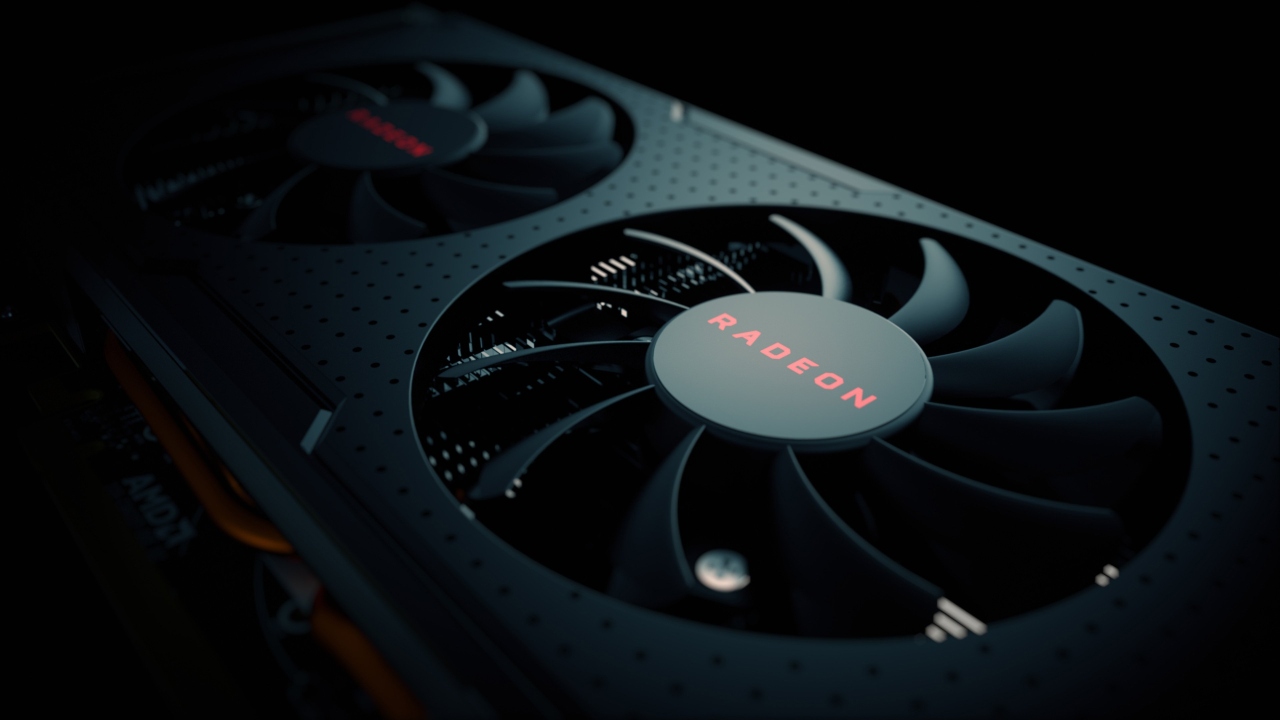
A smaller, independent FSR 4.1 variant also exists for several RDNA 3.5 APUs, notably the hardware used in gaming handhelds. But the image quality can differ from the default INT8 implementation.
FSR 4.1 Performance Across Modern Games
In performance tests of Cyberpunk 2077, Mafia: The Old Country, and Horizon Zero Dawn Remastered, FSR 4.1 adds more processing overhead than FSR 3.1.
At 4K, Cyberpunk 2077 sees the Radeon RX 6950 XT get 72% faster with FSR 4.1 quality mode, 99% with balanced mode, and 137% with performance mode. These gains aren't as high as full FP8 on RDNA 4, but they're still significant, especially since native performance is about 20 fps.
Mafia: The Old Country had similar outcomes. FSR 4.1 gives an 85% performance increase on the RX 6950 XT in performance mode, taking the frame rate from 38 fps to 70 fps. However, in some configurations, FSR 3.1 is still faster.
Upscaling is less useful in Horizon Zero Dawn Remastered because the base framerate is higher and the situation is more difficult. With RDNA 2, FSR 4.1 yields rather little increase, with quality mode boosting performance by about 10%. The results show that FSR 4.1 is less efficient on RDNA 2 than FSR 3.1, but in most cases the image quality benefits are worth the performance trade-off.
FSR 4.1 Delivers Dramatically Better Image Quality
The biggest upgrade comes at 1440p, a resolution that matters most for Radeon RX 6000 owners. FSR 4.1 yields visibly clearer visuals, cleaner foliage, steadier motion, and superior fine-detail reconstruction than FSR 3.1.
FSR 3.1 tends to add blur and optical artifacts, especially in motion. FSR 4.1 greatly minimizes these issues while improving hair rendering, disocclusion handling, and overall image stability. Ghosting still occurs occasionally, but the improvement is huge. FSR 4.1 performance mode might seem better than FSR 3.1 quality mode. So gamers may aim for the same performance levels and still have better visual quality.
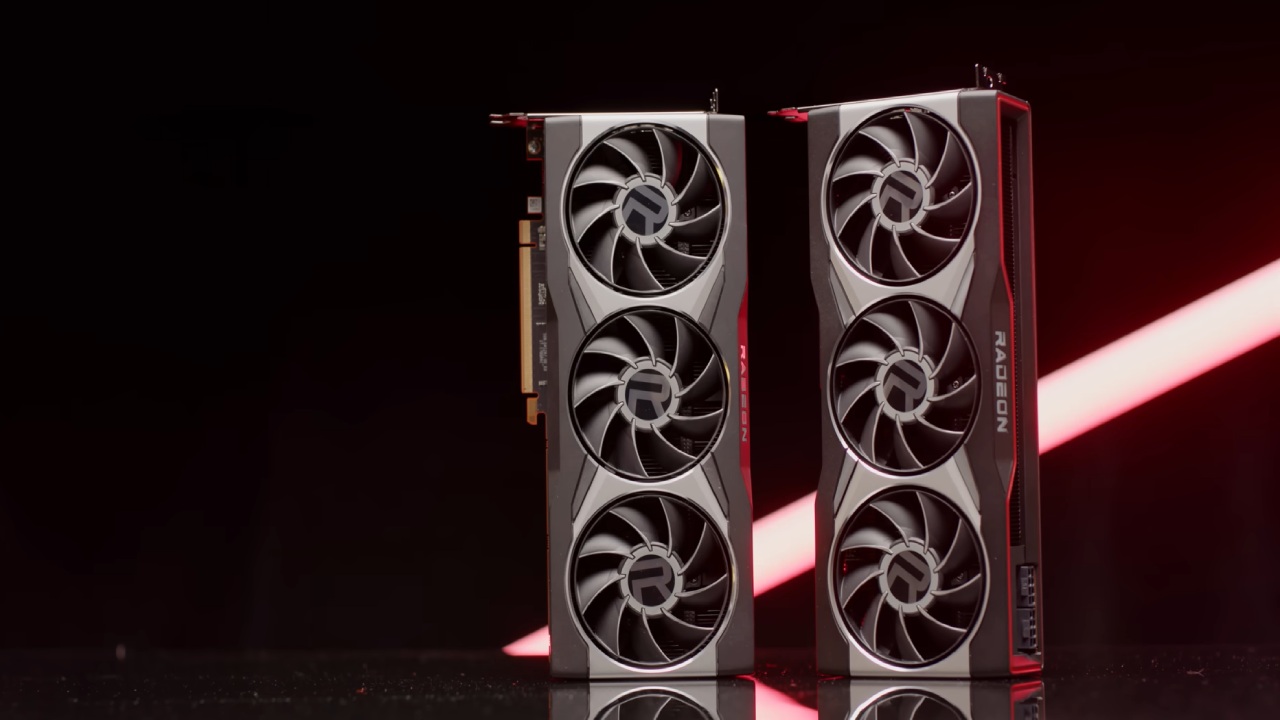
RDNA 2 Image Quality Nearly Matches RDNA 4
AMD's optimized INT8 model works great against the full FP8 implementation. In most settings we evaluated, FSR 4.1 INT8 looks nearly identical to FSR 4.1 FP8, with changes limited to a few edge cases that affect fine details or temporal stability. This shows AMD can make its powerful upscaling technology work on older hardware without sacrificing much image quality.
A Major Upgrade That Arrived Too Late
FSR 4.1 is a huge win for Radeon RX 6000 owners, extending the life of graphics cards approaching six years old. It isn't without a processing cost, but the image-quality gains make it the preferred solution in most gaming scenarios over FSR 3.1.
AMD's late support, however, is still disappointing. RTX 30-series owners (since 2021) have enjoyed ever-improving DLSS technology for years, while Radeon customers have waited for similar upscaling upgrades. FSR 4.1 finally changes the upscaling game on RDNA 2 GPUs. AMD did a great technical job, but a little more aggressive support for its existing client base would have made this release even more amazing.
Senior Editor, NoobFeed
Gaming Hardware Updates
No Data.