
Intel Targets AMD EPYC With Nova Lake 18A-P and Coral Rapids 14A CPUs
Intel's upcoming processor roadmap signals an aggressive attempt to reclaim desktop and server CPU leadership from AMD.
Hardware by Masaru Hoshino on Oct 31, 2026
Intel is planning a bold return against AMD, and CEO Lip-Bu Tan is no longer shy about where the company has to beef up. During the Q3 2026 earnings call, Tan publicly admitted the company's ongoing struggles in the high-end desktop market, but outlined an aggressive roadmap centered on Nova Lake and Coral Rapids. The strategy hits two key battlegrounds: enthusiast desktop processors and enterprise-grade server CPUs.
For PC builders, Nova Lake gives Intel a chance to take on AMD's ever-dominant Ryzen X3D chips. Meanwhile, Coral Rapids, due in 2028, might mark a crucial inflection point for Intel's data center ambitions. Both architectures also point to Intel's reliance on next-generation manufacturing technology to reclaim its competitive position.
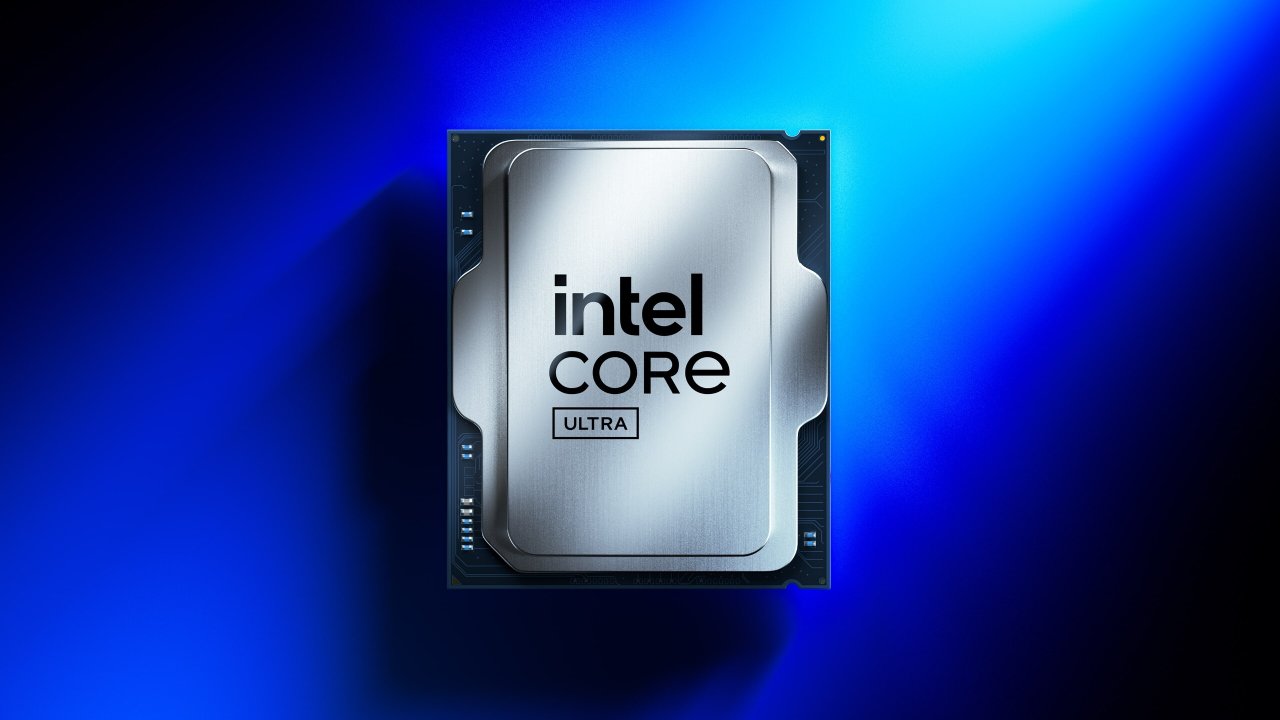
Nova Lake Targets Intel's Missing High-End Desktop Segment
Intel's current desktop approach has left a huge gap for AMD to fill. While the Core Ultra 200S family included architectural and efficiency enhancements, it didn't generate the same enthusiasm among gaming aficionados as AMD's Ryzen X3D portfolio.
Tan admitted the problem on the results call, saying Intel has a hole in its high-end desktop lineup. That's a major concession, given that AMD's X3D chips have carved out a solid niche among buyers who care about gaming performance.
That's where the new Nova Lake architecture comes in, designed to tackle that issue head-on. Nova Lake is based on Intel's 18A-P node and is an opportunity to improve performance, efficiency, and overall competitiveness of Intel's next desktop platform.
But to take on AMD, you need more than just greater clock rates. Intel wants an architecture that balances strong single-threaded performance, competitive multi-core throughput, and consistent gaming outcomes. AMD's extra 3D V-Cache gives it an advantage in games sensitive to memory latency, a particularly hard nut for Intel to crack.
On the development front, there's good news. Nova Lake is running ahead of schedule, and Intel expects the architecture to secure twice as many design wins at launch compared to Panther Lake. That would indicate more interest from hardware makers, but design triumphs shouldn't be instantly equated to actual sales to consumers.
Ultimately, independent benchmarks, platform cost, power consumption, and availability will decide whether Nova Lake can entice enthusiasts to move away from existing Ryzen X3D systems.
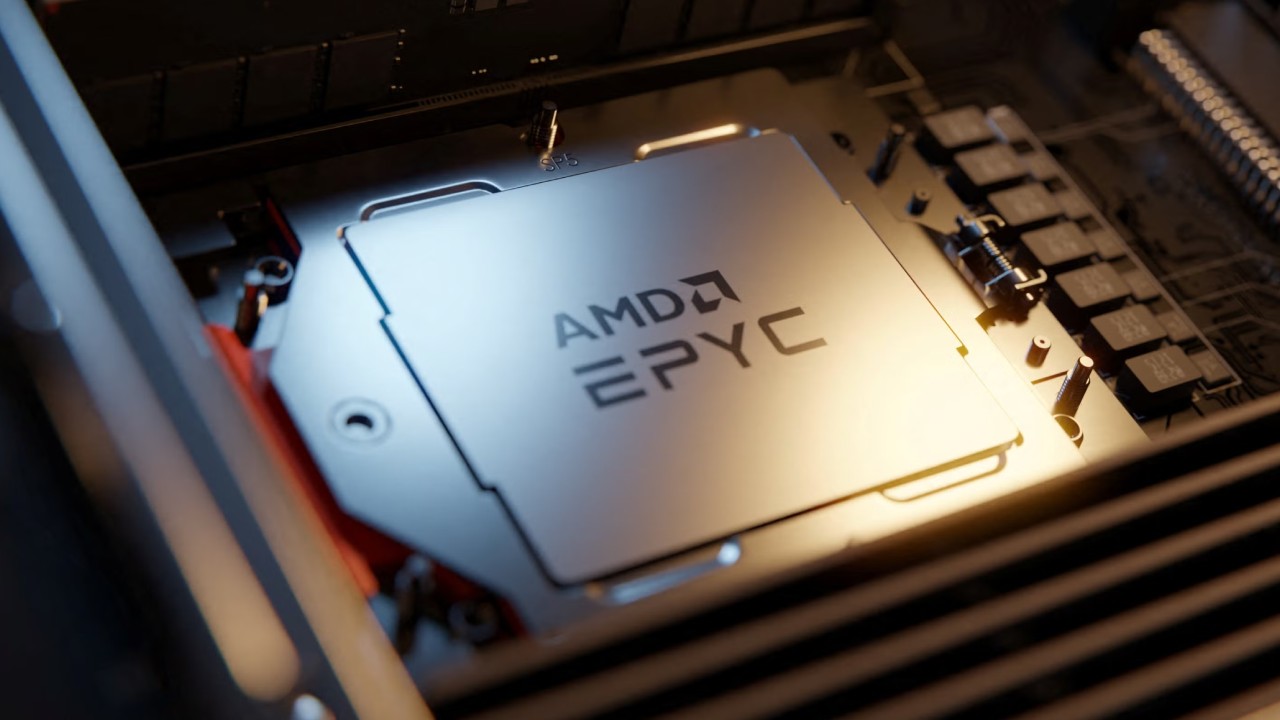
Coral Rapids 14A Targets AMD's EPYC Dominance
More challenging, still, are Intel's server plans. AMD's EPYC processors have found their way into enterprise situations where core density, power efficiency, memory bandwidth, and total cost of ownership matter more than headline clock speeds.
Tan's road map takes him from Diamond Rapids in 2027 to Coral Rapids 14A in 2028. Diamond Rapids is another step toward competitiveness, while Coral Rapids is the generation where Intel claims it will close the performance gap to AMD's EPYC series.
The shift to the 14A node is very critical. Intel requires more performance per watt, better processor density, and better manufacturing efficiency to compete with AMD's EPYC Turin and forthcoming Venice generations. But a more modern process node alone doesn't guarantee leadership. Coral Rapids' competitiveness will depend on microarchitecture, connection technologies, memory support, packaging, and software optimization.
Another sign of a readiness to rethink design decisions was Intel's decision to add Simultaneous Multithreading (SMT) support back in Coral Rapids. "Enterprise customers need efficient processing resources, predictable performance, and strong throughput to run demanding workloads.
So the 2028 aim is a huge milestone. Intel doesn't have to win every benchmark out of the box, but it does have to give enterprise clients a reason to evaluate AMD EPYC with a Xeon platform that is actually worth something.
Agentic PCs Could Reshape Desktop Computing
Tan also pointed to the growing importance of local artificial intelligence workloads, forecasting a future centered on what he calls agentic boxes. AI agents could demand computers to juggle numerous jobs at once, evaluate contextual data, and perform increasingly complicated operations without necessarily depending on remote cloud infrastructure.
That's another opportunity for Nova Lake. Future desktop processors will also need strong integrated graphics and specialized AI acceleration, plus the ability to power intensive local AI tasks alongside gaming and traditional productivity.
But powerful hardware won't build this market. Before consumers and organizations buy increasingly powerful local computing devices, software developers need to add real utility to their apps.
Editor, NoobFeed
Gaming Hardware Updates
No Data.