
AMD Ryzen 7 7700X3D Leaks: $299 8-Core 3D V-Cache CPU Targets Budget Gaming Builds
AMD positions the Ryzen 7 7700X3D as a lower-cost gateway into high-end 3D V-Cache gaming performance.
Hardware by Masaru Hoshino on May 22, 2026
AMD is once again circling the sweet spot of mainstream gaming performance with renewed precision. According to leaks from hardware leaker chi11eddog (via Wccftech), the company is preparing a new entry in its 3D V-Cache lineup: the Ryzen 7 7700X3D.
Positioned just below the widely praised Ryzen 7 7800X3D, this upcoming chip could become one of the most important AM5 releases for budget-conscious gamers who still want elite-level frame rates without paying flagship pricing.
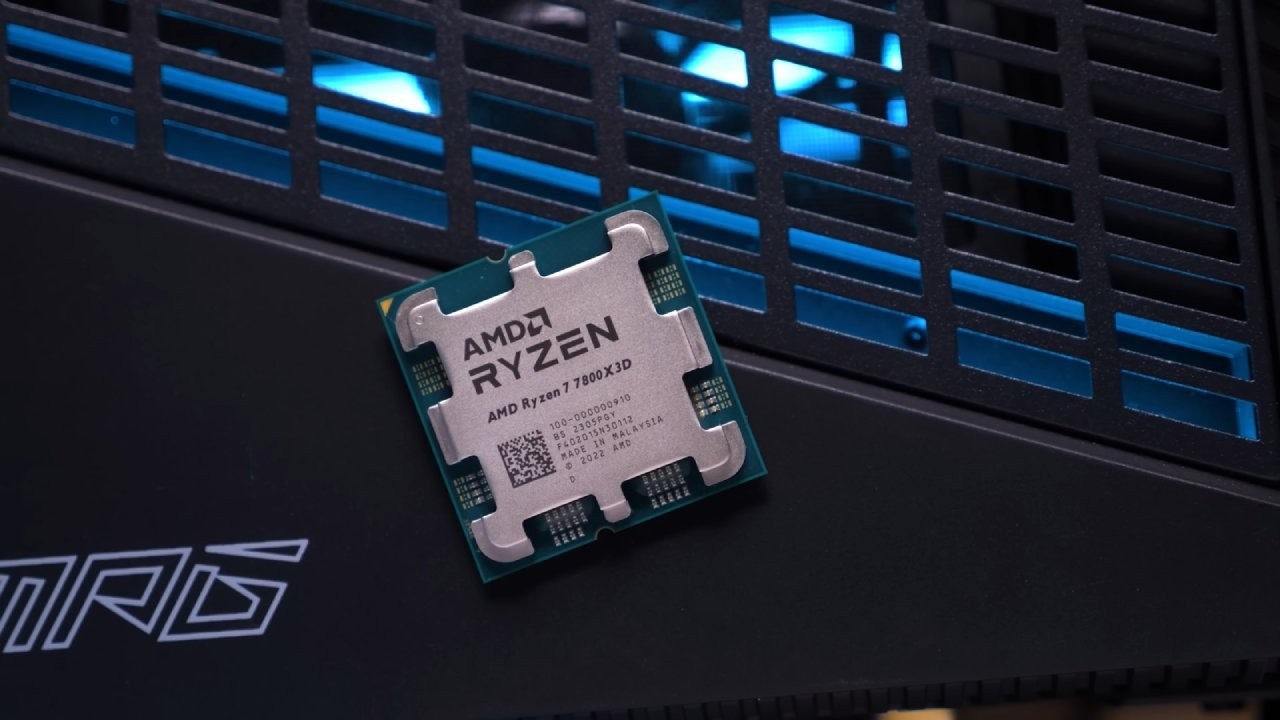
For a platform that has already proven its gaming dominance through stacked L3 cache design, this move signals something more strategic: AMD is no longer just selling peak performance, but segmenting that performance for broader adoption.
7800X3D Benchmark Problem: Why AMD Needs a Cheaper Entry
The Ryzen 7 7800X3D has effectively set the upper limit for gaming CPUs on the AM5 platform. Its combination of Zen 4 efficiency and massive 3D V-Cache has made it a consistent top performer in CPU-bound gaming scenarios, especially at 1080p, where frame rates scale directly with cache efficiency.
However, its price has remained a sticking point for many mid-range builders. While still excellent value compared to high-core-count alternatives, it sits just high enough above mainstream budgets that many gamers either stretch finances or drop down to non-X3D chips entirely.
This is exactly where the Ryzen 7 7700X3D enters the picture. AMD appears to be building a "second-tier" X3D option that preserves the core gaming advantage while trimming frequency headroom to reach a far more accessible price bracket.
Ryzen 7 7700X3D vs. 7800X3D: Cache First, Clock Second
On paper, the Ryzen 7 7700X3D is not trying to reinvent the formula. It stays firmly rooted in Zen 4 architecture, retaining the same 8-core, 16-thread configuration that has already proven optimal for gaming workloads.
What remains unchanged is the most important part: 96 MB L3 Cache (32 MB on-die CCD + 64 MB stacked 3D V-Cache). This is the real performance driver in modern gaming, reducing memory latency bottlenecks and dramatically improving 1% lows in CPU-heavy titles.
Where AMD is clearly making its compromise is in frequency tuning. The chip is expected to land at a 4.0 GHz base clock and 4.5 GHz boost clock, down from the 7800X3D's 4.2 GHz base and 5.0 GHz boost.
On paper, that looks like a meaningful cut. In practice, it is far less dramatic for gaming workloads. X3D chips rarely scale linearly with clock speed in real-world scenarios because the massive cache reduces the CPU's dependency on raw frequency. Early expectations suggest the difference may translate to roughly a ~5% performance gap in gaming, a trade-off many gamers would accept instantly if the pricing lands correctly.
That pricing is where things get aggressive. The Ryzen 7 7700X3D is expected to sit in the $299-$349 range, placing it significantly below the 7800X3D while still delivering most of the 7800X3D's gaming performance.
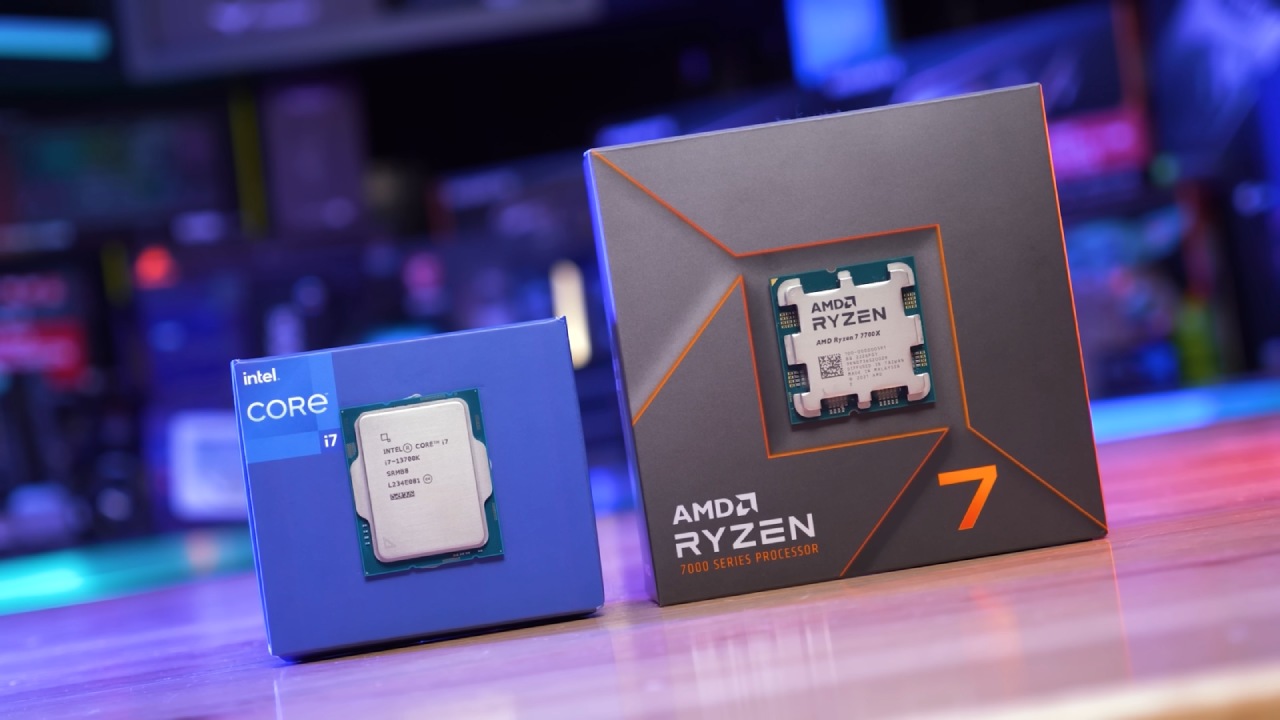
The Intel Counterplay: Targeting Core Ultra 7 270K Plus
AMD's positioning here is not accidental. The Ryzen 7 7700X3D appears aimed directly at Intel's upper mid-range desktop stack, particularly chips like the Core Ultra 7 270K Plus, which rely on greater core diversity and hybrid-architecture scaling rather than gaming-optimized cache strategies.
Where Intel maintains an advantage is in multi-threaded productivity workloads and some heavily parallelized applications. However, in pure gaming performance—especially at 1080p and 1440p—the X3D lineup continues to define the efficiency ceiling.
AMD's strategy with the 7700X3D is clear: sacrifice a small portion of peak boost frequency to undercut Intel on price while maintaining a dominant gaming narrative. It is less about beating Intel on every workload and more about ensuring gamers don't have to overspend for top-tier frame pacing.
In a market increasingly shaped by GPU bottlenecks and rising platform costs, such targeted positioning matters more than ever.
From a PC builder's perspective, the Ryzen 7 7700X3D is shaping up to be one of AMD's most strategically important chips of the AM5 generation.
If the final price lands closer to $299, it could instantly become the default recommendation for high-performance gaming builds within a mid-range budget.
However, the key question is timing. The Ryzen 7 7800X3D is already a proven, widely available option with stable pricing and known performance characteristics. If it continues to see discounts, it remains the safer purchase today, especially for builders who don't want to wait for retail rollout uncertainty.
The 7700X3D, on the other hand, is the smarter "wait and see" option for new builders entering the AM5 platform from scratch. It delivers nearly identical gaming behavior, the same 96 MB L3 Cache advantage that defines X3D chips, and only a modest reduction in boost frequency down to 4.5 GHz Boost, all while targeting a much more accessible price bracket of $299-$349.
Ultimately, AMD is not trying to replace the 7800X3D here. It is trying to normalize X3D gaming performance at a lower entry cost. If executed correctly, the 7700X3D could become the most important value gaming CPU of the year, especially for players who care more about frame pacing than synthetic benchmark dominance.
Editor, NoobFeed
Gaming Hardware Updates
No Data.