
XBOX's Next Console Could Cost Up to $1,800 as Microsoft Plans Major Changes
With rising hardware costs, subscription changes, studio layoffs, and reports of a possible sale, Microsoft's gaming division appears to be heading toward a completely unique future.
News by Tahmid Mahi on Oct 30, 2026
Microsoft’s XBOX division is undergoing another big change as CEO Asha Sharma tries to remake the business and improve its financial performance. The company’s upcoming Helix console is already causing a stir, although its estimated price tag could put it out of reach for many gamers.
Microsoft has reportedly internally estimated the next-generation hardware to cost between $1,200 and $1,800 unsubsidized. That would make it considerably pricier than current consoles and potentially put it in direct competition with mid-range gaming PCs. This could also make it harder for Microsoft to attract players who are accustomed to buying consoles at significantly lower prices.

The high price is partly connected to Microsoft's plans to combine XBOX and PC gaming into a single platform.
Helix is expected to support both XBOX and PC games, meaning the hardware would need enough processing power to handle a considerably wider range of software. However, the ongoing hardware crisis is making that goal pricier, with little indication that component prices will improve before the console's expected 2028 launch.
Companies such as Amazon are continuing to invest in artificial intelligence infrastructure, and that's also fueling the growing demand for hardware. Reports say Amazon is looking to spend $3 billion a month on server racks for its warehouses. That's quite a lot more purchasing power than something like XBOX.
Microsoft may be a big tech company, but its gaming division can’t compete with Amazon in terms of buying hardware in such large volumes. Furthermore, the computing resources Amazon acquires can generate substantial returns through AWS, while XBOX would have considerably fewer opportunities to make similar investments profitable.
XBOX 's existing hardware situation is also creating additional problems for the company. A decade of relatively weak console sales has reportedly left Microsoft paying more for components than Sony does for comparable hardware, largely because PlayStation purchases parts in much larger quantities.
The situation has become so difficult that XBOX consoles are reportedly experiencing frequent stock shortages. Microsoft has even started encouraging inactive console owners to sell their devices through Best Buy so that other interested customers can purchase them, rather than allowing unused hardware to remain with people who rarely play.
With hardware prices unlikely to fall anytime soon, Microsoft's next major decision will involve whether it can afford to subsidize Helix.
Subsidizing consoles is already a familiar practice across the industry, but the potential financial commitment here would be considerably larger than previous generations. Phil Spencer revealed in 2022 that Microsoft was losing between $100 and $200 on every console sold, but those figures came before several rounds of price increases across the hardware market.
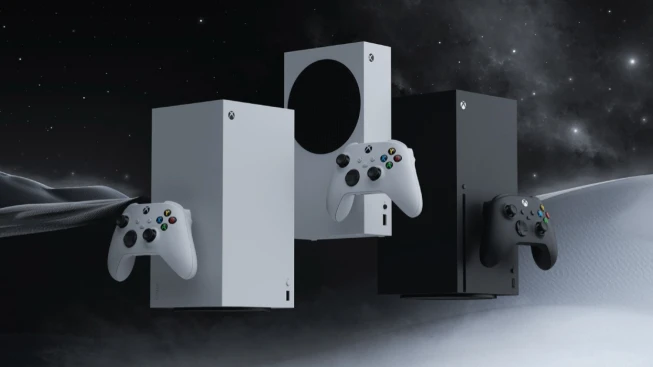
Recovering that money would require Microsoft to generate considerably more revenue from its existing customers. One major part of Sharma's strategy appears to involve changing how Game Pass works, with the subscription service reportedly being rebuilt into an à la carte model. Instead of purchasing one subscription that includes multiple features, you could eventually pay separately for multiplayer access, cloud gaming, and console-exclusive games.
Game sales would also remain important, although the numbers show how difficult that recovery could become. Microsoft generally receives around 30% of the revenue from a $70 game sold through its digital storefront, meaning it would need approximately 38 full-priced game sales to recover an $800 console subsidy.
Under Spencer's previous model, recovering a subsidy of $100 to $200 required considerably fewer purchases, with approximately five to ten games being enough. That makes Microsoft’s next hardware strategy a much bigger financial gamble, particularly considering how much money players are already spending on games and subscriptions.
Sharma is also introducing stricter financial expectations for Microsoft's internal studios. Brian Fargo, who leads inXile Entertainment, the team developing Clockwork Revolution, reportedly explained that studios must now present a clear commercial business case instead of expecting funding without strict financial justification.
This is a big change from how XBOX has been doing things and has been largely predicated on the assumption that Game Pass will continue to grow very quickly. That early growth helped underpin the company’s wider financial structure, but the model was eventually difficult to sustain.
Under the old system, some studios could create games that didn’t have to be massive commercial hits because putting them out helped make Game Pass more appealing.
But Microsoft's current strategy seems to require every project to prove its financial worth. Sharma is working to improve XBOX’s profit margin, which Microsoft measures and has pegged at around 3%. The situation is even more difficult for XBOX from a financial point of view, as the other console makers are enjoying margins three to ten times higher.
The company is already taking significant steps to reduce its operating costs, including another major round of workforce reductions. Sharma has reportedly cut 1,868 positions out of a planned 3,200 layoffs, with the remaining reductions expected over the next year. October, November, and January are considered key times for changes to come, with the October round expected to happen around the time of Microsoft’s earnings report on October 28.
Depending on how Modern Warfare 4 performs, November could be another challenge. There’s a lot of excitement around the upcoming release, especially regarding its campaign, but the franchise has to recover after the disappointment of its last outing. Its November 19 release period also puts it in competition with GTA 6, meaning both games will be fighting for the same consumer spending.
Playground Games, which is currently working on Fable, may face further uncertainty in January. But the layoffs do not mean that every employee affected will leave Microsoft’s gaming division for good. There are already stories of an employee who was let go but later got an opportunity to remain in the organization.
Beyond the traditional console, Microsoft is reportedly developing Helix as an entire family of gaming devices.
The first expected addition is a next-generation handheld scheduled to arrive during the holiday season of 2027, giving players access to the new ecosystem before the full-sized console launches. But development has reportedly been marred by arguments between XBOX and Windows teams over who should have control of the OS on the handheld.
The disagreement reportedly became serious enough that a senior XBOX executive threatened to cancel the handheld project rather than adopt the Windows build proposed by the other team. Reports suggest that XBOX has since gained greater control over the operating system's development, although Sharma has emphasized that both groups must continue working together.
XBOX CTO Scott Van Vliet also pushed back against the reporting, saying it misrepresented the technical work and relationship between the teams. "Both groups are working very closely together to build the operating system of Helix, using Windows," he said. So Microsoft’s wider strategy appears to be an expensive hybrid console, a Windows-powered handheld and a retooled Game Pass subscription service. Cloud gaming will also continue to be part of the company strategy, so owners of existing XBOX One, Series S, and Series X consoles can keep playing games without buying the next-gen hardware.
Meanwhile, TV and film adaptations will help keep the brand visible outside the traditional gaming market. But Microsoft’s rumored talks with Netflix could complicate those plans after Sharma allegedly asked for $800 million for seven years of exclusive rights to adapt, despite Netflix initially offering $500 million.
There are also growing concerns about the long-term position of XBOX inside Microsoft.
Several current and former employees reportedly believe the gaming division could eventually be sold, separated into an independent company, attract outside investment, or become a subsidiary. Some employees say a top-level presentation after Sharma's appointment explored such possibilities, though Microsoft and Sharma have denied that XBOX is currently for sale.
The sale possibility has gained more attention after reports earlier this year that private equity firms were in talks to buy XBOX. Those discussions were reportedly never finalized with an agreement, but the deal would have been valued between $100 billion and $150 billion. Microsoft had already spent $75.4 billion on Activision Blizzard alone.
Microsoft's recent decisions could make XBOX cheaper to operate and easier to separate into individual businesses if the company eventually decides to sell parts of the division. The gaming brand is still worth a lot of money, but a reported 3% profit margin makes it less appealing compared to Microsoft’s growing investments in artificial intelligence and cloud computing.
Microsoft is apparently preparing a strategic shift, offering voluntary redundancy packages to a large portion of its global workforce. For XBOX, the coming years could determine whether Sharma can rebuild the business or whether Microsoft eventually decides that its gaming division would be better off operating separately.
Editor, NoobFeed
Related News
No Data.