
Microsoft Offers Voluntary Buyouts To 60000 Staff Across XBOX Divisions
A quarter of the company is eligible, and Sucker Punch, Auroch Digital and Skydance all made cuts on the same day.
News by Adeela Tas on Oct 27, 2026
You probably did not see this one coming. Microsoft has offered a voluntary exit package to roughly 60,000 employees, about a quarter of the workforce. This is the company's latest move to cut costs and keep headcount under control without layoffs. To be clear, the Microsoft buyouts aren't 60,000 layoffs, but the program's size is still hard to wrap your head around.
Layoffs are still expected to follow, and that's been the talk around the company for some time. Microsoft laid out the details in a post on its own website. Amy Coleman, the EVP and Chief People Officer, sent a message to employees on the day of the announcement.
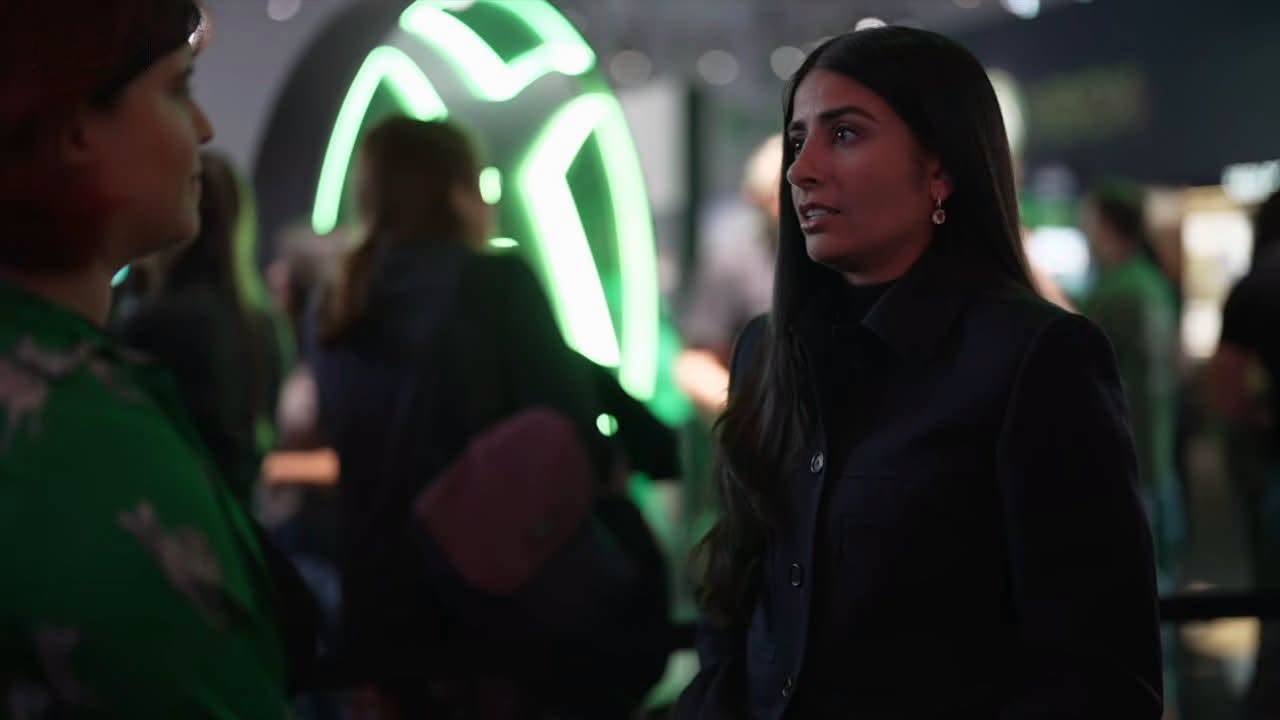
The company is introducing a new voluntary exit offer for eligible employees in participating organizations.
The idea is to give people who may already be thinking about a future outside Microsoft a way to make that move now, with support behind them. She said the Microsoft buyouts also give those organizations another way to adjust their workforce as needs change.
According to Coleman, the approach reflects how the company is rethinking change, with more flexibility and, where possible, more ways for employees to shape their next chapter. She also noted that the voluntary exit offer builds on what Microsoft learned from its voluntary retirement program earlier this year.
The voluntary exit offer is open to eligible employees across several divisions. Insiders familiar with the situation say staff across Microsoft qualify, and the list includes Devices, XBOX, and Finance. For XBOX, this looks like a continuation of the cuts Asha Sharma has been making to the division, now with the Microsoft buyouts adding another route for people to leave.
Some people online have tried to add context. One commenter pointed out that the Microsoft buyouts do not mean the company is targeting 60,000 layoffs, which is a fair correction. The same person said employees who take deals like this are usually closer to retirement, and the payout is the final nudge, or they plan to use the money to take a break or move somewhere else. That is not a safe assumption.
Some workers may want to avoid outright layoffs and see the Microsoft buyouts as the better deal, especially now that the company has openly signaled cuts.
Anyone who turns it down also has to consider the chance of being in the next round of layoffs, which reports say is already in the pipeline. That pressure is behind the Microsoft buyouts. The Microsoft buyouts were not the only cuts that day. Sucker Punch, the studio behind Ghost of Yōtei, also let people go, though on a far smaller scale. A former employee says between 24 and 26 people are out.
The studio's email to staff said that after closely reviewing market challenges and what the team needs for its next project, it decided to reduce staffing and eliminate several positions across the studio. It said the decision was not made lightly, that it has worked hard to support the affected colleagues, and that it knows this is a lot to take in.

The email also admitted there is no getting around how hard the day is, and promised more details about the future the following week. The Sucker Punch layoffs set off a wave of frustration online. One common reaction was that a game can sell well or badly, review well or badly, and layoffs follow either way.
Another person pointed out that Ghost of Yōtei sold 3.3 million copies in its first month, yet the studio still got hit, adding that no studio at Sony feels safe anymore. A third commenter doubted the game did as well as the company claimed, given the cuts that followed. You will see that claim made a lot.
It is hard to say whether Ghost of Yōtei sold as well as Sony hoped.
A launch figure of 3.3 million sounds strong, but the studio may have projected higher numbers than its previous game did, and the results fell short of what it needed. A veteran game developer shared a different view. He pointed out that the Sucker Punch layoffs affect 26 people out of a team of roughly 200 to 230, which is about 10 percent.
Many will see it as more proof that the industry is imploding under greedy corporate owners, but he doesn't. In his words, it is rightsizing, and probably a smart call, because controlling costs and burn rate is a studio's responsibility.
To the argument that the game sold millions of copies, he replied that games cost enormous amounts to make these days, and numbers that look good from the outside can still mean a loss, a break-even, or a miss against projections.
The studio now has to budget the next few years to build a new game. He added that nearly everyone in gaming overhired for years, and that the bubble has burst and will keep bursting for several more years. That fits what the industry has looked like for a while. It was growing at a wild pace, and it was never going to stay there.
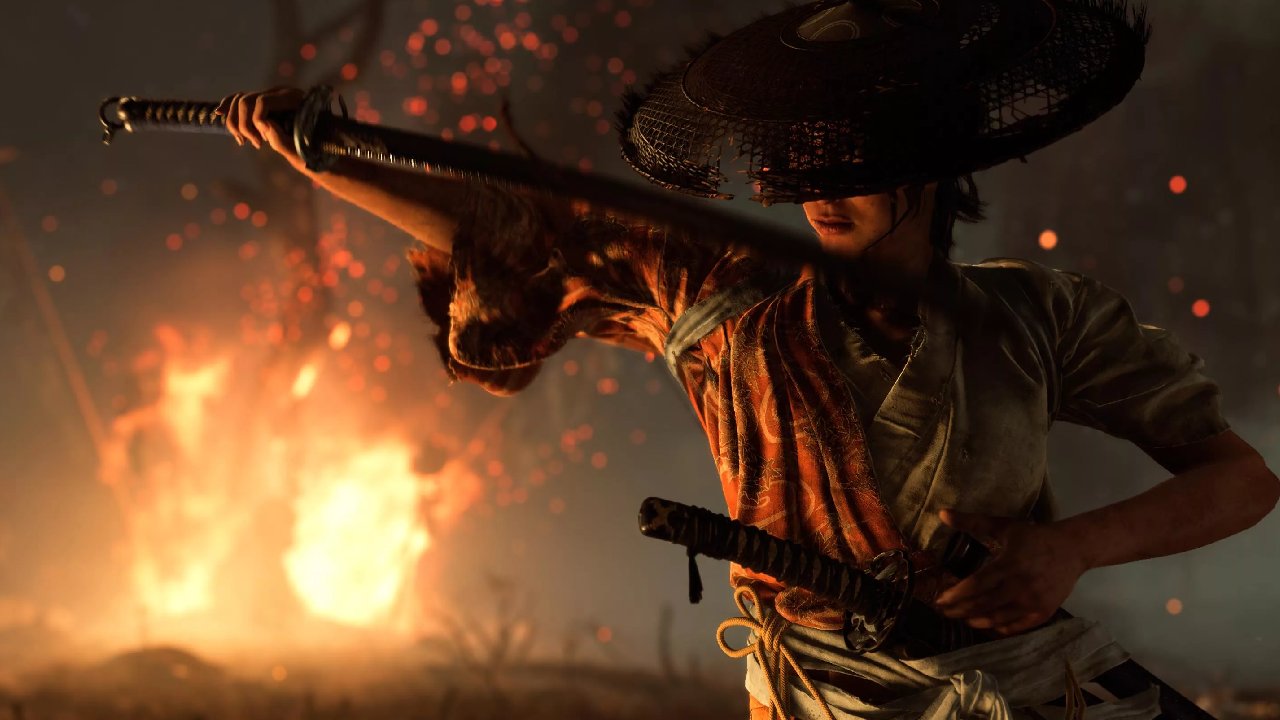
Once you factor in what each developer costs, anywhere from $100,000 to $200,000 per head, the expenses get out of hand quickly.
The Sucker Punch layoffs are one more sign of how tight budgets have become, and the wider run of gaming layoffs shows no sign of stopping. Another round of cuts came from Auroch Digital, the studio behind Warhammer 40,000: Boltgun II and Starship Troopers: Ultimate Bug War. It let go of roughly 25 percent of its staff, adding to a stretch when nearly every company seems to be trimming.
In its message, the studio said its colleagues delivered those two games over the past year. It told players that development and post-launch support for Warhammer Survivors and Boltgun II will continue, and that its path forward will always include making games with the same passion, care, and quality people expect.
Skydance is also offering a voluntary buyout and bringing in a five-day in-office policy at the same time. Its letter to staff said the goal is to build a next-generation media and entertainment company powered by creativity and technology, creative-first, audience-focused, tech-forward, and globally scaled.
In a world of endless choice and fierce competition for attention, the company doesn't just want to succeed. It wants to win, and that doing so takes a strong, connected, and agile company. Among its business and creative priorities, it said, none matters more than building a strong culture.
In practice, the message is simple: you are in the office five days a week, or you take the buyout.
That is how Skydance is reshaping things, and it is a big one to watch. It is striking that all of this landed on October 26. The Microsoft buyouts for 60,000 people arrived alongside the Skydance announcement, the cuts at Sucker Punch, and the cuts at Auroch Digital. BioWare also went through its own round just a few days earlier, when the studio was effectively shuttered.
Taken together, the gaming layoffs and media buyouts point to a rough stretch for everyone. Unfortunately, this does not look like the end of it. Quarterly earnings reports and other notable financial dates are coming up for all of these companies, and those tend to bring more news.
Microsoft's earnings are due at the end of the month, or possibly later this week, so keep an eye out. With the Microsoft buyouts already on the table, XBOX staff in particular are likely to be watched closely, and the XBOX division could see further changes.
Sixty thousand eligible employees is a massive number for Microsoft. Still, it is tough across the board right now, from Ghost of Yōtei's studio to media companies, and the gaming layoffs are not done. Expect more twists this week, and expect the Microsoft buyouts to stay at the center of the story.
Editor, NoobFeed
Related News
No Data.