
ROG Xbox Ally X20 OLED Screen Could Inspire Nintendo Switch 2 Upgrade
Nintendo Switch 2 OLED upgrade faces screen size challenges despite support for 1080p resolution, 120hz refresh rate, and VRR.
Handheld by Nahe Yan on Oct 26, 2026
An OLED screen with 1080p resolution, a 120Hz refresh rate, and VRR could deliver the display upgrade Nintendo Switch 2 users have been waiting for. However, screen size and compatibility with existing accessories remain important factors in deciding whether such an upgrade would work. Could the Xbox Ally X use the OLED screen we have been waiting for all these years?
A 1080p 120hz OLED screen with VRR ticks all the boxes. The only question mark is the 7.4in screen size, which is smaller than the original Switch 2 display. We cannot really release a premium model with a fundamental spec lower than the less expensive option. However, a smaller screen might make the device more compelling, since the Switch 2 is arguably slightly too large.
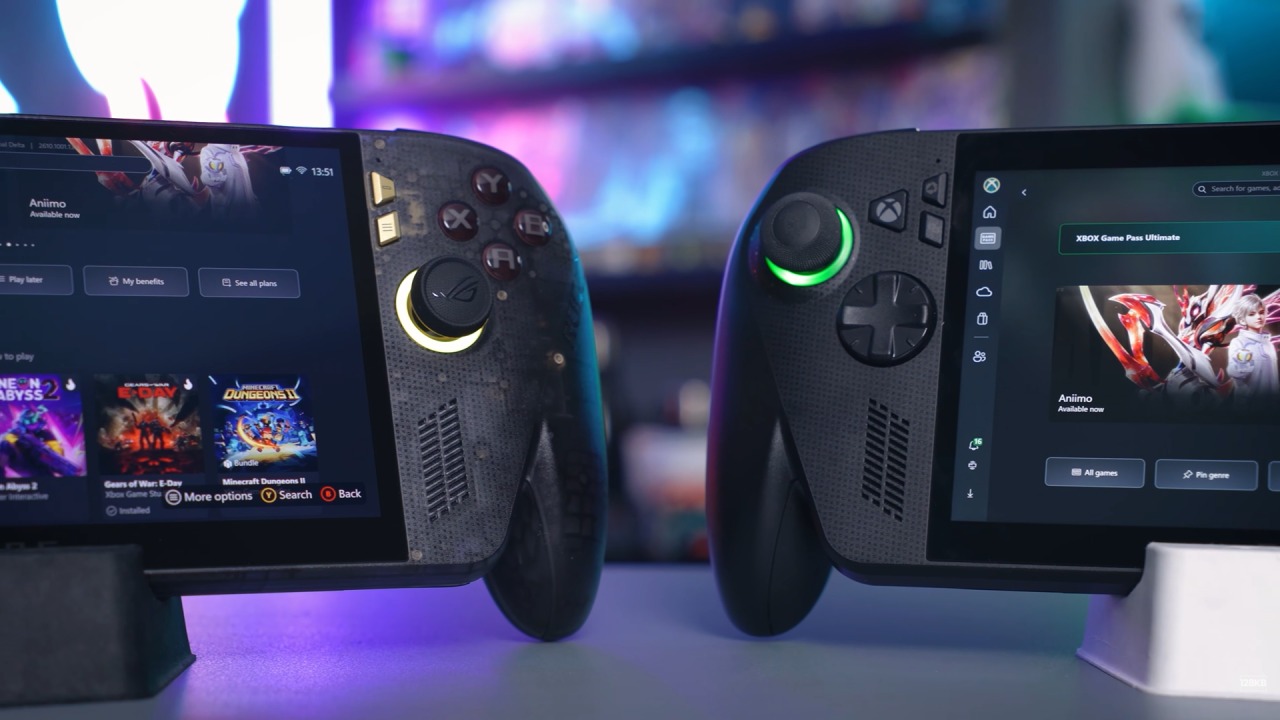
Xbox Ally X Screen Could Inspire a Switch 2 OLED Upgrade
The problem is that Nintendo would want to retain dock compatibility, as it did with the Switch OLED. The same applies to existing accessories. Nintendo can't redesign the body and shrink the system without breaking compatibility with much existing hardware, so it is unlikely to do that.
Simply putting a 7.4in screen in the space designed for a 7.9in screen would also look awkward, leaving large bezels around the display. That is not a good solution. We need a screen with the same specifications, but one that matches the Switch 2's screen size. OneXPlayer 3 already has an 8.8in OLED screen.
The issue is that it uses a 16:10 aspect ratio, which is not quite right for the Switch 2. However, it includes the other features we need, including VRR. We could potentially use that 16:10 screen differently. Since it is OLED, the extra space could stay completely black while showing icons, game chat, and other functions instead of taking up space on the main screen.
We like the idea of a screen that includes a small additional area for these features. However, this approach works best with OLED because the unused space needs to stay completely black. Otherwise, it could become distracting. Depending on how the screen is positioned inside the device, black bars could appear at both the top and bottom.
The layout could be adjusted to use the available space better.
This approach might not work well for the Switch 2. Beyond the screen-size limitations, Nintendo needs to maintain compatibility with its existing controllers and other accessories. We cannot simply reduce the overall unit size without potentially requiring new Joy-Cons. Nintendo would likely want to avoid that.
However, if Nintendo wants a screen with these specifications, it should be possible to find a supplier. We are talking about component orders that could reach millions of units, giving Nintendo the buying power to secure a display made specifically for the Switch 2. The question is not whether Nintendo has enough buying power to secure a custom OLED screen for the Switch 2.
Editor, NoobFeed
Latest Articles
No Data.