
Nintendo’s DLSS Strategy on Switch 2 Raises Questions About Future Hardware
Nintendo’s limited DLSS adoption on Switch 2 raises questions about development priorities, internal technology, and future hardware compatibility.
Handheld by Tanvir Kabbo on Oct 08, 2026
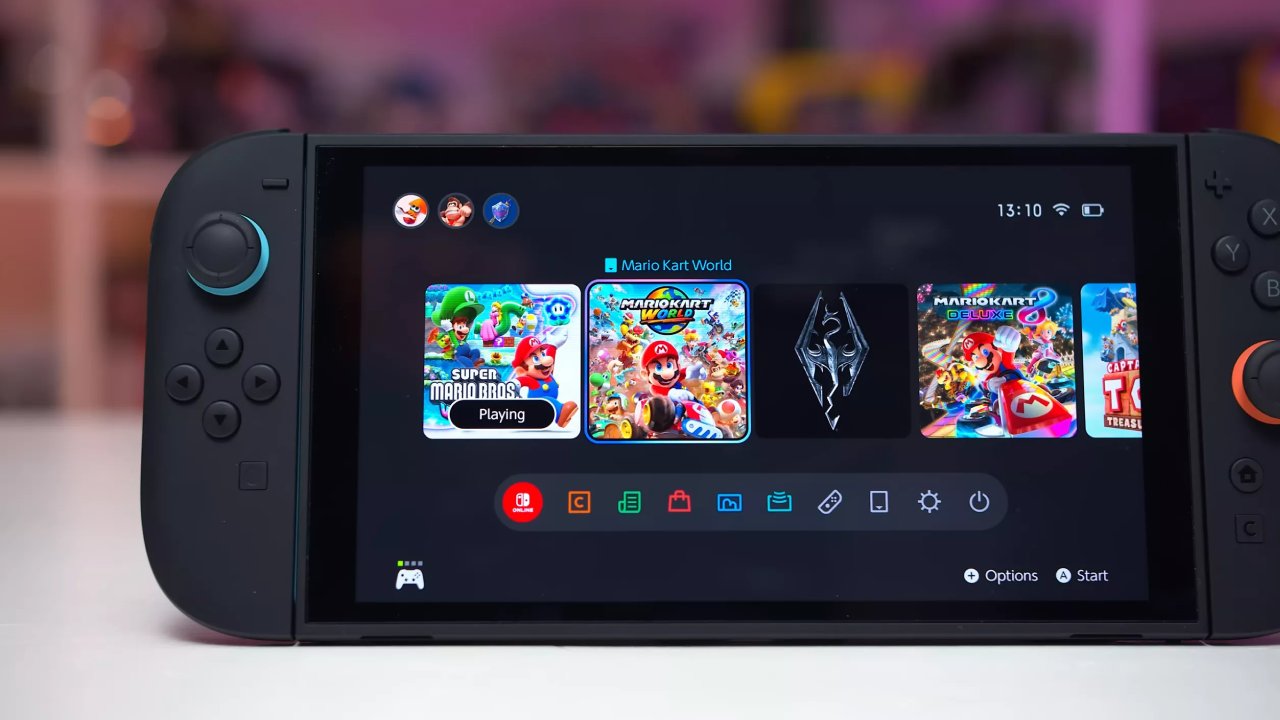
Nintendo's relationship with DLSS on Switch 2 remains unusual. The console supports NVIDIA's upscaling technology, and third-party developers have already embraced it, yet Nintendo's own games have largely avoided using DLSS.
That has naturally raised questions about whether this is a deliberate decision or simply the result of development timelines and Nintendo's existing internal technology.
Nintendo's Strange Avoidance of DLSS
Nintendo seems to have a problem with DLSS, avoiding it like the plague. Switch 2 supports it, and third-party offerings use it, but Nintendo's own games won't touch it. Could it be because they don't want to be locked into NVIDIA tech forevermore?
After all, they've jumped from AMD to NVIDIA before. And then, from that point on, if the new Switch 3 used AMD or another alternative, would third-party games using DLSS have backward-compatibility issues? Or could Nintendo just swap in something like FSR?
It's an interesting theory, but if backward compatibility and DLSS specifically were that much of an issue, it wouldn't even be in the design itself. It wouldn't be part of the system, since supporting Nintendo games for backward compatibility on a future device isn't really going to work.
Having that plan to future-proof for future hardware doesn't seem to work. Especially when they're such solid, robust features that will help the game be better. You could say the same of most of the technologies that go into the game.
If Nintendo were to switch architectures in the future, it'd take a whole lot of re-engineering to get the existing library to run on a Nintendo Switch 3 with AMD, for example.
So the more sensible approach is to make the most of the hardware you have at the time and press forward. But it is odd that there's no use of DLSS in a Nintendo title yet, as far as we're aware. That is strange, especially when third parties are lapping it up. They seem to be going for it every chance they get.

Third-Party Developers Are Embracing DLSS
The closest example we've got is Fire Emblem: Fortune's Weave, which actually uses DLSS. That could be considered a proper Nintendo title, and that's fair. So maybe the tide is changing there, but adoption has been very slow across Nintendo-associated software.
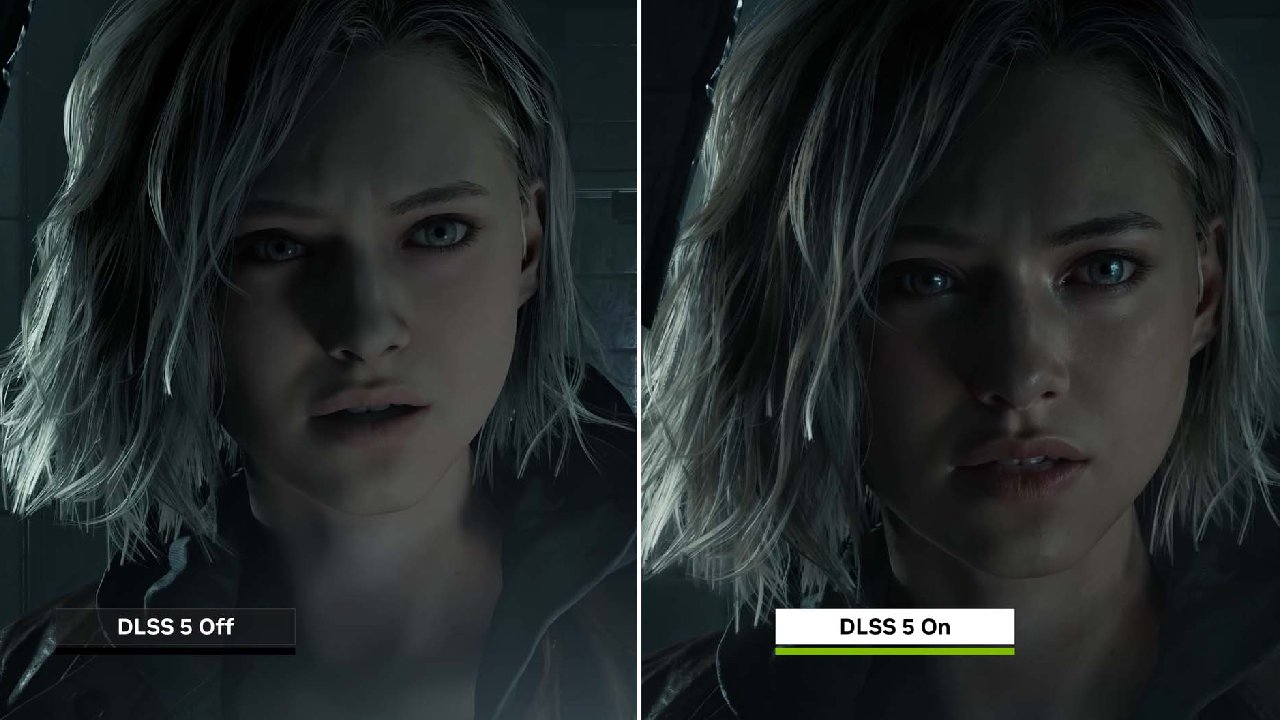
The situation gets even more interesting when you look at games where image quality is already an issue. The Legend of Zelda: Ocarina of Time remake is a particularly obvious example, where you can't help but think DLSS could have solved many of the visual issues.
DLSS would be particularly interesting in that remake. There are some significant image quality issues, especially in the large grassy field and open-plane areas. Sharpening can introduce noticeable artifacts, and an advanced reconstruction solution such as DLSS could have produced a cleaner result.
Internal Technology May Be the Real Reason
Nintendo's approach may simply be that the company has its own internal technology and tools. Nintendo's games were never designed to support TAA, and maybe the firm just didn't undertake all the work necessary to support DLSS in these titles. Some of these games may have been in development for quite a while. We know it can take developers a while after adopting a major new graphics technology to implement it in their games, even if it is just an upscaler.
It took a while for a technology like TAA to fully mature and deploy across the vast majority of console titles. The first major console title that comes to mind using TAA was Halo: Reach back in 2010. Around 2016-2017, most AAA titles used TAA. Before then, adoption was somewhat spottier.
That makes it difficult to argue that Nintendo has a particular objection to DLSS. Development timelines alone could explain much of the current situation. A game in production for several years cannot necessarily adopt every new graphics technology that becomes available during development.
Nintendo's Collaborations Tell a Different Story
Nintendo also doesn't appear to object to DLSS in titles where it collaborates extensively with developers and publishes their games. Pokémon and Fire Emblem are examples, although they aren't necessarily Nintendo-developed games in the traditional sense.
They're titles developed in collaboration with Nintendo to some degree. That's especially true of Fire Emblem, where the external partner handles much of the development. Even so, Nintendo still has the final say on what happens with a new Fire Emblem game.
If Nintendo genuinely didn't want DLSS in those games, it could simply decide not to include it. The fact that DLSS is appearing in Fire Emblem suggests that the company doesn't have a blanket policy against NVIDIA's technology.
NVIDIA Could Remain Nintendo's Partner
The more interesting question is whether Nintendo actually intends to move away from NVIDIA in the future. The current evidence doesn't strongly point in that direction. Nintendo could very well keep going back to NVIDIA for future hardware as long as NVIDIA is willing to keep it as a customer.
There's still some uncertainty about how much interest NVIDIA will have in gaming consoles many years from now, when a potential Switch 3, or whatever Nintendo eventually calls its next platform, arrives. However, there's little reason to assume that Nintendo's current limited use of DLSS means the company is deliberately preparing to abandon NVIDIA.
For now, it makes more sense to view Nintendo's approach as a combination of development timelines, internal technology, and the practical realities of supporting new graphics features. DLSS is already part of the Switch 2 platform, third-party developers are using it, and Nintendo has allowed it to appear in at least some games within its publishing ecosystem.
That makes a deliberate company-wide rejection of DLSS look increasingly unlikely. Rather than avoiding NVIDIA technology because of concerns about future hardware, Nintendo may simply be taking its time with implementation while developers and internal teams adapt to the capabilities of the current hardware.
Senior Editor, NoobFeed
Latest Articles
No Data.