
Why is Nintendo Delaying the Switch 2 Next-Gen 3D Mario Reveal?
The long gap since the last mainline adventure does not mean the series is in trouble, and the Switch 2 has no shortage of games while Nintendo works behind the scenes.
Opinion by Adeela Tas on Sep 11, 2026
The absence of 3D Mario from the latest Nintendo Direct has sparked plenty of frustration, especially after years of waiting for another major 3D adventure. Yet the long silence doesn't necessarily point to development trouble, a lack of interest, or Nintendo deliberately holding back its biggest character.
The more reasonable explanation is that Nintendo is taking the time it needs before showing its next major project. A new game would obviously be a huge system seller. Nintendo could benefit from the sales, awards, attention, and excitement that would come with it. That makes it hard to believe Nintendo would keep a finished game locked away simply because it wants to wait for a larger audience.
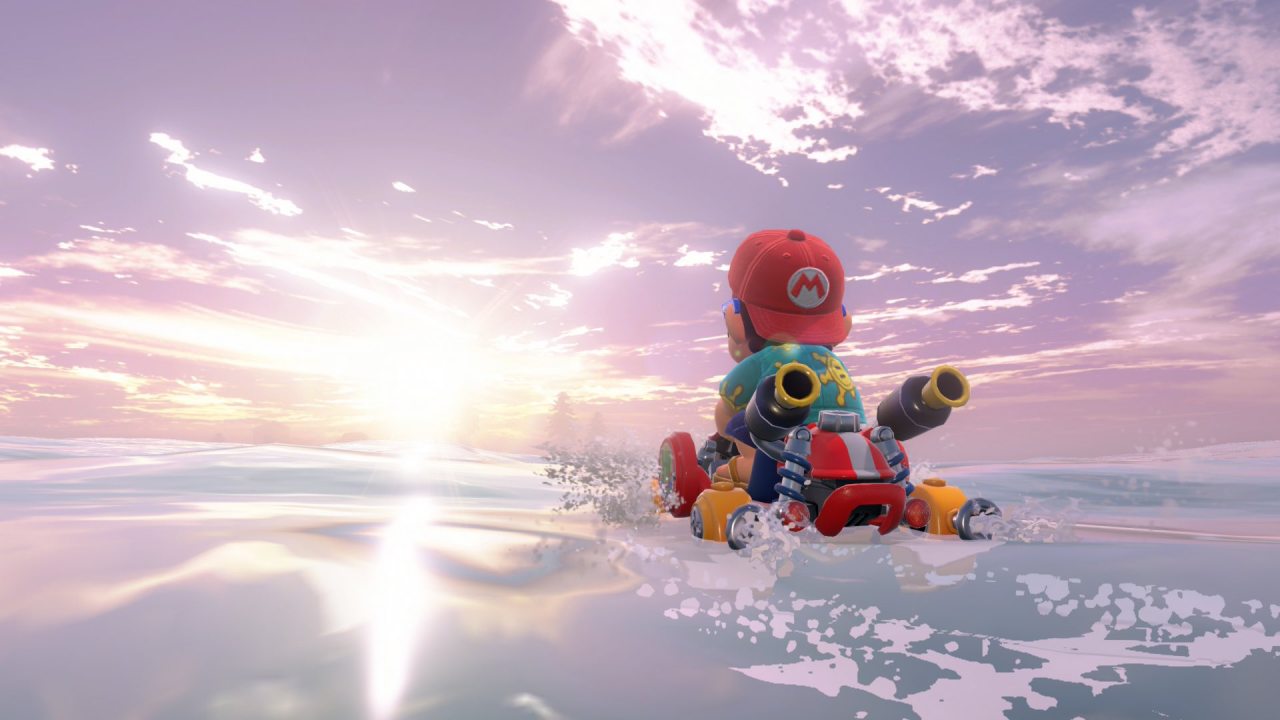
If the game were ready and Nintendo believed the timing was right, there would be little reason not to use it.
The stronger possibility is that development itself has taken longer than expected. Nintendo has already shown with other major projects that it can restart or rethink a game when the result doesn't meet its standards. That could mean they abandoned prototypes, rebuilt ideas, or expanded an earlier concept into something much larger.
Super Mario 3D World + Bowser's Fury also gives some context for the wait. It offered a fresh 3D Mario experience alongside Super Mario 3D World, but it was not a full new entry. It can be viewed as a temporary way to give players more 3D Mario while Nintendo continued working toward whatever comes next, beyond Super Mario Odyssey.
The next game may also avoid simply repeating what came before. Fans have naturally imagined Super Mario Galaxy 3, Super Mario Sunshine 2, or an Odyssey sequel, but Nintendo could instead be preparing something completely different. That possibility makes the development period easier to understand.
Creating a new direction while maintaining the movement, creativity, scale, and sense of discovery expected from the franchise takes time. That standard is also why comparisons with other Nintendo series do not always work. Kirby may receive new games more frequently, but a new 3D Mario carries a different level of expectation.
A trailer for another 3D platformer might look perfectly good, while the same presentation with Mario could immediately be judged as too basic. The character is held to a different standard. The same argument applies to development time.
Nintendo has acknowledged that modern game production takes longer, while costs and the amount of work required have increased.
The days when multiple large games could be produced quickly are harder to replicate. Super Mario Galaxy and its sequel arrived relatively close together, but that does not mean Nintendo can or should follow the same schedule today. Nintendo's release strategy also raises questions.
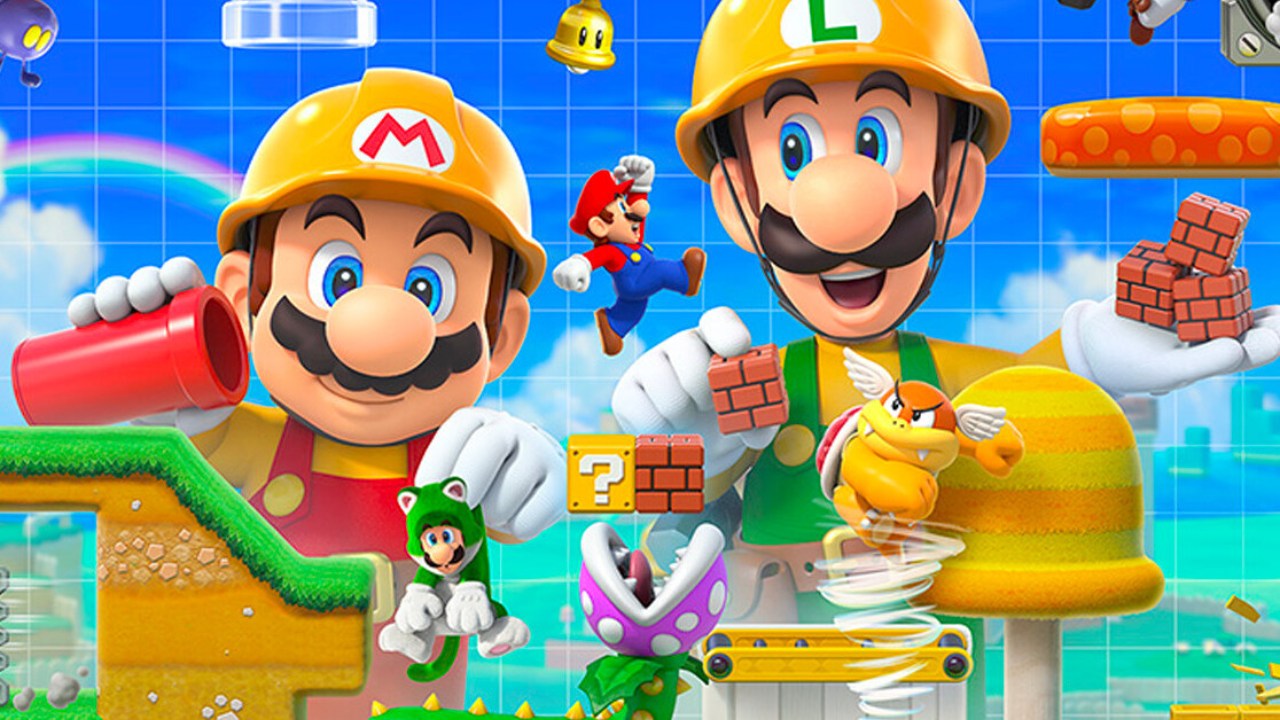
The company may simply be planning for one major 3D Mario adventure during the Nintendo Switch 2 generation. That would make the exact release year less important. Whether it arrives in 2025, 2026, or 2027, the generation will still likely receive its major entry, followed by a long gap before another.
Super Mario Odyssey arrived during the original Switch generation, while Super Mario 3D World filled the 3D platforming role on Wii U. The current Nintendo Switch 2 lineup also reduces the pressure to reveal 3D Mario immediately. The system has already built a broad library covering different genres and audiences. Major third-party games are joining the platform, while Nintendo continues adding first-party projects.
Games such as Metroid Ravenous and Fire Emblem: Fortune’s Weave are helping fill out the schedule, while titles from other major publishers are bringing additional variety. A successful console generation needs a steady stream of games that can attract families, RPG fans, action players, platformer fans, and people who primarily buy Nintendo hardware for first-party releases.
The Switch 2 is already building that range, rather than relying on one huge announcement to carry the entire system.
Nintendo's earlier Switch strategy is a useful comparison. The Legend of Zelda: Breath of the Wild and Super Mario Odyssey were enormous releases, but Nintendo spread major tentpole games across the generation rather than releasing them all at once.
Later, Super Mario 3D World + Bowser's Fury helped bridge that gap. The Legend of Zelda: Tears of the Kingdom also filled another slot. If Nintendo released Mario Kart, Donkey Kong Bananza, a new 3D Mario, and other major projects immediately, it would have fewer aces to deploy later.
That is why a missing announcement should not automatically be treated as bad news. Nintendo doesn't need to tell players that a new 3D Mario game exists just to reassure them. Everyone already understands that another game is coming. An announcement confirming that Nintendo is developing Mario would provide very little useful information without an actual reveal.
.jpg)
The timing could instead be tied to the point when Nintendo has something substantial to show. The company has increasingly used shorter periods between announcements and releases for some of its games, although that does not mean every project will follow the same pattern.
There is also little reason to assume the franchise is in trouble simply because the wait has reached nearly a decade.
Grand Theft Auto offers an extreme example of how long major franchises can take between releases, especially as expectations and production scale grow. Mario is a different series, but the broader point remains: long development cycles do not automatically mean a franchise is being neglected.
The stakes surrounding Mario are arguably even higher now. Since the previous major 3D entry, the character has expanded further through movies, theme parks, merchandise, and an even larger global audience. The next game therefore has more pressure than its predecessors. Nintendo has every reason to make sure the game performs well technically, looks polished, feels creative, and has enough content to justify its status as a major release.
That makes patience more reasonable. Rushing 3D Mario simply to fill a gap could hurt the game, the console, and Nintendo itself. If the developers need more time to refine the concept, improve performance, expand the world, or make the game feel distinct, delaying the reveal is better than showing something before it is ready.
The absence from the latest Direct also does not mean Mario has disappeared from the platform. Super Mario Bros. Wonder: Switch 2 Edition and Mario Tennis Fever have already added new Mario content during the current generation. Those games aren't substitutes for a new 3D adventure, but they show the character remains well represented while the main series follows a slower schedule.
The wait may ultimately stretch into 2027, but that does not necessarily make the situation worse.
Nintendo can continue strengthening the platform with other games while its biggest 3D platformer receives the development time it needs. When the reveal finally happens, it will need to justify the long buildup with a much larger, more ambitious experience.
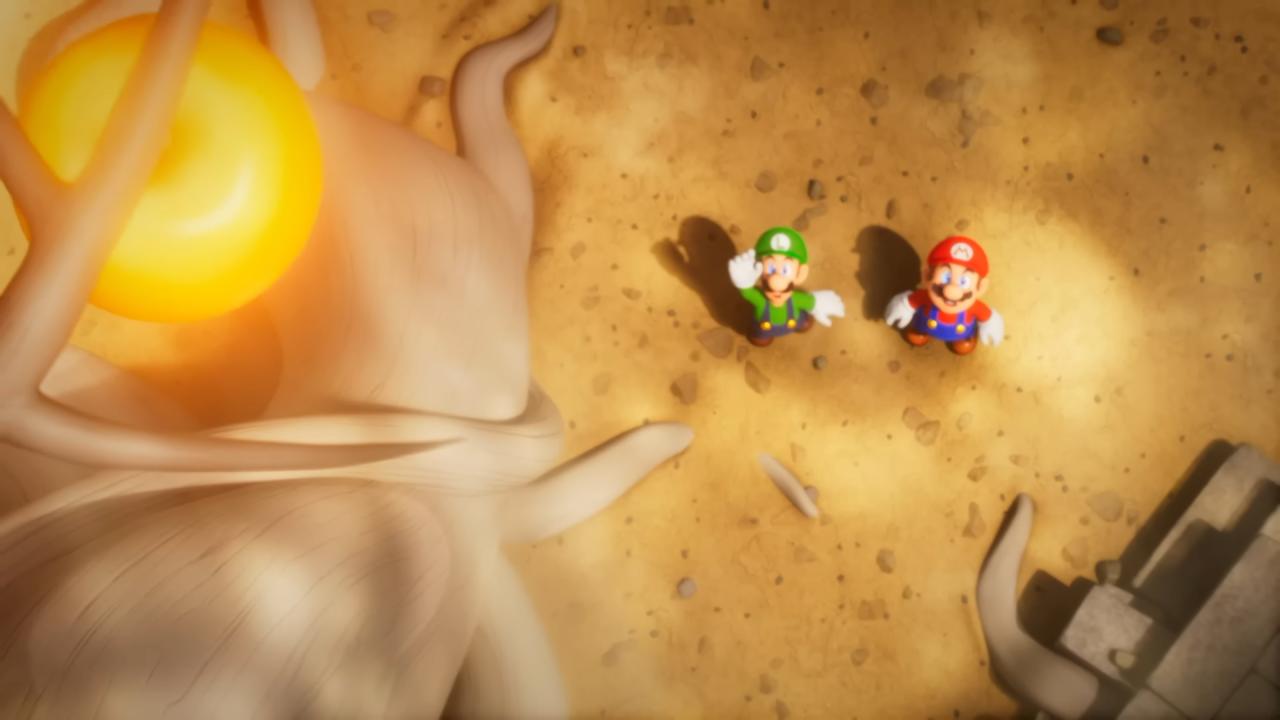
For now, the most sensible reading is that Nintendo has a plan, not a problem. The next 3D Mario is not being erased from the company's roadmap, and there is no reason to assume the series is finished. The latest Direct simply was not the moment Nintendo chose to reveal it.
The wait is frustrating, especially when you have been expecting another mainline adventure for years. Still, a generation packed with strong first-party releases, third-party support, and a broader selection of genres is arguably better than getting every major Nintendo game immediately and then facing a thin schedule later.
Nintendo can afford to let the next Mario adventure stay hidden until it has something worth showing. If that means waiting until 2027 for the reveal or release, the extra time could be exactly what turns the next game into the major event fans expect. Until then, the absence of an announcement is best understood as a sign that Nintendo is still working toward its next big Mario moment, not evidence that the franchise has been abandoned.
Editor, NoobFeed
Latest Articles
No Data.