
The Outer Worlds 2 Gains New Life Among RPG Fans One Year Post-Launch
A 2026 replay shows a mid-tier RPG with real flaws, but also more fun than early reactions suggested.
News by Adeela Tas on Oct 27, 2026
If you played The Outer Worlds 2 at launch, you probably left with the same feeling as many players. It was an okay RPG with a handful of standout moments, but it lacked the staying power and the wow factor of the first game. Some blamed the price.
Others pointed out that the systems weren't upgraded enough to make it feel clearly better than its predecessor. In 2026, the experience turned out differently. Plenty of people will disagree, but you may find yourself having a lot more fun than you expected.
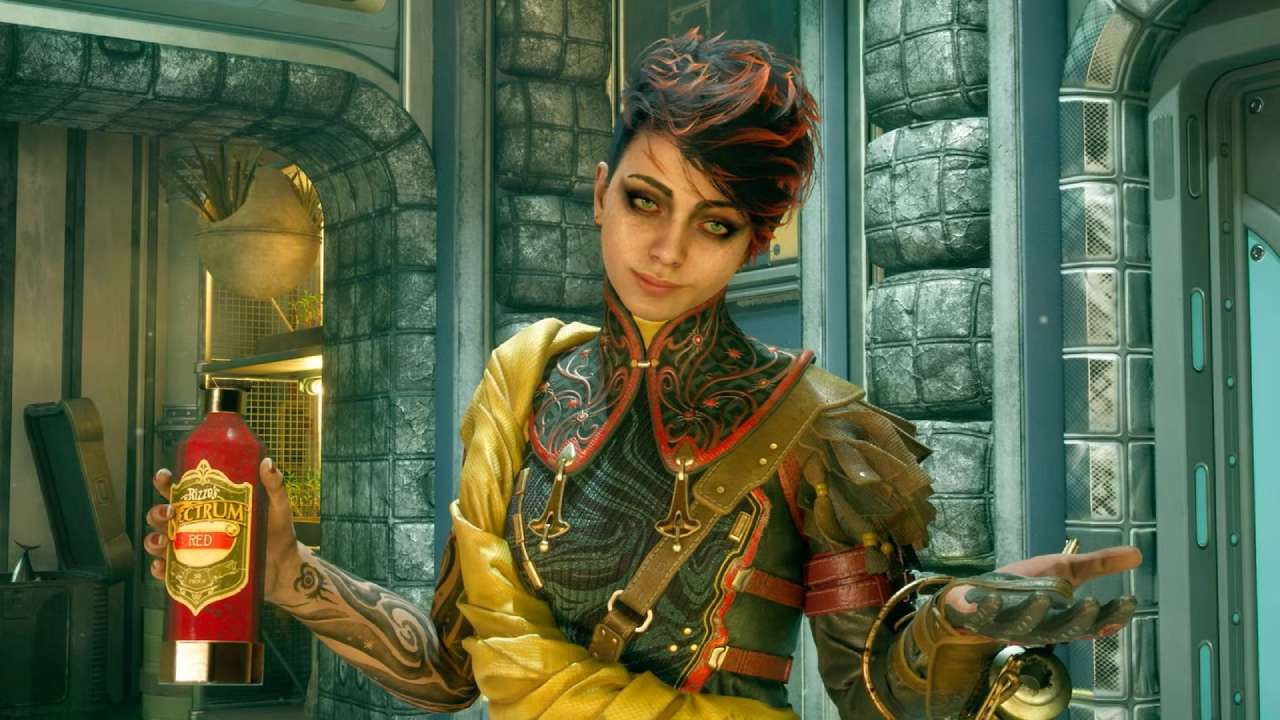
The sequel hasn't changed, but it seems to land better with fans now.
If you enjoyed the first game's casual RPG elements and liked that it never took itself too seriously, the second game gives you more of that, just with a different feel. Maybe people don't talk about it as much anymore, so there's no cloud of negativity to make you second-guess what you enjoy.
You could also be in a different frame of mind than you were a year ago. Another possibility is that players have been spoiled by expansions that offer more than some full games do at launch. Whatever the reason, The Outer Worlds 2 deserves a place on the shelf, because sometimes you want a game like this.
The tone has shifted a bit. The setting isn't as goofy this time, and the plot leans toward serious political themes that some people say echo real-world events. If you already read the news and get alerts on your phone, you probably don't need a game doing the same thing in the background. You want to play, and the game mostly lets you.
The game also asks you to make decisions far more often than you might remember. Some are heavy and permanent, and they lock you out of certain content, which upset many players at launch. A year ago, a lot of the discussion centered on how final those decisions were. That felt like a strange complaint then, since the point of a game like this is to see as much of it as you can.
On a second pass, what stands out is the weight behind those calls.
What you pick on a planet visibly affects the world around you, and that feels fresh. Last year's complaints read more like FOMO than a real design problem, since this is a couch RPG meant to be played at a relaxed pace. Not everyone has time to replay a game and make different calls, and that's understandable, but real consequences for your decisions are a plus.
The companions are another high point, at least outside of fights. They feel far more alive in conversation and in the stories attached to them. In combat, they're about as useful as a rock sitting on a desk, one a nephew gave as a gift, sentimental value and all, but still just a rock. The companions' arcs also respond to your permanent choices, so how their stories end depends on you.

It makes you feel like more than a passerby in this galaxy, and your actions carry some weight. Combat is a strong point too. The revamped system is fun, and the range of tactics available changes how you approach each encounter. That pushes the game to new heights compared with the first one.
The companion AI is the weak link, but mobility and the perks make up for it. More games should borrow this character-trait idea, since some of them change how you play in funny ways. The perks-and-flaws system prompts you to accept or decline a trait based on how you've been playing.
If you take the stealthy route, the game might offer a flaw where your knees crack more when you crouch, simply because you've been using them so much.
It's one of the game's funniest touches. If you spray bullets instead, you might be offered a trait that gives you 200 percent magazine capacity, with the catch that you can no longer reload mid-mag. Choices like these let you role-play your character in a way few games manage. Better still, it's all optional. You can decline every flaw and trait and play the most vanilla version of the game possible.
Not everything feels that flexible, though, and this is where The Outer Worlds 2 shows its mid-tier side. It isn't a groundbreaking, show-stopping release. Your character has plenty of room for customization, but the galaxy around you doesn't respond the same way.
The decisions you make on individual worlds are satisfying, yet they stay self-contained. They're permanent on one planet and don'tcarry over to the next. You can see the appeal of a clean slate where each planet works as its own ecosystem, but you may wish more of your choices echoed across the galaxy.
The mid-game also takes a dip. A few early planets are a pleasure to explore, but then the rug gets pulled out, and the game funnels you into some of its most linear planets. The only side quests you find are the companion quests, which is a letdown. After the open feel of the early hours, that shift is hard to ignore, and it's the part of The Outer Worlds 2 that most clearly shows its limits.

Overall, the game is said to have felt like the first one, which won't sit well with everyone.
After waiting nearly six years and paying more, getting what some call a 1.5 version instead of a true sequel stings. Some days it feels like you're playing an expansion rather than a full follow-up. That explains the lukewarm launch reaction.
If you want a relaxed RPG where permanent choices matter, combat is enjoyable, and perks and flaws change how you play, The Outer Worlds 2 still delivers. The companions deserve a better AI, and the galaxy deserves choices that carry across planets, yet the experience holds up better than the early chatter suggested.
There's no clear verdict on whether The Outer Worlds 2 was a failure, or whether players misjudged it from the start. It was a very specific case. It was enjoyable at launch, but it felt less fresh than the first game, so players set it aside. Anyone who skipped it over the early reviews might want to give The Outer Worlds 2 another look, especially now that the noise has settled.
Avowed is next on the list. Its first impression was similar to The Outer Worlds 2, so a second look at Avowed could singe things. Similarly, the same things will be worth watching there: how the combat holds up, how useful the companions are, and whether the choices carry weight.
For now, The Outer Worlds 2 deserves a second chance, and its perks and flaws make a replay worthwhile. Whether you loved it or wrote it off, The Outer Worlds 2 is easier to appreciate once the hype is gone, and Avowed may turn out the same way.
Editor, NoobFeed
Related News
No Data.