
EA Layoffs Mount as BioWare Closes & Focus Shifts to Live Service
Here's who got cut, what EA is keeping, and why a $20 billion debt is calling the shots.
News by Adeela Tas on Oct 27, 2026
EA has closed BioWare, and it's the latest studio to join the company's long list of acquisitions that were bought, used up, and dropped as priorities shifted. The EA layoffs extend well beyond one team, and the reasons are now clearer than before. A few months ago EA went private, which changes how the company operates.
It no longer has to show public shareholders every quarter that it can trim costs and grow profit. So when leadership pulls money from BioWare and several other studios, then moves it toward revivals of decade-old sports games and more live service titles, it isn't about the stock market. It's about keeping the new owners happy.
Those owners are in a tight spot too, and EA is sitting on $20 billion in debt, so the company is being reshaped to cope.
Start with the studio that got the headlines. BioWare lasted 31 years and, for much of that time, built some of the medium's most influential games and franchises. Many people now wonder whether this was coming. By the 2020s, many saw BioWare as a shell of its former self.
It had released one messy game after another, and years of cuts left it with only 50 staff. So the argument goes that EA is simply ending the studio's suffering after more than a decade of bad calls and a legacy it couldn't match. Plenty of those mistakes were the studio's own. But EA doesn't get a pass, and if you remember what happened right after the acquisition, the story looks different.
EA owned BioWare for 19 of its 31 years, and from the start it set the conditions the team had to work under. Those conditions are why Dragon Age II had to be built in 16 months, and it's seen as controversial at best. Mass Effect 3 was pushed out in two years, and it's fair to think more time might have avoided some of its well-known problems.
Maybe the game's director wouldn't have had to lock himself in a room for a weekend to work out the divisive ending. The same conditions explain why Mass Effect: Andromeda went out early and full of bugs. EA had a hand in nearly everything that went wrong with Anthem, from how it was made to how it died.
It's also behind the shift of Dragon Age: The Veilguard from a single-player game to a live service game, and then back again.
Because the team never got a chance to restart the project, players received a version put together in roughly a year and a half, which is no recipe for a good game. Insiders have documented EA's role in all of this, often in detail. EA did put Star Wars: The Old Republic into a lifeboat.
Then there's the "BioWare magic" approach: grit your teeth, crunch hard, and you'd come out with a finished game. Staff often delivered against steep odds, but it couldn't last forever, especially when they did it to meet EA's demands. Nobody seriously thinks a two-year schedule best served the third game.

EA sent staff a memo explaining the layoffs, opening by calling the company the number one publisher in Western HD gaming. In the same breath, it decided that paying 50 Canadians and keeping their office open a few more years wasn't worth the investment.
As far as anyone knows, all 50 were working on the next Mass Effect game, and the memo says EA won't move forward with it. It's unclear how far along the project was or whether it was in trouble. This could be a move to improve efficiency.
Money is a big part of why.
If you're being mercenary, BioWare couldn't earn what EA wants, and now needs. When The Veilguard flopped two years ago, it hardly registered. It reached 1.5 million players in its first two months, and EA wanted about double that. EA had a rough quarter and cut its yearly forecast by more than half a billion dollars, but even if every missing player had paid full price, that would only amount to around $100 million.
EA's own reporting shows most of that period's financial damage came from football. EA Sports FC was projected to beat its record year but instead fell short. The Veilguard missed its target by half, FC dipped around 5%, and FC's dip still cost EA far more. That shows how different EA's scale is: three million is a struggling sports game; a stan in a studio like BioWare is a success.
It would take 10, or maybe 20, million copies for one of its games to be worth it, like Baldur's Gate 3. But BioWare is no Larian. Even if the project had been going well enough for full production, the team would have to grow from 50 to maybe 150 or 200 people, who would need to be brought back, trained, and put to work together.
Larian has kept stable teams with strong retention for years, so workflows and skills have built up over time. That's the recipe for a 20-million-copy RPG, and it isn't what this studio had been doing. As for the franchises, Dragon Age looks pretty much done. Mass Effect still exists, but as an Amazon Prime TV show.
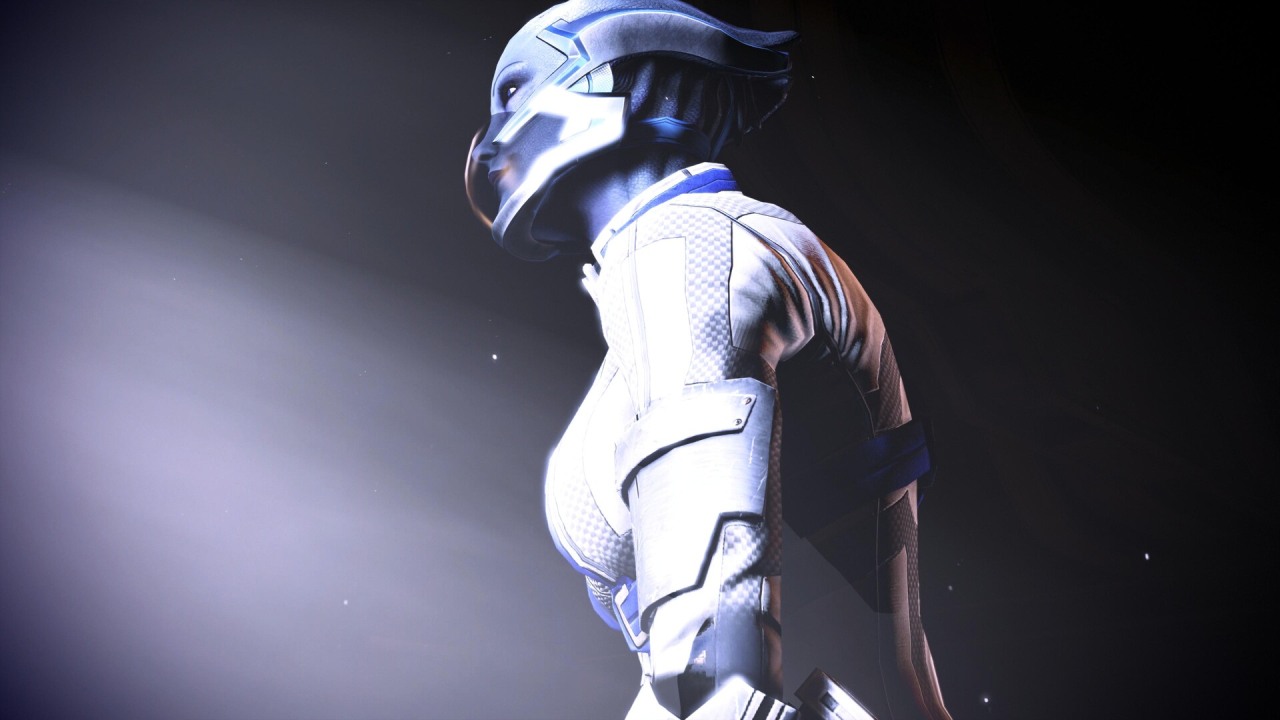
It's odd that no new game goes alongside it, but EA still sees value, since the show should drive sales of the Legendary Edition collection. That's the end of BioWare. Next comes what EA thinks is worth its time and money, and the short version is balls and guns. Now for the guns.
Apex Legends has recovered well in player count and spending, so EA plans more modes.
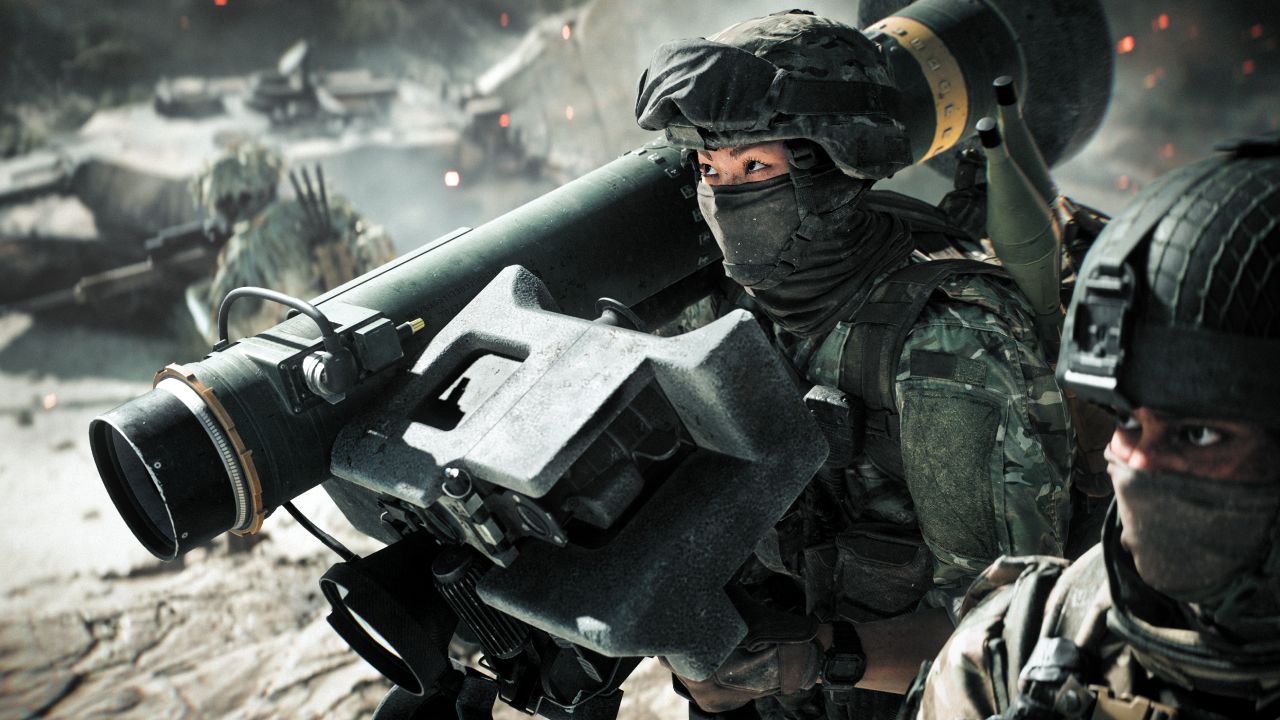
DICE and Respawn are reportedly teaming up on Star Wars Battlefront III. Battlefield already saw one round of cuts this year, but Battlefield 6 is still seen as a success, so more cuts are coming, and Battlefield is becoming the template for how EA makes games.
Single-player isn't dead at EA, but original work looks off the table. Respawn will finish the Jedi trilogy, and Motive, the studio behind the leaked Iron Man game, stays open because it also works on Battlefield. Both are licensed games, and a license helps reach a wider audience.
EA also promises fewer large projects at once, which is bad news for anyone wanting big new games, since it mostly means live service from here. Right now only two full productions are running, Jedi and Iron Man, and that could drop to one. The Sims, a quiet profit driver under the lifestyle banner, has had its mobile-first project put on hold, and Full Circle, the team behind the live service bet Skate, is being gutted for the second time in a year.
The EA layoffs affect all three studios and total 400 jobs. The closure accounts for only 50 of them, an eighth, so there's a lot more here than the headlines suggest. Many of those going held senior or leadership titles, and some, like Skate's seasonal creative director, had already survived the earlier cuts at the Canadian studio.
Sports are where the money is going.
EA's UFC team is reviving Fight Night after 15 years on ice, and Project Gridiron is a social-first, open-world American football game that sounds like a version of The Grounds from EA Sports FC 27, which drew plenty of mockery. So the focus is guns, balls, and The Sims, made by fewer people, with the biggest bets on the surest things.
The pressure comes from the money. Saudi Arabia's Public Investment Fund led the $55 billion buyout, leaving EA with $20 billion in debt. Bondholders say the credit downgrade triggered an early payout that EA hasn't made, so they claim a default and want $1.4 billion now.
It also explains why Fight Night is returning only after the PIF bought EA: the PIF has poured billions into boxing, and EA gets early access to promoters, which suits Saudi sportswashing. Everything else goes into the vault, since EA hoards IP rather than selling it, and only its mountain of debt might eventually force a sale.
Editor, NoobFeed
Related News
No Data.