
NVIDIA 24GB RTX 5080 Reportedly Launching in December With Pricing More Than $2,000
NVIDIA's reported 24GB RTX 5080 upgrade could address longstanding VRAM concerns while introducing significantly higher pricing for enthusiasts.
Hardware by Tanvir Kabbo on Oct 30, 2026
NVIDIA could be gearing up for a major correction to one of the most controversial decisions regarding its current high-end GPU portfolio. The company is reportedly working on a 24 GB RTX 5080 variant that could replace the current 16 GB model in the next few months. If so, this would be an atypically big change to the product rather than the typical mid-generation upgrade.
The RTX 5080 was already a powerful graphics card, but its memory capacity quickly became a huge talking point. Fans wondered why a premium 80-class GPU for heavy 4K gaming would ship with just 16GB of VRAM in 2026. As games got more memory-hungry, ray tracing workloads got heavier, and local AI applications outgrew what common graphics cards could do, it became harder to ignore such criticisms.
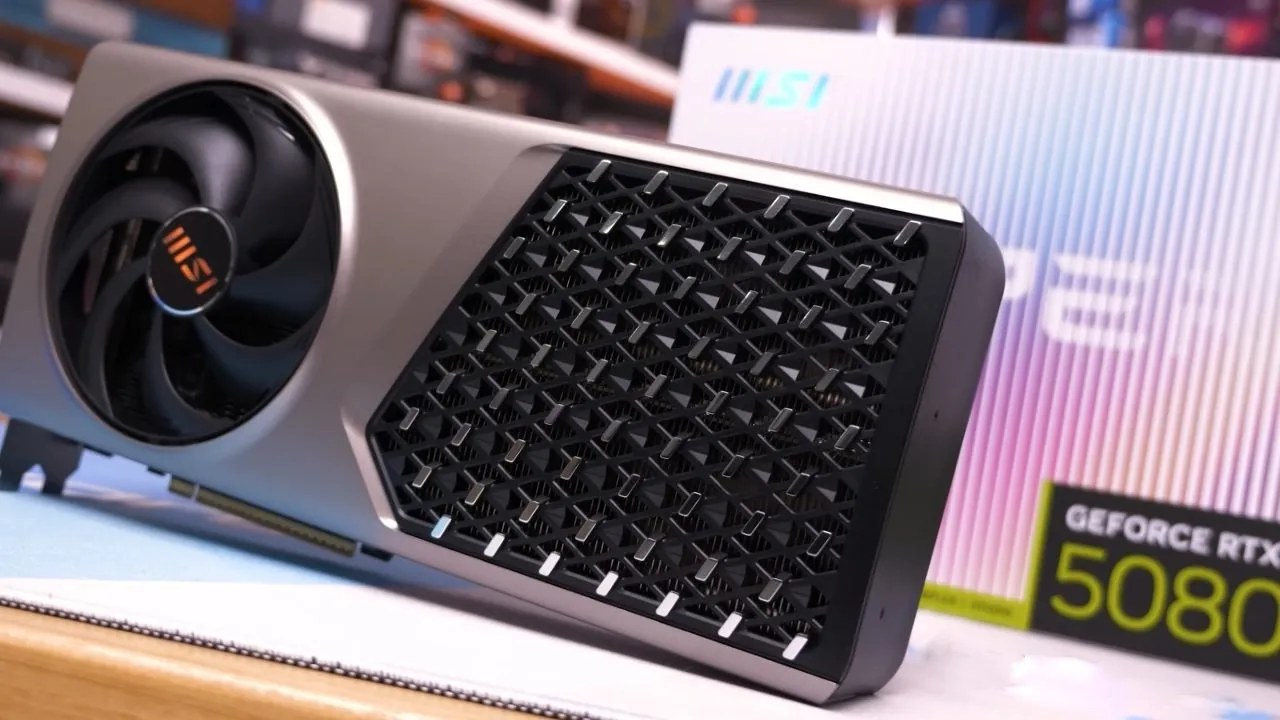
This claimed improvement could be a long-overdue recognition for consumers who argued that the RTX 5080 needed extra RAM from the start. But boosting VRAM capacity isn't a simple update, and GDDR7 supply limits are already driving up production costs.
24 GB RTX 5080 Could Finally Address NVIDIA's Biggest Mistake
The most important part of this supposed increase isn't the extra 8 GB of memory. Moving from 16GB to 24GB of GDDR7 is a 50% boost in VRAM, which might grant the RTX 5080 much more breathing room in heavy tasks.
Native 4K gaming is getting harder and harder to fit into constrained memory budgets. Modern titles blend high-resolution graphics, rich environments, complicated modeling, ray tracing, and increasingly sophisticated rendering algorithms. 16 GB is good for many games; however, some very demanding titles can push past that limit, forcing trade-offs in texture quality or uneven performance.
It becomes even more intriguing with technologies like DLSS 5 Neural Rendering. Memory capacity is an increasingly significant concern for NVIDIA's growing AI rendering aspirations—especially when handling complex rendering workloads and their assets. More VRAM doesn't automatically mean higher frame rates, but it can help to ensure memory limits don't become a bottleneck for an otherwise strong GPU.
Another crucial aspect is local AI development. Fans playing with locally hosted Large Language Models (LLMs) often hit VRAM constraints before they even use their graphics cards' full computing power. A 24 GB variant could handle larger models, more inference workloads, and higher memory needs without leaning so heavily on system RAM. These other features would make the RTX 5080 a far more adaptable graphics card for a high-end market.
GDDR7 Economics Could Push the RTX 5080 Towards $2,000
However, NVIDIA's reported plans face a significant problem: memory availability. The existing RTX 5080 uses 16 GB of GDDR7 across eight 2 GB memory modules. Increasing capacity to 24 GB while retaining its 256-bit memory interface would require higher-density 3 GB GDDR7 modules. This is where the economics become considerably more complicated.
The greater-density modules have apparently suffered from supply difficulties and higher procurement prices. Earlier rumors regarding the delayed RTX 50 SUPER update from NVIDIA also indicated that costly 3 GB GDDR7 components were a big hurdle.
Consequently, expecting NVIDIA to introduce a 24 GB RTX 5080 at the original $999 MSRP would be unrealistic. Reports suggest that the upgraded card could approach $2,000, although this remains speculative rather than confirmed retail pricing.
That would place the RTX 5080 in an uncomfortable position. Historically, prices approaching that territory have been associated with enthusiast-class Titan and flagship 90-series products, not an 80-class gaming GPU.
Furthermore, increasing VRAM capacity does not automatically improve processing performance. Unless NVIDIA changes the underlying GPU configuration, buyers could be paying substantially more for additional memory capacity than for a proportionate increase in rendering performance. That distinction will matter when evaluating the card against competing alternatives.
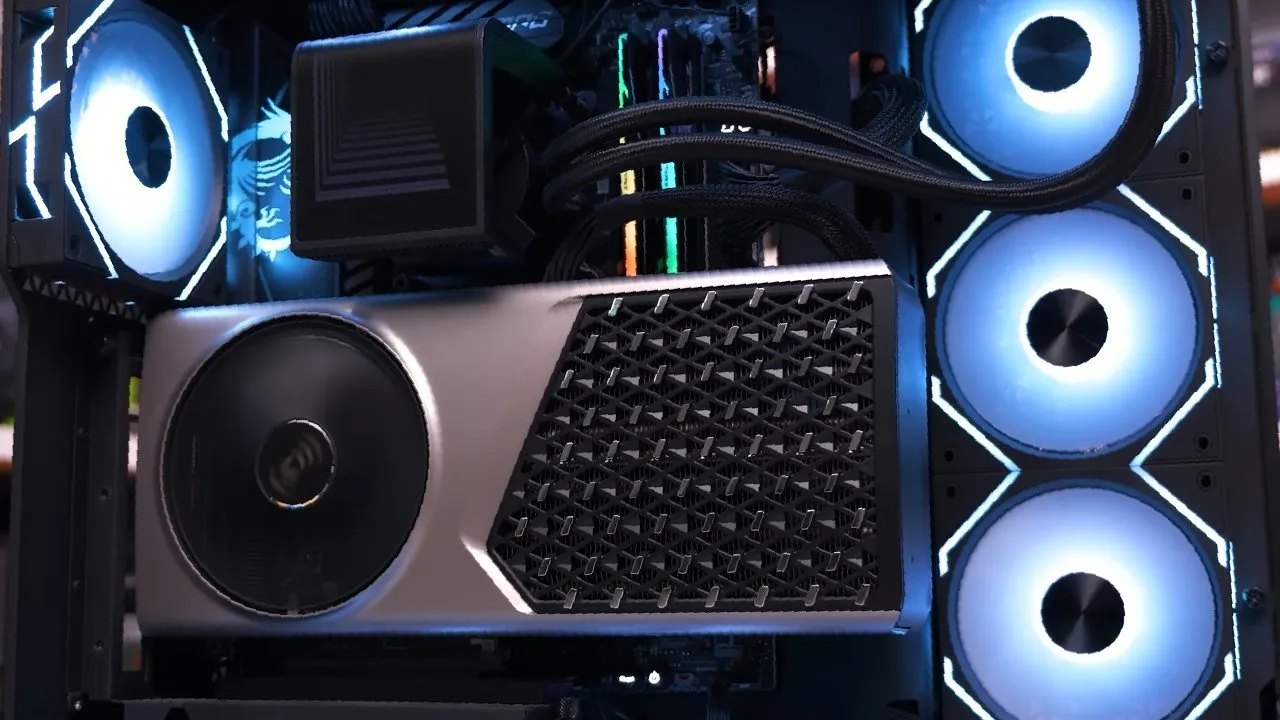
The Reported Launch Timeline Raises More Questions
According to information claimed by Taiwanese newspaper Benchlife, the 24 GB RTX 5080 is supposedly aiming for Q1 2027. The aim is to replace the current 16GB configuration, not add another model on top of it.
However, there are reasons to remain cautious. Board partners reportedly have not received complete development documentation, with initial communication reportedly limited to verbal notifications. NVIDIA has not officially confirmed the product or its replacement strategy.
This distinction is important, as a claimed launch window is not the same as a finalized retail release. Manufacturing availability, memory procurement, and board-partner readiness could affect the final schedule.
Senior Editor, NoobFeed
Gaming Hardware Updates
No Data.