
RTX 50 Super Delayed: Why GDDR7 Memory Prices are Holding Back Launch
AMD's Ryzen 7 7700X3D launched at a reduced price through a limited retailer promotion shortly after its official debut this month.
Hardware by Nahe Yan on Jul 22, 2026
The PC hardware market moved on several fronts this week, from a fresh AM5 processor discount to a graphics card launch that's stuck in limbo to a thermal issue that owners can only now check for themselves. Pricing, memory supply, and cooling design all played a role, and each story connects back to how much value buyers are getting for their money.
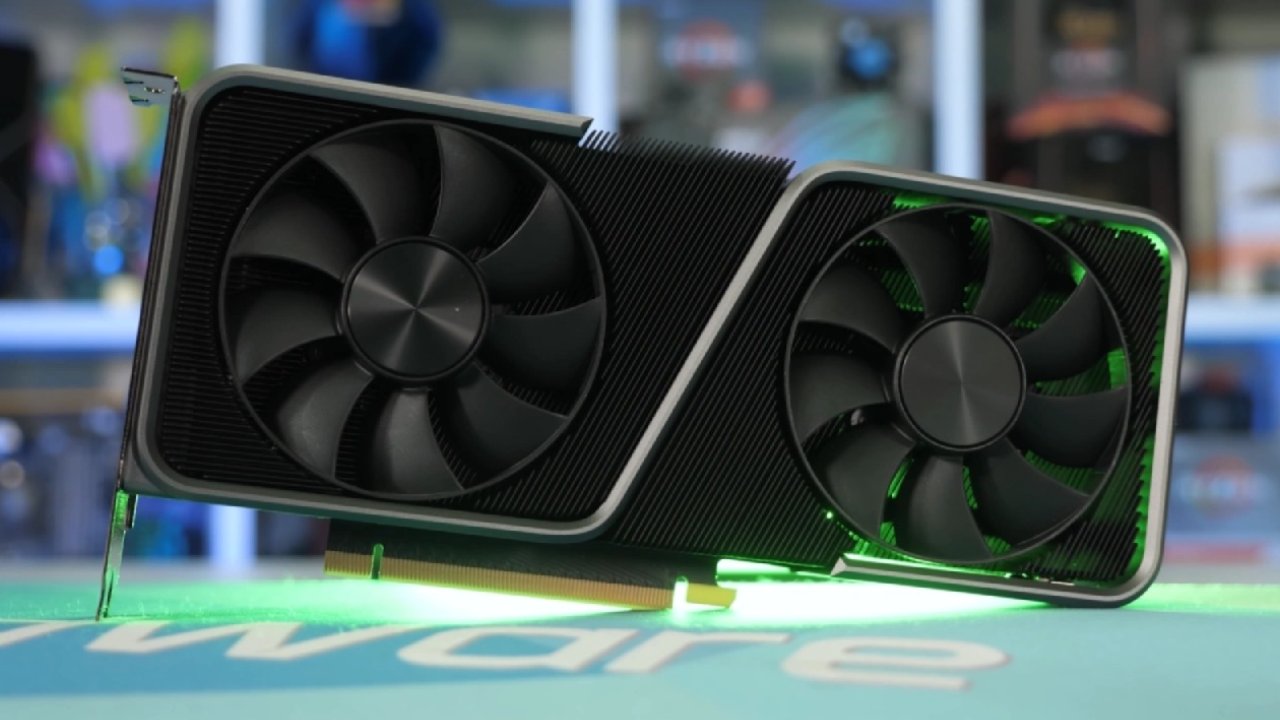
Another story from VideoCardz says that Nvidia's RTX 50 Super lineup has been seen by at least one board partner. That detail is important because it shows that the cards are no longer just ideas or early prototypes. Still, NVIDIA has told partners to wait, and there is no new start date yet.
Memory Pricing Behind the Delay
RTX 50 Super series is expected to rely on 3GB GDDR7 memory chips, which would raise VRAM capacity without changing the memory bus width or the chip count on the board. Under that plan, the RTX 5070 Super would move from 12GB to 18GB, while both the RTX 5070 Ti Super and RTX 5080 Super would climb from 16GB to 24GB.
It all comes down to money. At the moment, a single 3GB GDDR7 chip costs between $60 and $70, while a normal 2GB chip costs around $20. That means NVIDIA would have to pay three times as much for only half as much space.
The difference adds up quickly when you look at a full card. RTX 5070 Super would need six of these chips, but the RTX 5070 Ti Super and RTX 5080 Super would each need eight.
This would make the memory cost several hundred dollars more, and that's before any profit is taken into account. It's likely that NVIDIA gets different volume discounts than what the report says, so these numbers shouldn't be taken as the exact costs of making the cards, but they still point in the same direction.
RTX50 Hotspot Temperatures Raise Concern
A separate story tied to Nvidia's RTX 50 series centers on hotspot monitoring. A repair specialist based in Brazil, Paulo Gomez, found that a Gigabyte RTX 5070 Ti reported a normal GPU temperature of around 67°C. At the same time, Nvidia's internal diagnostic software showed the hottest section of the die reaching roughly 106°C.
Since NVIDIA currently blocks standard monitoring tools from reading hotspot temperatures on the RTX 50 series, an owner in that situation would have no way to know about the gap. Developers have since worked around that limit. HWMonitor added RTX 50 hotspot support first, followed by HWiNFO, and now AIDA64 offers it as well.
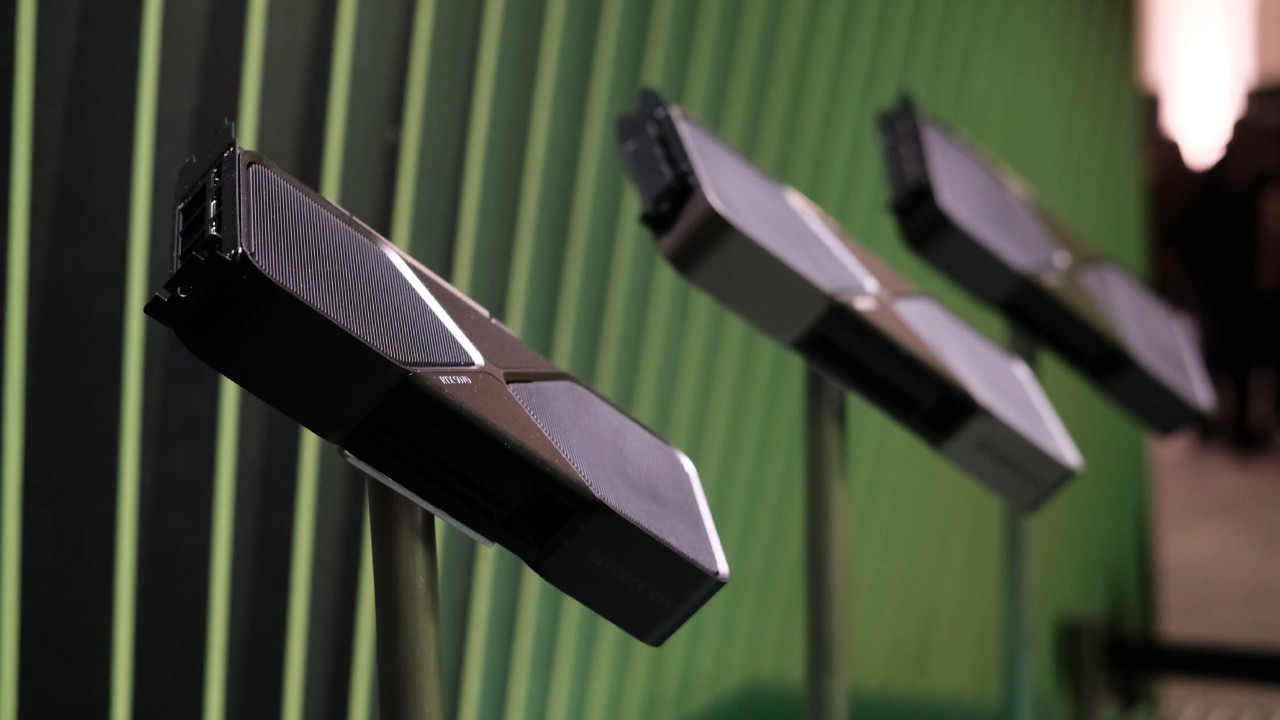
Reports describe a Colorful RTX 5080 reaching a hotspot temperature close to 100°C.
A bug in an earlier version of HWMonitor did report inflated numbers, and the version used in that case is unknown, so the card in question may fall within an acceptable range. Even so, checking the hotspot temperature is worth doing, given that the case that sparked the wider conversation involved a card with confirmed high readings caused by poor thermal paste and an uneven cooler.
According to Colorful, a card that remains at 95°C or higher for more than 10 minutes under heavy stress is burning. The company suggests first making sure there isn't too much dust around the system and that air can flow freely around it. If temperatures remain at or above 95°C despite good cooling, Colorful recommends a post-sale inspection to identify a cooling issue or another hardware problem.
A reading of 95°C will not immediately damage a chip, but it will likely shorten its lifespan compared with a card running closer to 60°C. Acknowledging the issue directly, rather than dismissing it, sets Colorful apart in how it has handled the reports so far. Given that hotspot monitoring became available again on RTX 50 cards recently, checking your own GPU is a reasonable step to take.
Editor, NoobFeed
Gaming Hardware Updates
No Data.