
Bethesda's Modding Community Is Delivering What the Studio Can't
From ambitious Fallout 4 expansions to seamless worlds in Skyrim and Starfield, fan-made projects show how Bethesda could breathe new life into its games.
News by Mahi Araf on Nov 02, 2026
For years, Bethesda Game Studios has had one of the most dedicated modding communities in the gaming industry. Skyrim was arguably the turning point that brought this relationship into the spotlight, but players have been relying on community-made improvements for much longer.
Some say that Bethesda games are almost unplayable without mods, and others have always enjoyed the vanilla experience. Fallout 3, New Vegas, Skyrim, and Fallout 4 all have plenty of interesting things to keep you coming back without adding any mods.
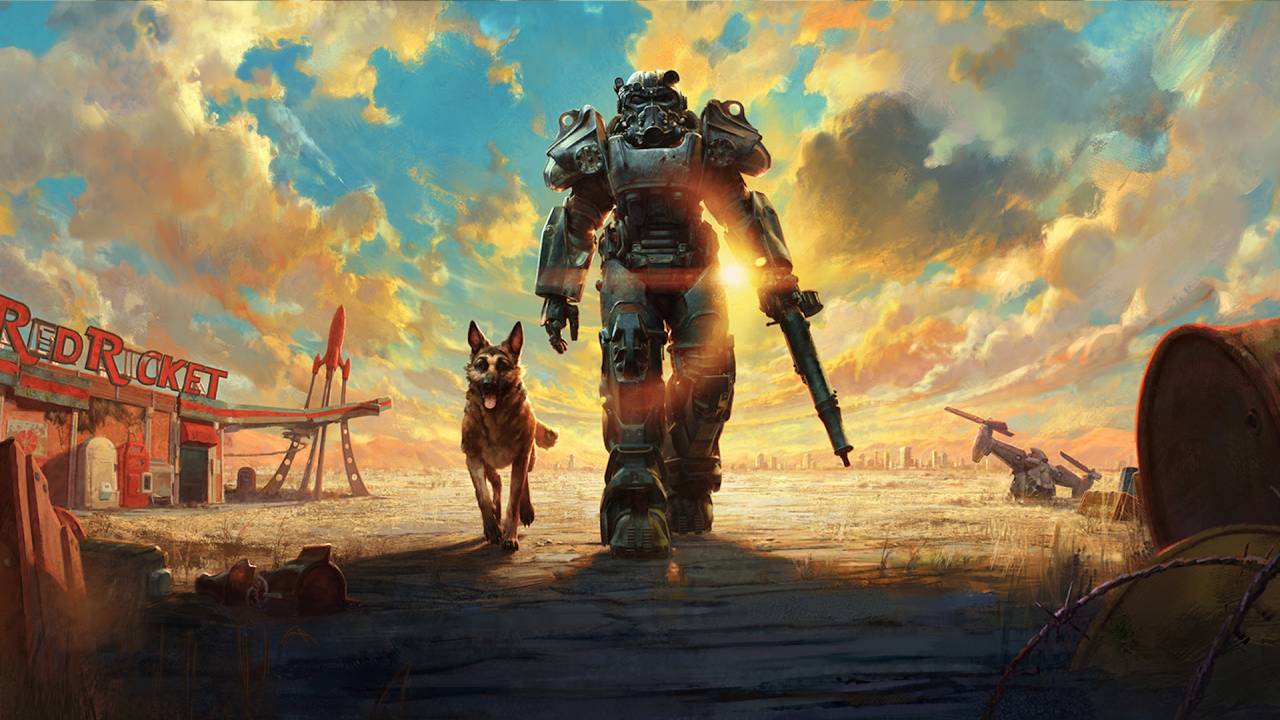
But Bethesda and its modding community have a rather different relationship now. Modders are no longer just patching things and adding quality-of-life changes. They're making a ton of content that can easily rival official expansions, and they're also finding workarounds for technical issues Bethesda has struggled with.
What's more interesting is that other developers are starting to see the value of these creators.
For example, CD Projekt Red hired modders to work on the remaster and quality-of-life improvements for The Witcher 3. The company has also brought Cyberpunk 2077 modders into its development teams to help with updates and future projects. The modding community has benefited Larian Studios too.
So Bethesda's current approach is a bit of a disappointment. The company introduced its Creations platform, which lets creators publish and sell their work, but a noticeable gap still exists between community-made content and official downloadable content. A few recent projects show why Bethesda might want to rethink that strategy and start working more closely with the people already expanding its games.
One of the best examples of this is Fever Dreams, by King and his team. The project shows how strong community-made content can fit seamlessly into Fallout 4 when creators understand the game's writing, design, and overall atmosphere. It feels like something Bethesda could have developed itself, rather than an experience separate from the original game.
The return of Fallout 4 voice actors Brian T. Delaney and Courtney Taylor also demonstrates the level of collaboration involved in bringing this project together.
Fever Dreams is particularly interesting because Fallout 4 players have wanted more substantial story content for years. When Bethesda announced that Nuka-World would be the game's final expansion, many fans were disappointed because they expected the adventure to continue.
The studio eventually moved on to Fallout 76, leaving Fallout 4 without another major expansion. Fever Dreams feels like the kind of content that could have filled that gap. Once you experience what the team has created, it becomes difficult not to wonder why Bethesda hasn't made something similar part of the official DLC lineup.
Hobgoblin Studios makes an equally strong case with Command Override, another Fallout 4 project that expands on an idea introduced in the Automatron DLC. While Automatron let you build and customize robots, Command Override takes it further by letting you control these machines directly. You can take over Assaultrons and use them against your enemies instead of simply watching your creations fight.
The project even allows you to control Liberty Prime, one of the most recognizable machines in the Fallout universe.
Command Override also features a complete questline, making it feel much closer to an official expansion than a simple gameplay modification. Hobgoblin Studios has even funded a live-action RobCo commercial connected to the Mini Boy, an item featured in the questline.
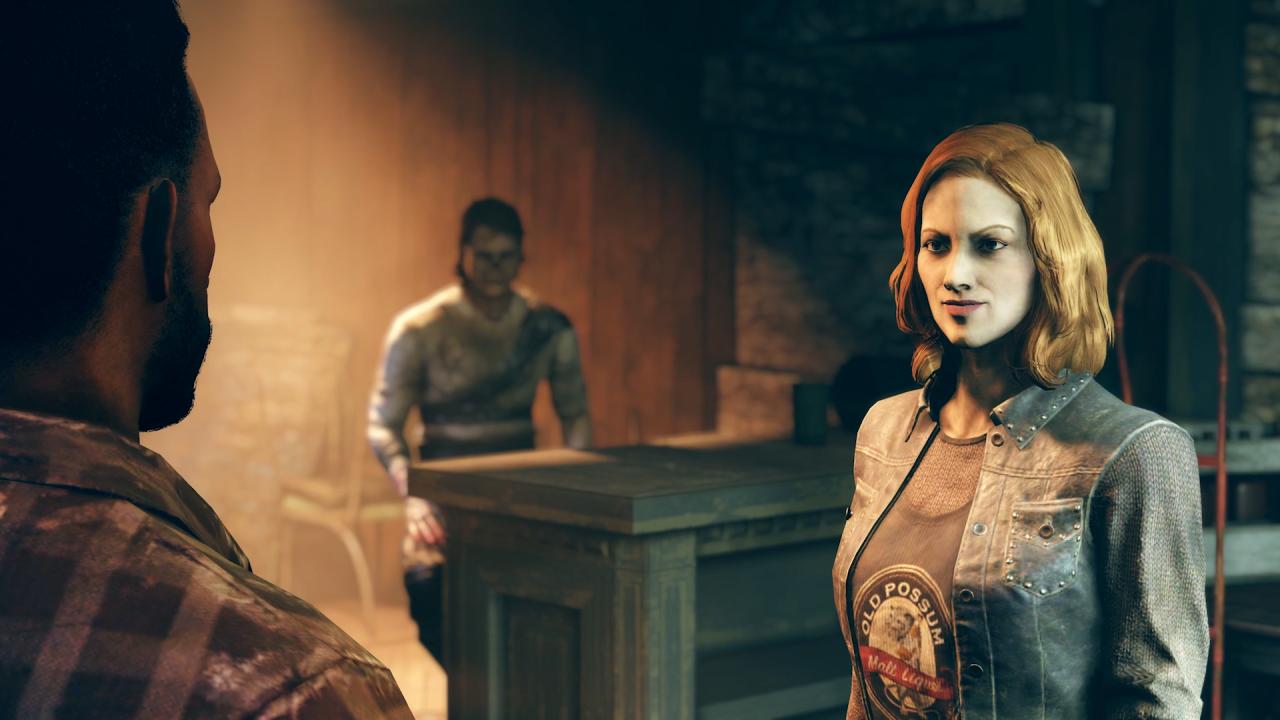
The amount of effort going into these projects is becoming increasingly difficult to overlook. When you consider how naturally Command Override fits alongside Fallout 4's existing expansions, it raises the question of why Bethesda hasn't given these creators a more prominent position within its official content lineup.
Another interesting project comes from Zone Zero Creations. Its upcoming Fallout 4 Creation, Fathomless, takes inspiration from Vault 120, an underwater vault that was originally cut from the game. The concept included a quest called 20 Leagues Under the Sea, which reportedly drew inspiration from BioShock. Even more interestingly, the Overseer was supposed to be a sentient squid.
It was a weird concept that could have given Fallout 4 a completely different feel, and now Fathomless is exploring that idea.
Fallout has plenty of room for horror-based experiences, especially given the creepy places and creatures already dotted across the series. Bethesda is really good at open-world exploration, interacting with the environment, and creating worlds that make you want to go around and find things.
But Fathomless adds a new layer that the studio might not usually go for. A survival-horror-style Fallout experience could bring something new to the usual exploration-and-combat formula, and it's encouraging to see a community team experimenting with that possibility.
These three projects show how Bethesda could keep supporting its older games without pulling developers away from The Elder Scrolls 6. Teams like King already have a well-established development process and regularly churn out large amounts of content.
Bethesda could reach out to these creators to make official DLC, giving players more stories, quests, and rewards while freeing up its main development teams to work on bigger projects. Given how long Starfield players waited for its Terran Armada and Free Lanes updates, having more teams making content could help a lot.
The remaining two projects go further by addressing technical limitations in Bethesda's games.
Frederick Westber, for example, is working on a seamless landing system for Starfield, something players were previously led to believe would be impossible. The modification aims to let you travel directly from space to a planet without the usual loading transition. Starfield already has Free Lanes, letting players travel around star systems, but seamless planetary landings would make exploration feel much more connected.
Loading screens have always interrupted Starfield's sense of exploration, and removing some of those transitions could improve the overall experience. Being able to travel between planets and land without constantly interrupting the flow would make the game way more immersive.

There are technical limitations, especially because of differences between PC and console hardware, of course. But that doesn't mean Bethesda shouldn't look for ways to improve where they can. Even if a mod only works on PC, it could still be a meaningful upgrade for that platform.
Another example of community members working on issues that have frustrated players is Oblivion Remastered.
A fan reportedly used Claude alongside the game and spent around two weeks working on a solution that helped stabilize its frame rate. This is an uncomfortable comparison for Bethesda and Virtuos, especially considering how long players have waited for official performance improvements.
Oblivion Remastered had noticeable frame-rate and stuttering issues, yet it took Bethesda around 16 months to announce fixes. Some improvements made for the Switch 2 have also not been brought over to other platforms. Of course, Bethesda and Virtuos have multiple projects in development, and the latter may also be involved in the expected Fallout 3 remaster.
Developers have understandable reasons for not being able to address every problem immediately. Still, when a fan can spend a couple of weeks investigating an issue and find a potential solution, it raises questions about why the official teams haven't delivered something similar.
The final project might be even more ambitious.
A creator known as Mad 38 is working on making the entirety of Skyrim seamless through a program called Seamless Studio. The tool can detect doors, cut necessary holes, and hook up different systems to remove loading screens between interior and exterior locations.
The team has already been testing several key features, including the day/night cycle, NPC movement, and interior music from Skyrim. One interesting challenge is weather effects, in particular. Usually, when you enter a dungeon, the game loads a separate interior area and cancels outdoor weather effects.
However, removing those loading screens means snow and rain could continue playing inside buildings. The team is reusing Skyrim's existing systems to prevent this, letting you enter locations such as Bleak Falls Barrow without outdoor weather effects following you inside.
Skyrim was originally made for the Xbox 360, PlayStation 3, and older PC hardware, so it's worth seeing what modern systems can do better. But making a whole seamless game is a complicated engineering problem. A small team is already finding ways to bridge these systems, which speaks volumes about the potential still within Bethesda's older technology.

All five projects demonstrate a community doing far more than keeping Bethesda's games alive. Modders are writing new stories, rediscovering lost ideas, adding gameplay improvements, and finding technical fixes that can completely change the way these games function. Bethesda already has a platform for creators to be recognized and make money from their work, and the studio deserves credit for that opportunity. But it could be much more than a storefront.
A closer partnership would give these teams the resources and support they need to develop official content while letting Bethesda work with people who already understand its games and technology.
The collaboration behind Fever Dreams demonstrates what is possible, while the progress made through Creations shows that the platform has evolved considerably. Bethesda previously suggested that Creation Club couldn't support certain additions, including new weapons and audio files. Today, community creators are demonstrating just how much more can be achieved.
But not every popular mod needs to become official DLC, and Bethesda should take note of the potential of the teams behind its best projects. The Elder Scrolls 6 is on the way, and the studio has an opportunity to leverage better the community that has supported its games for years. These creators are passionate about Bethesda's worlds, understand the technology, and are already producing content that gives players reasons to return.
Bethesda has spent years benefiting from a community that fixes its games and keeps them relevant long after release. Now, that same community is demonstrating that it can help shape their future, too. Bringing these creators closer to the studio could extend older games' lifespans, give players more consistent content, and let Bethesda explore ideas its own development teams might not have the resources to pursue.
Senior Editor, NoobFeed
Related News
No Data.