
Yakuza Creator's Nagoshi Studio Closes, Ending Development on Gang of Dragon
The Yakuza creator's company is gone, and the BioWare closure shows how risky even big names have become.
News by Adeela Tas on Nov 03, 2026
The games industry is going through a rough stretch. Studios are shutting down, projects are getting scrapped, and even a famous name attached to a game doesn't guarantee a studio will survive. The latest example is Nagoshi Studio, the company the creator of Yakuza started after leaving Sega.
The team was working on Gang of the Dragon, a game that looked genuinely promising. Now Nagoshi Studio has been formally dissolved, and nobody knows what happens to the game. It raises the obvious issue of whether publishers are losing confidence in ambitious projects or whether development costs have gotten out of hand. Here is what happened.
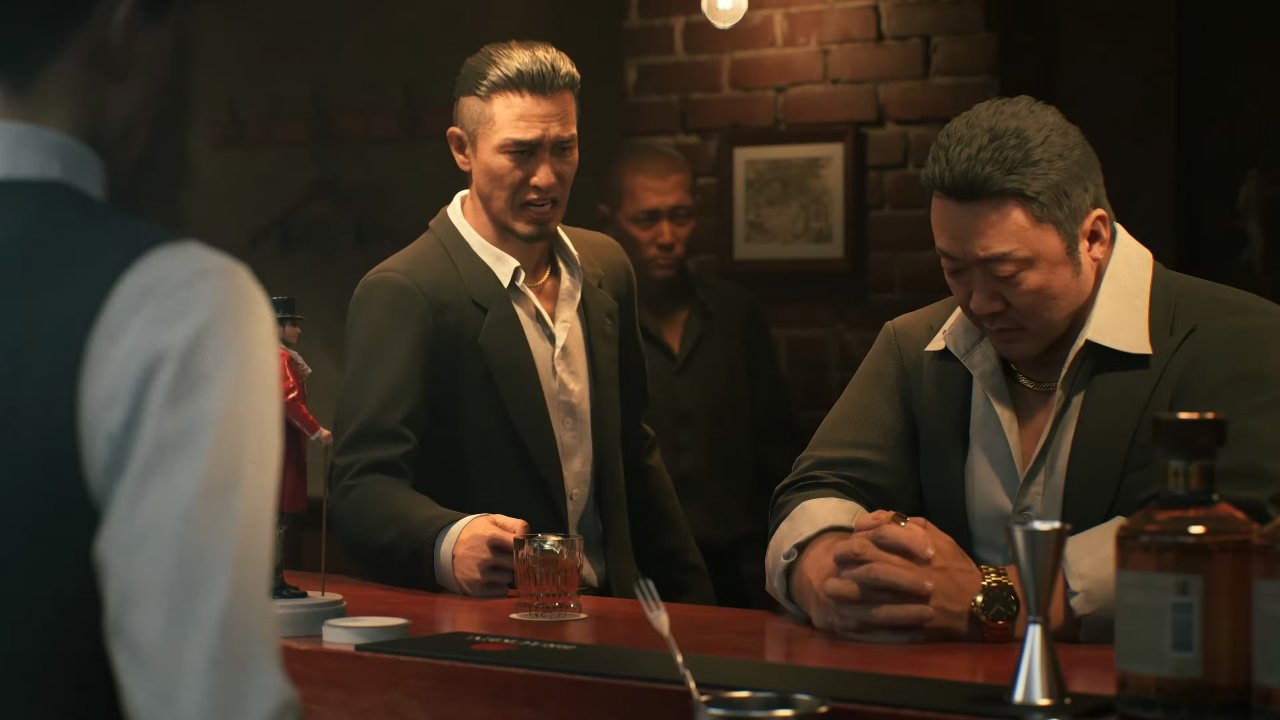
Toshihiro Nagoshi spent about 30 years at Sega and was a major force behind Yakuza and Super Monkey Ball.
In 2022, he set up Nagoshi Studio with financial backing from NetEase. On paper, the deal made sense. The Chinese publisher wanted a bigger presence in console gaming, and Nagoshi wanted the resources to build large, ambitious games.
The publisher even said publicly that the team would have full authority to manage and make the games it was passionate about. There was a catch, though. NetEase owned Nagoshi Studio entirely, which meant the team had creative freedom but no real financial independence.
In December 2025, Nagoshi Studio revealed its first game, Gang of the Dragon, starring South Korean actor Ma Dong-seok. Set in Tokyo's criminal underworld, it offered a gritty look and action that reminded many of the developer's earlier work.
It looked interesting, and after years of development, the team finally had something to show. A few months later, the situation changed. In March 2026, word got out that NetEase was preparing to cut off payments to Nagoshi Studio. According to an insider, the game needed another 7 billion yen, about $44 million, to finish. That is a lot of money to find for a project that still wasn't finished.
Nagoshi was reportedly looking for new investors, but money wasn't the only obstacle.
The same reports said that carrying on independently would require an agreement with NetEase to keep the game's assets and brand. So after years of work, Nagoshi Studio faced a problem that went beyond fundraising. On October 31, Nagoshi Studio was formally dissolved.
The announcement didn't explain why, though it came months after the reported funding withdrawal. Gang of the Dragon hasn't been officially canceled, but its future is uncertain. If you assume this is only down to one publisher, take a look at BioWare, the studio behind Mass Effect and Dragon Age.
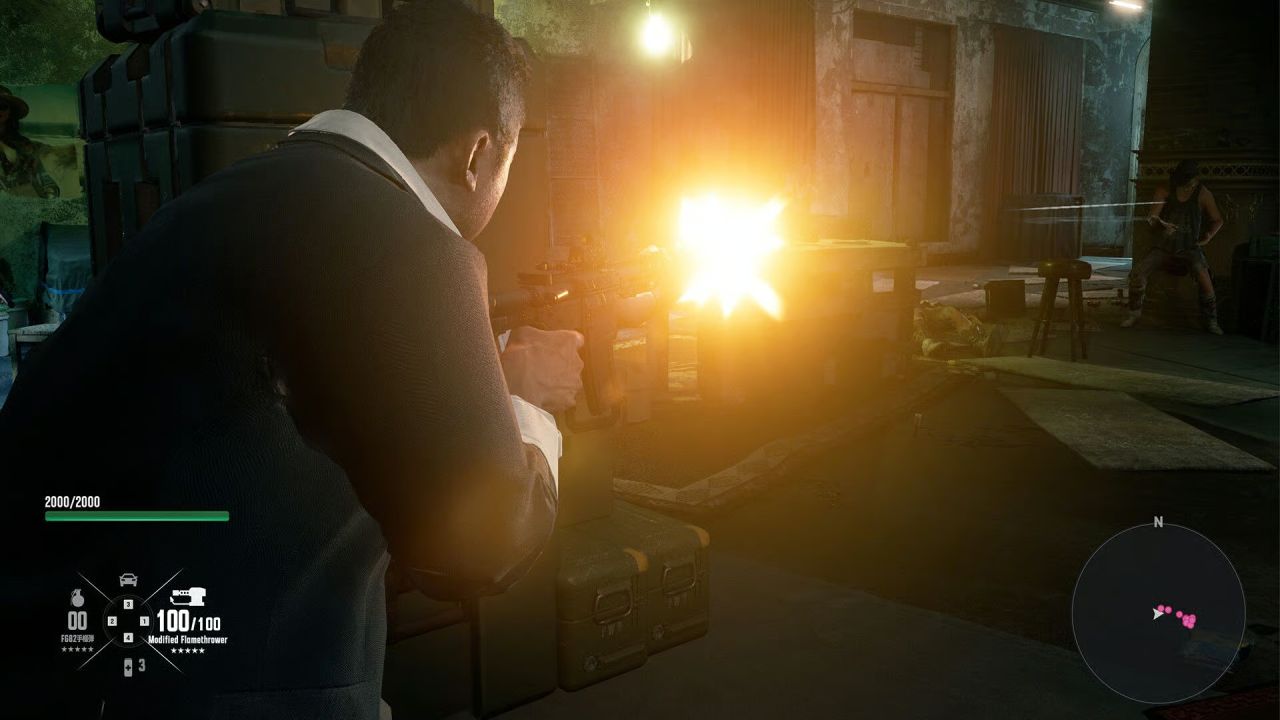
On October 21, EA announced that BioWare was closing and that early development on the next Mass Effect was ending. A few days later, an insider report claimed EA executives saw a new Star Wars: Battlefront as a less risky investment than Mass Effect.
That Battlefront project hadn't even entered production. Think about what that means: one of gaming's best-known RPG studios is gone, and its next Mass Effect game is canceled, while a project that hasn't started is treated as the safer bet. EA hasn't confirmed that explanation, but it offers a look at how it makes these decisions. Decades of experience and some of gaming's biggest franchises weren't enough to protect BioWare.
Publishers aren't charities.
Games cost money, budgets keep growing, and not every project will turn a profit. Still, it's hard not to be frustrated when a studio gets built around a legendary developer, is promised creative freedom, and then loses funding once the investment stops making sense.
Whoever controls the money decides whether you get to finish your game, and Nagoshi Studio's fate shows that clearly. The game looked promising, but Nagoshi Studio no longer exists, and the project's future is wide open. If another publisher steps in, you might still get to play it. Until then, it's a reminder of how fragile a fresh start can be in this industry.
Editor, NoobFeed
Related News
No Data.