
Project Helix and FSR 4.1 Signal Microsoft's Xbox Graphics Future
AMD FSR 4.1 is coming to Xbox Series X and Series S, bringing machine learning upscaling to improve image quality without requiring new hardware.
XBOX by Shinji Okazaki on Nov 03, 2026
AMD and Microsoft have confirmed that FSR 4.1 is coming to Xbox Series X and Series S, bringing machine learning-based upscaling to consoles released in November 2020. The technology aims to improve image quality, reduce visual artifacts, and provide cleaner details without requiring games to render every pixel at native resolution.
The announcement comes as reports suggest Microsoft's next-generation Xbox, Project Helix, could cost between $1,200 and $1,800. While that price remains unofficial, FSR 4.1 could give current Xbox owners another reason to keep their consoles for years to come. Before the official announcement, Xbox journalist Jez Corden had already created some excitement.
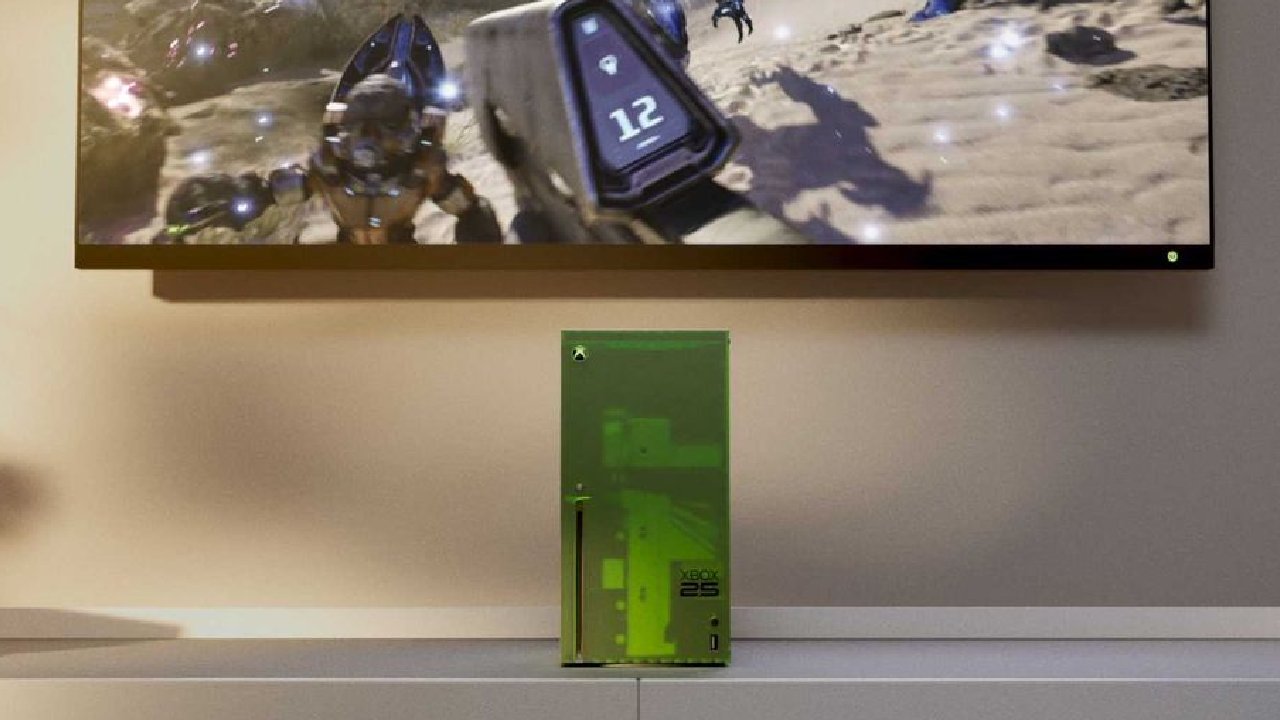
AMD and Microsoft Confirm FSR 4.1 Support for Xbox Consoles
Then, on October 20, AMD made it official. FSR 4.1 would expand to older Radeon graphics cards, gaming handhelds, and Xbox consoles. However, the biggest surprise was not simply that the technology was coming. It was that AMD had found a way to bring its machine learning upscaling system to hardware that was already six years old.
These consoles were designed in 2020, yet developers are about to gain access to a new way to improve game visuals. This could be useful as modern games continue to demand more graphics power. Instead of leaving these machines behind, Microsoft is preparing to give developers another graphics tool that could improve image quality, clean up details, and potentially help with performance.
The information comes from several reports and official statements. On October 20, 2026, AMD's official newsroom confirmed FSR 4.1 support for Radeon RX 6000 graphics cards and announced that Xbox Series X and Series S support was coming soon. The same day, Tom Warren at The Verge explained the expansion to Xbox consoles and handheld devices.
On October 21, Jez Corden at Windows Central reported that developers would soon get access and that some games could gain support during the holiday season. Meanwhile, Fortune's October 20 report discussed Microsoft's next-generation hardware plans, including an internally projected price of $1,200 to $1,800 for Project Helix.
What Does AMD FSR 4.1 Actually Do?
To understand why this matters, imagine playing a game on a 4K television. Normally, creating every single pixel at 4K requires a lot of graphics power. When a game becomes too demanding, developers often lower its internal resolution to keep the frame rate stable. This helps performance, but it can make the picture look soft or blurry.
FSR tries to solve that problem. It takes an image rendered at a lower resolution and reconstructs it to look sharper on the screen. Older versions already did this, but they had some weaknesses. You could sometimes see blurry grass, strange movement around objects, or fine details that appeared to shake as the camera moved.
This becomes important during actual gameplay. Have you ever played an open-world game where trees look fine when standing still but turn into a blurry mess when you start running? You may also have noticed fences and thin wires flickering as the camera moves. These are the kinds of visual problems that better upscaling can help reduce.
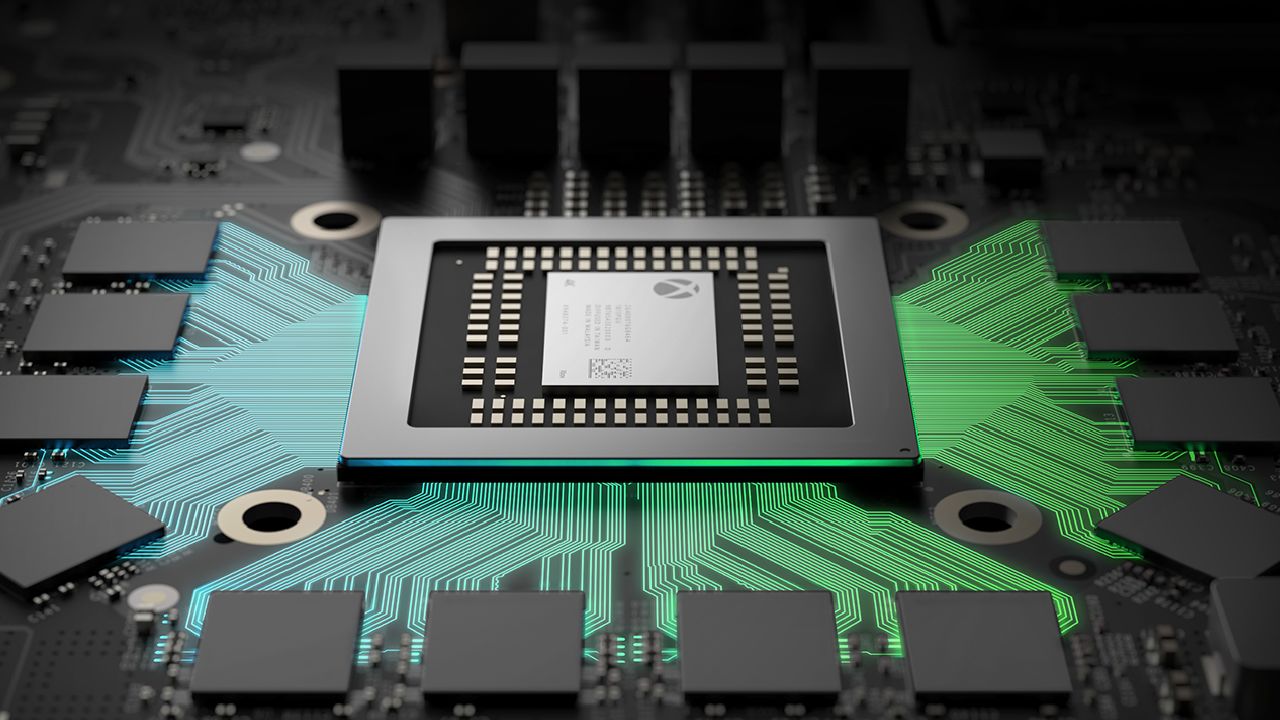
FSR 4.1 is designed to improve image stability during motion. Small objects should become easier to see, distant details may look more natural, and textures could appear cleaner while the camera is moving. Most players are not standing still and studying screenshots. We are driving, fighting, exploring, and moving through the game world. A game that looks sharp only when paused doesn't deliver the full benefit of its graphics.
One important point to understand before expecting too much from this upgrade.
FSR 4.1 is mainly an image reconstruction upgrade. It does not make the CPU faster or increase the console's memory. The machine learning process also uses some graphics resources. Switching from an older FSR version to FSR 4.1 at the same settings does not guarantee a higher frame rate. In some situations, performance could even be slightly lower.
The real opportunity comes when developers lower the internal rendering resolution while keeping the final picture looking good. That can free up resources for other parts of the game. Developers might then use that extra room to improve performance or visual settings, but the results will depend on each game.
For example, developers could choose to maintain a particular frame rate while using the available graphics resources elsewhere. However, FSR 4.1 alone cannot guarantee that a game running at 30fps will move to 60fps. The CPU, memory, game engine, and graphics workload will continue to affect the final result.
Editor, NoobFeed
Latest Articles
No Data.