
ILL Reveals Disturbing New Gameplay Details as Development Continues Towards 2027
Team Clout goes deeper into its ambitious horror project, describing how environmental events, realistic animations, and disturbing creature interactions are being crafted to make sure that every encounter is unsettling.
News by Tahmid Mahi on Nov 02, 2026
After years of shocking players with its disturbing creatures, brutal combat, and graphic body horror, ILL has finally received another substantial development update. Team Clout has shared some new behind-the-scenes info on how it’s constructing the world of the game, with special focus being placed on environmental interactions and animations that go on even when players aren’t looking directly at them.
The developers are also trying different versions of individual horror encounters, testing many ideas before choosing the ones that deserve to be part of the final experience. The latest update provides a better insight into the ambitious horror experience the studio is trying to build, as the game is still targeting a 2027 release.
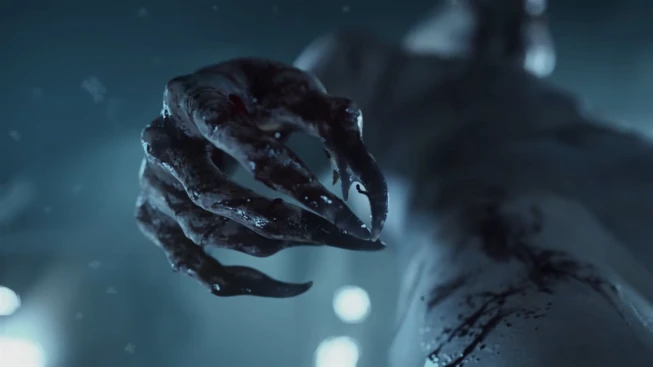
One of the more compelling things about the update is how Team Clout handles environmental events.
There are different kinds of animation, according to ILL's creators, including standard gameplay animations, cinematic performances that involve actors, and live events that occur in the environment itself. More recently the team has been focused on the third category, trying to make the world feel alive even when players are not actively interacting with everything around them.
It could make a big difference in first-person horror games. Jump scares in scripted encounters can become predictable when players learn the telltale signs of an impending jump scare. You walk into a room, you see something moving, and eventually a creature comes out because the game has set up that particular moment for you. Team Clout wants to make these situations feel more natural by adding environmental events that don’t always demand your attention.
One such example is a disturbing encounter in a room with a bathtub filled with water. The developers are now testing three different versions of this scene, each engineered to elicit a different response. The first version has players entering the room and seeing a pair of hands sticking out of the water.
The second version is somewhat different. Instead of slowly uncovering a body, players walk into the room and see a person floating in the bathtub. This creates an unsettling situation from the start, prompting players to examine the environment and consider what might have happened before they arrived.
But the third version could actually be a lot more disturbing. Players get a brief glimpse of a living creature in the tub, not a dead body. The creature sees them and slips silently into the water before they can really react. This creates a whole new kind of tension, as the players are left wondering where the creature went and if it's still around.
All three concepts are in the same environment, but the presentation of them creates entirely different horror experiences.
One focuses on discovering a body, another immediately establishes the aftermath of a disturbing event, and the final version introduces an active threat that reacts to the player's presence. The developers are testing these variations to determine which one works best once implemented inside the actual game.
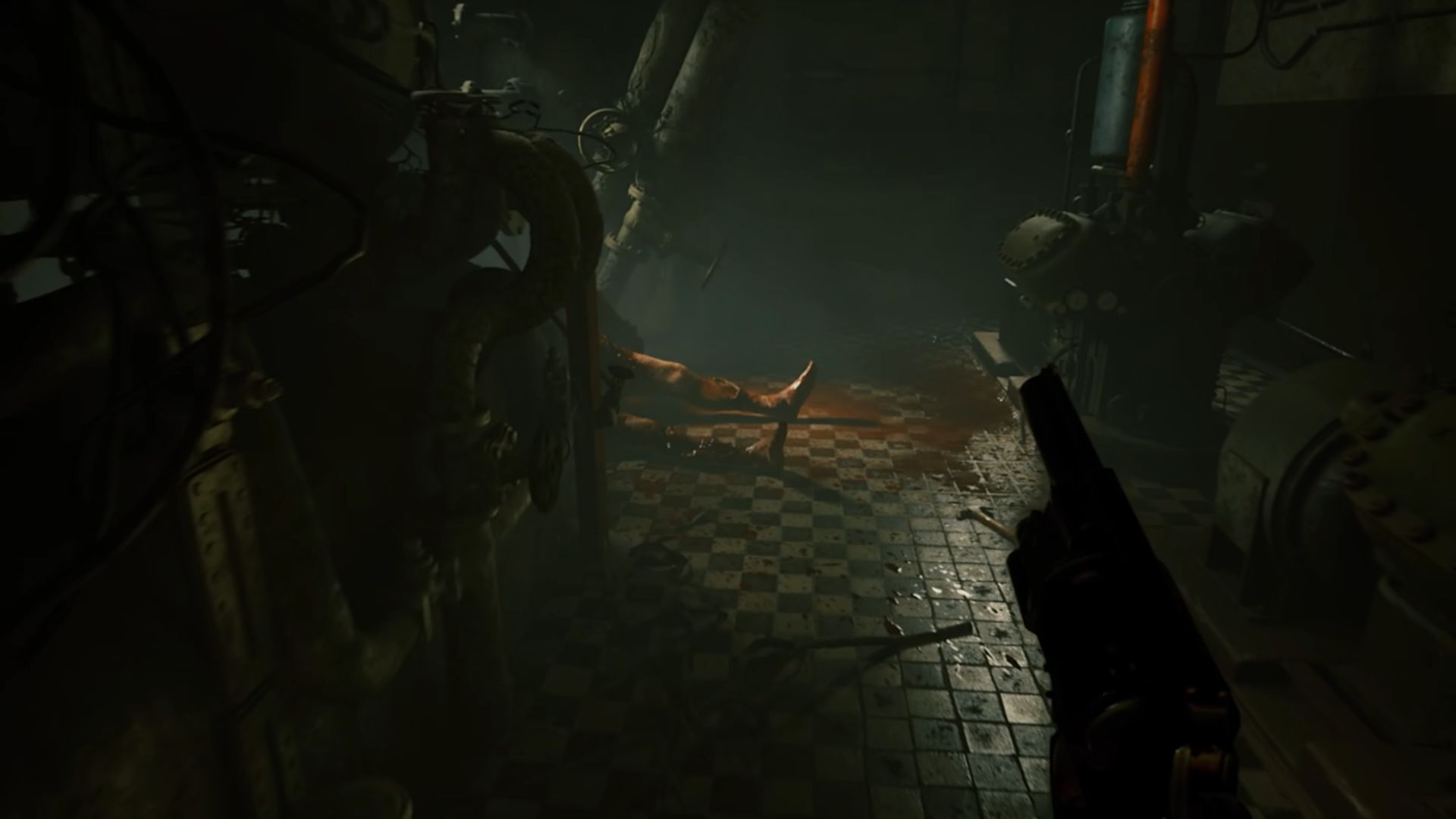
According to developer Oleg, the team can create as many as 20 different concepts for a particular area, initially implementing them as working animations to compare their effectiveness. But only three or four may remain in that place; the others are moved elsewhere or discarded. Importantly, this statement is not to say that ILL includes a procedural horror system that randomly changes encounters during playthroughs. The developers are speaking about their design process, not vowing that players will get randomly sent through multiple versions of the bathtub scene.
Another big part of the update is the animation technology behind these encounters. To achieve the level of realism it wants, Team Clout is using a combination of traditional keyframe animation, motion capture, and physics simulations. Most ideas start out with relatively simple hand-made animations, so developers can tell if an idea is working before investing more resources into it.
When an animation idea shows promise, the team can go to motion capture to obtain more realistic performances. But recording actors for each experimental idea would be expensive and time-consuming, especially since the team discards many ideas at the end. They want to try simpler animations first so that they can allocate their resources to ideas that have already shown promise.
Even motion-captured performances are not guaranteed to make it into the game.
Since ILL is entirely played from a first-person perspective, camera positioning becomes particularly important during close interactions with creatures and other characters. An animation that is believable from the perspective of an external camera may look unnatural when viewed through the eyes of the protagonist.
That means developers sometimes have to make very precise tweaks to hand movements, fingers, and camera positioning, while some performances are just thrown out entirely if they don’t translate properly to first-person gameplay. This level of attention is particularly important when every movement is viewed directly through the protagonist's eyes, as even minor animation inconsistencies can break the immersion.
Most of the cinematic sequences are also being kept in a continuous first-person view by the studio. “Cinematic moments need to be designed around the actual player experience,” explained Max Verhinn, co-founder of Team Clout, “and not just look good as a standalone scene. We’ve had to tweak some sequences that broke up the flow of the game or led to awkward transitions when we gave control back to the player.
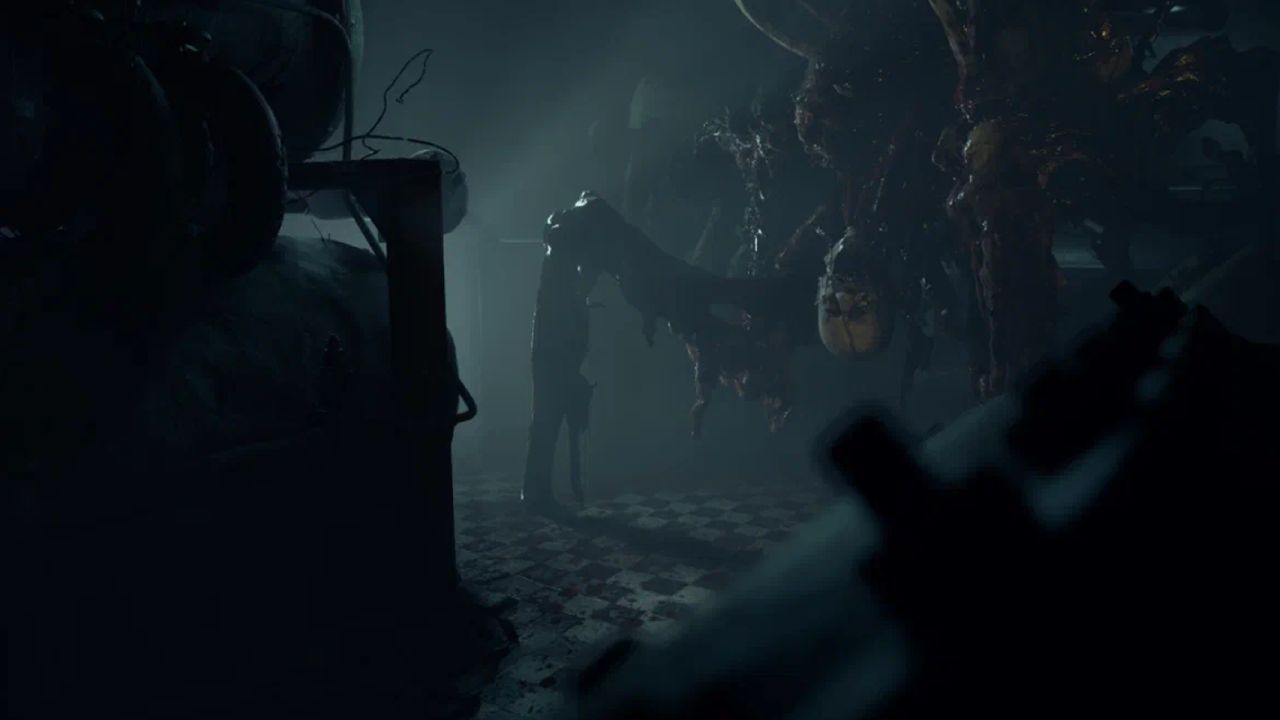
This means that the developers are paying a lot of attention to choreography, camera movements, and animation transitions.
Team Clout wants to make important encounters feel like a natural extension of the experience, rather than having to switch back and forth between gameplay and traditional cinematic presentation. This approach would make for especially disturbing scenes more immersive, as players will be plugged into the action rather than watching it all unfold from a separate perspective.
The update also features a few smaller environmental details that could contribute to ILL’s unsettling atmosphere. For instance, how injuries behave after damaging enemies. If players shoot a character or creature in the leg, blood can continue to pour out of the wound and drip onto the floor even after they look away.
Developers admit that this is not necessarily groundbreaking technology, but they feel it’s an important detail worth getting right. Instead of treating injuries as temporary visual effects that disappear when players stop looking, the team wants damage to have a more persistent presence within the environment.
ILL is still aiming for a 2027 release, so Team Clout has plenty of time to polish these systems and bring more improvements.
But the latest development update is a good sign that the studio is still actively working on the project. No release date has been announced yet, but the focus on environmental storytelling, animation quality, and realistic creature interactions points to Team Clout putting a lot of thought into the experience they want to provide.
For a horror game so dependent on uncomfortable encounters, these little details could end up being just as important as its bloodiest monster designs. I'll have a much more disturbing atmosphere rather than the predictable jump scares if it can get players to question what’s happening around them, even when it seems like nothing is moving.
Editor, NoobFeed
Related News
No Data.