
Sony’s PS5 Sales Growth Highlights Why PlayStation Exclusives Still Matter
Recent sales figures and the reaction to Wolverine demonstrate that console exclusive games are still a factor in purchase decisions, giving Sony another reason to double down on its first-party lineup.
PlayStation by Tahmid Mahi on Nov 02, 2026
Sony’s PlayStation 5 is on another hot streak in the market, and the latest sales figures have sparked a renewed debate on the importance of console exclusives. Many gamers will tell you that multi-platform releases are the best way to reach the largest audience, but recent events have shown that exclusives still play a significant role in convincing consumers to buy a particular console.
One of the big reasons the PS5 has been doing so well lately, according to sales analyst Matt Piscatella, isn't the hype around Grand Theft Auto 6 but the launch of Marvel’s Wolverine. This suggests that a strong first-party release can still influence console purchasing decisions, even when a major multiplatform title is generating enormous anticipation.
PlayStation 5 apparently saw a 22% year-over-year increase in sales in September.
The number is particularly interesting when you consider that the same month had already seen strong results the previous year when console sales increased by 10% versus the year before. This shows us that Sony’s recent success was not just a month that got lucky but that the console still had the appeal for people even when it was already a huge force in the market.
Many people initially believed that the excitement surrounding Grand Theft Auto 6 was the reason for the increase. September’s sales period also coincided with a lot of hype surrounding the upcoming release, so it’s reasonable to believe some consumers were buying a PS5 ahead of Rockstar’s next big title.
That marketing could reach people outside the regular gaming industry following. Hardcore players like to compare hardware specs, performance targets, and available games before buying a console. But more casual consumers may just see a game marketed as playing best on PlayStation and decide a PS5 is the safest purchase.
Piscatella, however, suggested that the sales boost was attributable to Marvel’s Wolverine. The game’s release coincides with a noticeable increase in PlayStation 5 sales, which puts to bed the idea that Grand Theft Auto 6 was the main reason for the console’s performance. "Sales reportedly spiked sharply around the time of Wolverine's release and then gradually dropped off over the next while."
Interestingly, the figures also appeared to improve again after Insomniac Games released an update that addressed several criticisms surrounding the game’s difficulty. Some players complained that the first experience was too easy, and so these changes gave them another reason to reconsider the release. That doesn’t prove every other PS5 purchase was directly tied to Wolverine, but the timing is an interesting insight into how a big exclusive can drive interest in a console.
Wolverine doesn’t have to be one of the greatest games of all time to do that.
If the release is strong enough, with an established character, a recognizable franchise, and appealing gameplay, it can drive consumers to buy the hardware necessary to play it. This is an important distinction to make in the exclusives discussion because a console manufacturer doesn't need every first-party title to be a generation-defining success.
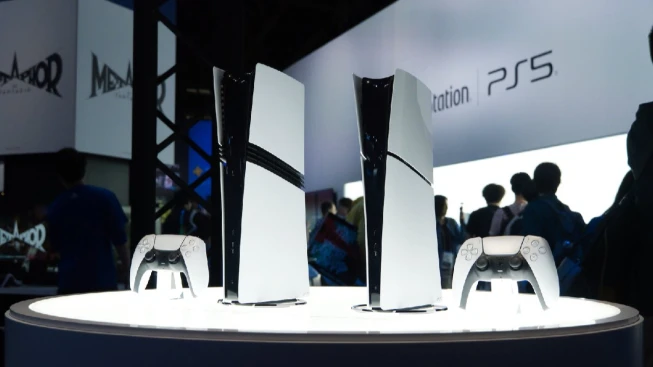
Sony’s approach also underscores how its strategy differs from Microsoft’s direction for the current generation. While some games have eventually made it to PC, PlayStation has continued to release big games tied to its hardware. Meanwhile, Microsoft has been increasingly making its first-party games available by bringing several releases to PC and PlayStation 5.
Some players have suggested that Sony should follow Microsoft’s example and release more of its games on rival platforms. The conversation has also focused on the commercial performance of games such as Final Fantasy 7 Rebirth, with some arguing that launching the titles on XBOX could have extended their reach to a broader audience.
For example, the Final Fantasy 7 remake trilogy has faced several problems that its platform availability alone can’t explain. It’s a huge undertaking to spread the original experience across multiple releases for consumers, and the changes to combat and overall presentation have been polarizing too. The games have been discussed, but they haven’t become the kind of releases that every gamer feels they must get.
There is also the question of whether XBOX has enough of an audience interested in these specific titles.
A game that does well on PlayStation might not do as well elsewhere, especially if the franchise doesn’t have a strong presence on that platform. So judging a game by how many platforms it’s available on can be a bad way to judge how well it’s doing commercially, because audiences are different.
The recent PS5 sales figures also make you question why Sony continued to support the PlayStation 4 for so long after its successor was released. Several big releases, like God of War Ragnarök, were released on both generations and were not limited to PS5. That approach allowed more players to access new games without buying more hardware but may have also reduced the urgency for existing PS4 owners to upgrade.
Some consumers may have upgraded earlier to gain access to play its newest releases had Sony gone down the PS5-only route. But keeping cross-gen game availability also allowed Sony to retain access to a much larger existing player base. It’s difficult to know how overall sales would have been affected by a different strategy, but the success of exclusives demonstrates why platform holders continue to see them as a core part of their business.
Another big lesson is around Sony’s investment in single-player games.
For years, the company has been known for its story-driven experiences and iconic first-party franchises. But its focus on live-service projects has led to questions about whether some of its biggest studios have strayed too far from the kind of games that earned them their reputations.
Live service games can also generate revenue over long periods, making them attractive to publishers seeking ongoing income. Helldivers 2 showed that this approach could work, but other projects like Concord and Marathon have struggled. The trick is to balance experimenting with multiplayer experiences and continuing to support the single-player releases that PlayStation audiences expect.
In the end, the impact Wolverine seems to have had on PS5 sales shows how important it is to have recognizable games that give consumers a reason to pick one console over the other. Sony doesn’t need every exclusive to be a massive commercial success, but it does need a steady stream that makes its platform attractive. While wider availability may benefit individual games, exclusivity remains a powerful tool for defining a console. If Sony continues to invest in the studios and experiences that made PlayStation popular, it could keep one of its biggest advantages in the console market.
Editor, NoobFeed
Latest Articles
No Data.