
Lenovo Legion Go 2 is Now One of the Worst Gaming Deals
Lenovo Legion Go 2 has lost its competitive edge as repeated price increases make newer handheld alternatives more appealing.
Handheld by Nahe Yan on Nov 03, 2026
Lenovo Legion Go 2 entered the handheld gaming market as a leading option for on-the-go PC gaming. Released in October 2025, it brought several changes over the original Legion Go, including an OLED display, detachable controllers, and the Z2 Extreme processor. However, multiple price increases have changed its position in the market.
When the Legion Go 2 launched almost exactly a year ago, it received some of the most attention and expectations a PC handheld had seen before the Steam Deck. It offered features many people wanted from the original model and made several changes to the experience, quickly becoming a popular choice in the handheld gaming community.
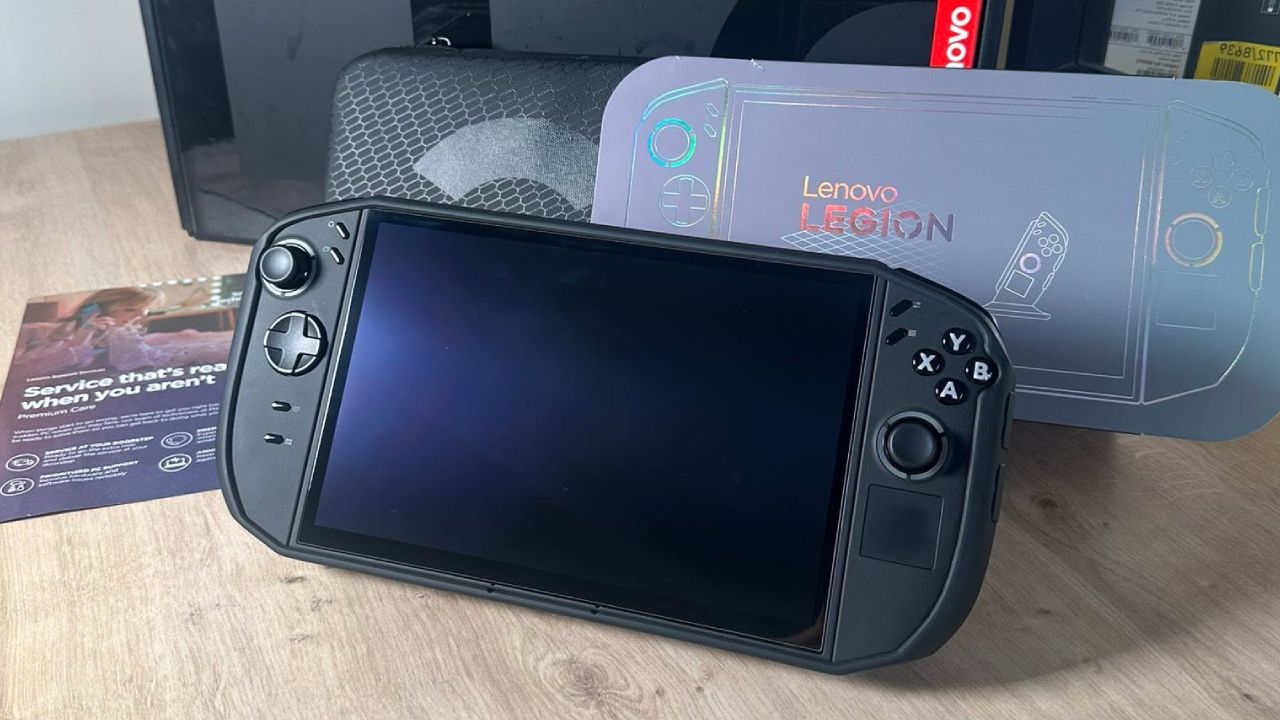
Lenovo Legion Go 2 Has Lost Its Value
However, over the same year, it has lost much of that initial confidence and attention. That doesn't mean it's a bad handheld. Far from it, the device still offers a good experience. But because of outside factors beyond Lenovo's control, the Legion Go 2 has quickly become one of the worst deals in gaming. Multiple rounds of price increases have changed the value proposition that the device originally offered.
At launch, the cheapest Legion Go 2 configuration with the Z2 Extreme processor cost around $1,300. Nowadays, finding anything other than the highest-end configurations with 32GB or more of RAM and at least 1TB of storage has become difficult. This means the starting price for the Legion Go 2 is now around $1,800 or more.
You might get lucky and find a deal at Costco, but not everyone has access to Costco, has a membership, or knows someone who does. That makes it difficult to find the device at a reasonable price. For most buyers, local retailers like Best Buy and Amazon are the main options, but few deals are available. Even open-box offers are limited and don't always provide much value.
The multiple price increases are probably the most damaging part of the Legion Go 2's current position. Just a couple of weeks ago, it received a third price increase, which is hard to justify now that the handheld market is much more competitive. When the Legion Go 2 launched on October 31, 2025, competition was limited.
Competition Was Limited When the Legion Go 2 First Released
Xbox Ally X was one of its primary competitors, but many people initially had concerns about the device. The Xbox full-screen experience was still incomplete and needed improvements, although Microsoft eventually addressed some of those issues. The display was another concern, as it still used a panel similar to the one in the original Ally.
The 7in 1080p 120hz IPS-type display was decent, but it wasn't comparable to the OLED display on the Legion Go 2. That display was one of the main reasons people considered Lenovo's handheld over the Xbox Ally X. The Xbox Ally X also hasn't received a price increase, likely because Microsoft has helped ASUS maintain its pricing without pushing the device above $1,000.
Other manufacturers like GPD, OneXPlayer, and AYN also existed, but they weren't competing at the same scale. This was still the beginning of a new handheld generation, and we hadn't even seen new MSI Claw models enter the market. A year later, the situation looks different. Panther Lake is now part of the handheld conversation, while Strix Halo has also become an option worth considering.
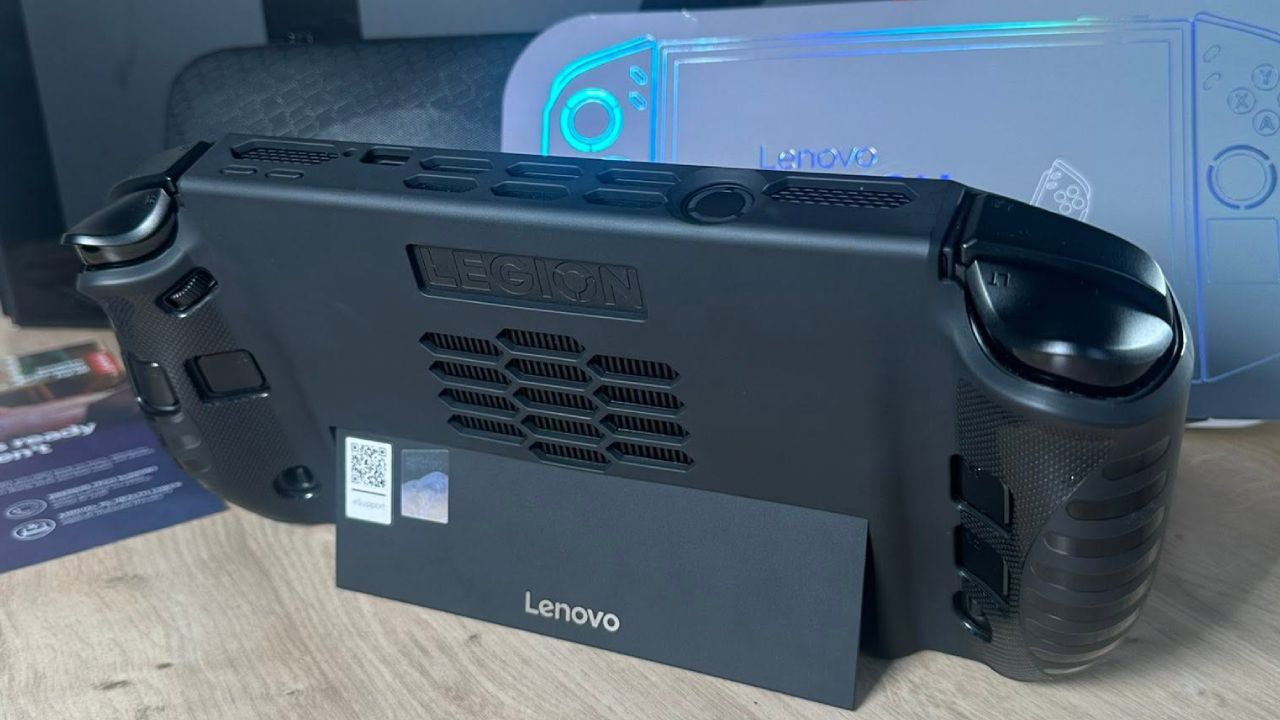
At least with a Strix Halo device, you're getting a significant amount of processing power.
Legion Go 2, on the other hand, uses the Z2 Extreme, which has become less competitive, especially after Panther Lake demonstrated its performance and pricing advantages. The discussion around which handheld offers the best value has also changed with the arrival of devices such as the Acer Predator Atlas 8, starting at around $1,300, and the OneXPlayer 3, which costs approximately $1,500–$1,600.
In some games, the OneXPlayer 3 offers almost double the performance. It also matches the Legion Go 2 in several features while costing almost $500 less. OneXPlayer 3 has an OLED display that matches the Legion Go 2's screen, though it's still unclear whether both devices use the same panel. It also offers detachable controllers, a kickstand, and a similar screen size.
Functionally, it offers the same features, so you're not compromising by choosing it over the Legion Go 2. Plus, it uses Intel processors that deliver higher performance while keeping the overall price lower. Those who purchased the Legion Go 2 at launch are probably still using a capable handheld and may not have many complaints about their current device.
You might feel a little envious of people using Panther Lake-based handhelds, but those options have only recently entered the conversation. For most of the past year, the Legion Go 2 was one of the more accessible ways to experience PC gaming on the go, offering a mix of features and performance that made it a competitive choice.
Editor, NoobFeed
Latest Articles
No Data.