
AMD Z2 Extreme Faces New Competition From Panther Lake
Panther Lake Handhelds Bring New Competition to AMD Devices Amid Rising RAM Costs and Higher PC Gaming Hardware Prices.
Handheld by Nahe Yan on Sep 22, 2026
The PC handheld market has reached a point where AMD is no longer the only major option for high-performance handheld gaming. For a long time, limited competition gave AMD-based devices a clear advantage, but new processors and rising hardware costs are changing that. At the same time, the RAM crisis has pushed prices higher across the market, making some handhelds much more expensive than expected.
For the longest time, because of the sheer lack of competition, there hasn't been a reason to really choose anything else. There hasn't been a reason to make anything else. And for that purpose, I think AMD has rested on their laurels a bit and let the competition come back in a way that is disadvantageous for them.
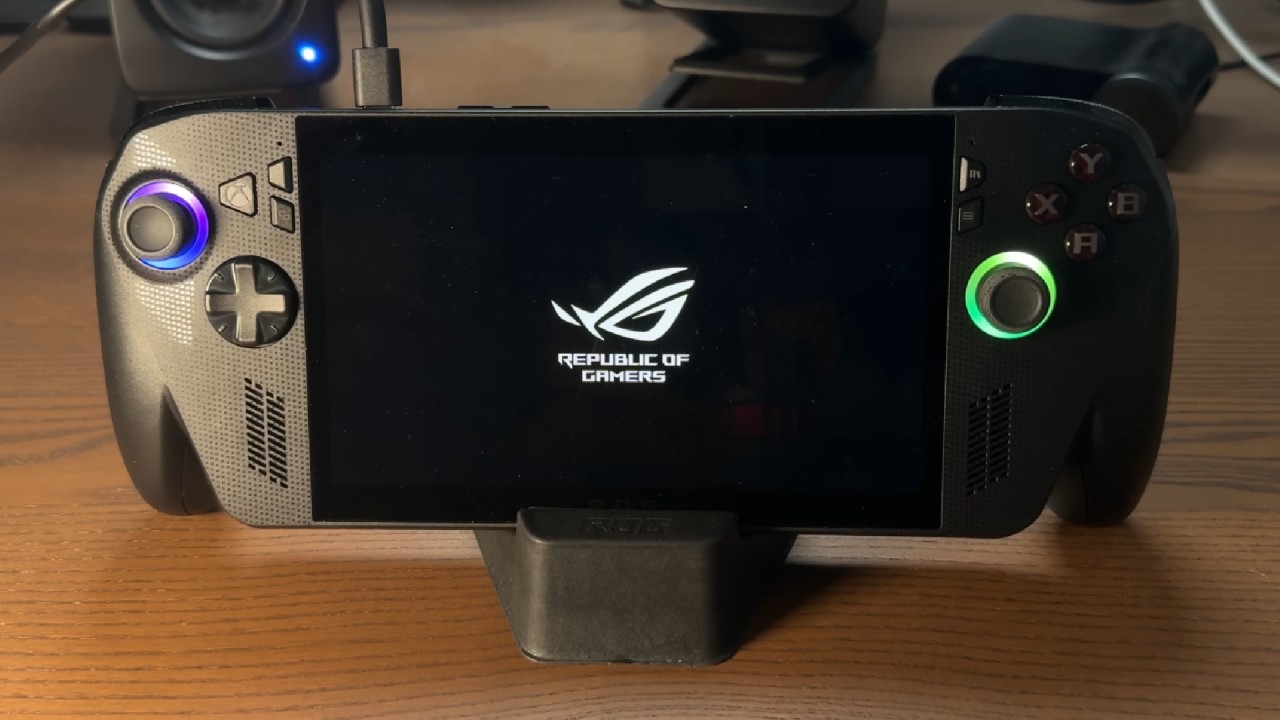
AMD PC Handhelds Face Higher Prices
It doesn't really hold up well by comparison. When some of the cheapest Strix Halo stuff starts at about $2,300 to $2,500, being just a few hundred dollars shy of something in a completely different league makes it tough to justify buying a Z2 Extreme-based handheld.
Other handhelds that have come out primarily with Intel chips have been remarkably good deals and consistently underdogged. When the first Intel handhelds came out, they had their issues. The first MSI Claw was not great. The AYN Loki wasn't great before it even switched to AMD; it was still on Intel, and still not good. After it switched to AMD, it still wasn't good.
A few Intel handhelds came out in those early years, and they just weren't all that great. A mix of poor design and weak processors made some of these things uninspiring. This was a Halo-tier product for the average consumer. It even beat the original ROG Ally X, which was at the time one of the fastest devices with some of the most memory capacity available in a PC handheld.
Panther Lake Brings More Competition
But then the Z2 Extreme products came out with the Xbox Ally devices, and the MSI Claw 8 EX AI Plus lost to them or matched them. It wasn't necessarily long-lasting in terms of success. Then Intel revealed the new Panther Lake generation and announced it was also making dedicated processors for PC handhelds.
Once we got some preliminary benchmarks and these processors started to find their way into laptops, it became clear AMD was getting put on the back foot a little. We got Strix Halo, which is one of the most powerful mobile SoCs you can realistically put into a PC handheld, but it's also very expensive.
Most people can't afford to spend $2,500 on a PC handheld, or in some cases significantly more in the case of an AYN Next 2, where the only available option is around $3,400 and can go as high as $4,000 or $5,000. I think that's what the new Panther Lake handhelds represent.
That entire suite of handhelds was announced earlier this year, and those devices have now either been announced, priced, or are currently purchasable. I've talked about a lot of these handhelds before, but this discussion is happening because we got pricing for the Acer Predator Atlas 7.
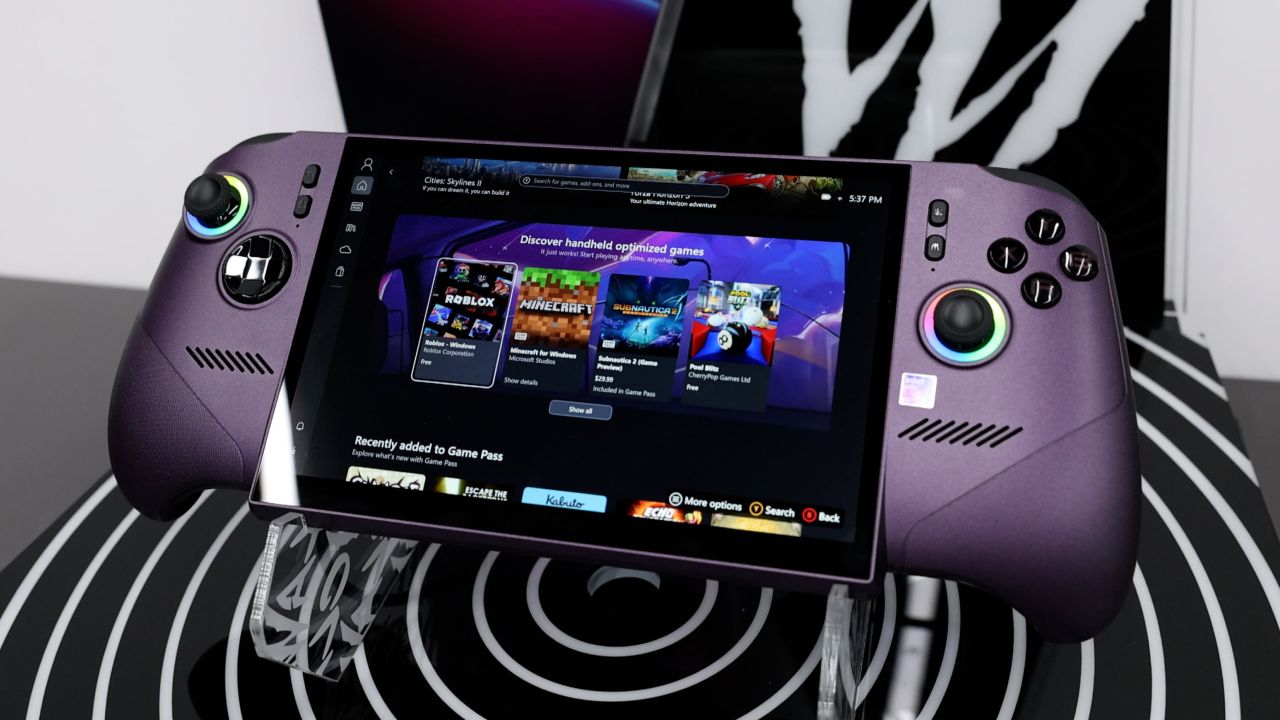
That is a lot of money, but in better times, these still probably would have been $1,000 handhelds. I don't think a world without the RAM crisis would necessarily mean these devices would still be below $1,000. Maybe they wouldn't be $1,800 and could be closer to the $1,000 to $1,100 price point that a lot of these handhelds were aiming for before.
Right now, they're priced between $1,500 and $1,800.
At least you're getting some of the best mobile performance. It is not quite as good as the Strix Halo, but it is still better than the Z2 Extreme, in some cases by significantly wide margins. It's not just a couple of extra FPS. We're talking about 20% to 30% more, and in some cases 50%, depending on the game. Sometimes they can get really close in games that are well optimized for AMD, and less so in Intel games.
You can have that flexibility with the Panther Lake handhelds, and I think, in the future, a lot of people might consider changing what processor they want in their handheld. Maybe this will make AMD more aware that they need to make better products.
Primarily, that means the white Xbox Ally. That is probably the cheapest new handheld available. As recently as a day or two ago, one could be bought used on Amazon for around $399, which is notable given the current market.
The PC handheld market is now facing more competition, and Intel's Panther Lake processors give manufacturers another option for devices that can offer performance closer to higher-end AMD handhelds without reaching the prices associated with Strix Halo systems.c
Editor, NoobFeed
Latest Articles
No Data.