
Legion Go 2 Price Hike Makes OneXPlayer 3 More Suitable For Gamers
Lenovo Legion Go 2 receives another 8% price increase, making competing handheld gaming PCs more appealing to buyers.
Handheld by Nahe Yan on Oct 15, 2026
Lenovo Legion Go 2 has received another price increase, bringing its cost to around $3,080 before taxes. Although this increase is smaller than the one reported earlier in the year, it raises questions about the device's value compared with other PC handhelds. Rising RAM and NAND prices likely contribute to the increase, while competing devices continue to offer lower-priced alternatives.
The Legion Go 2 has seen another price increase, although it is not as significant as the 49% increase reported in April. This latest adjustment is about 8%, raising the price from about $2,850 to $3,080. After taxes, the total could reach around $3,100. Another price increase is affecting the PC hardware industry, making the $3,100 Legion Go 2 harder to justify.
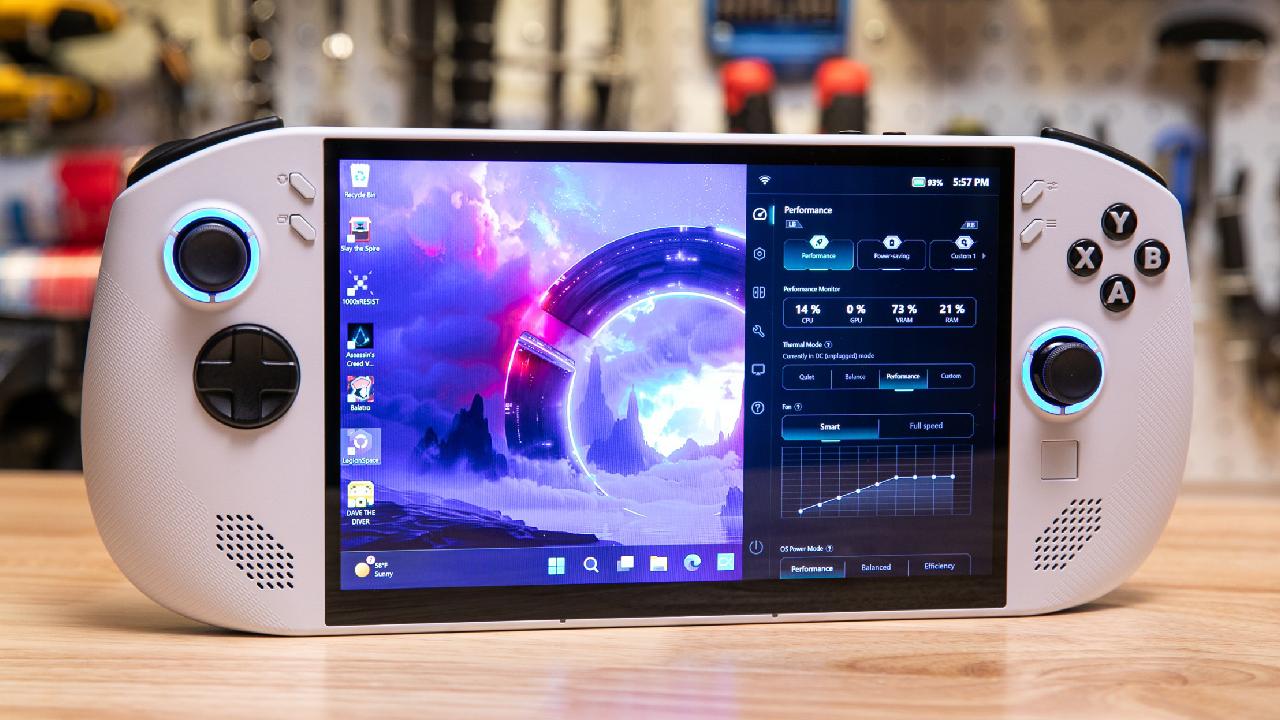
AYANEO NEXT 2 Offers an Alternative at a Lower Price
The latest price adjustment makes the Legion Go 2 more expensive than the AYANEO NEXT 2, which has also drawn attention for its price. The cheapest NEXT 2 configuration costs $3,000 and comes with the Ryzen AI Max 385. NEXT 2 features a Strix Halo APU with an integrated Radeon 8050S GPU. Depending on the workload, it can offer significantly more performance than the Legion Go 2.
The Legion Go 2's main advantage over the base NEXT 2 configuration is its extra 1TB of storage. However, the performance difference can make that storage advantage less important. A microSD card could help offset the NEXT 2's lower storage capacity, while the performance difference could be substantial enough to make the trade-off worthwhile.
At this price point, the NEXT 2 would be the preferred option for anyone considering a high-end handheld PC. Unfortunately, the device is currently unavailable, with all configurations sold out at the time of recording. Previously, the top two configurations were still available, but that is no longer the case. A restock may happen eventually, but there is no confirmed timeline.
OneXPlayer 3 Offers More Features for Half the Price
Other handheld PCs offer lower-priced alternatives to the Legion Go 2. OneXPlayer 3 with a Panther Lake chipset costs around $1,500, less than half the Legion Go 2's current price. Although the Panther Lake configuration doesn't deliver the same performance as a Strix Halo APU in every workload, it still offers substantial performance. It can outperform devices powered by the Ryzen Z1 Extreme.
Spending $1,500 on a PC handheld is still a significant commitment, particularly because these devices involve compromises compared with desktop PCs. However, the OneXPlayer 3 offers a combination of performance and features that makes its price easier to justify. The device features an 8.8-inch OLED display with a high refresh rate and VRR, along with detachable controllers.
It also supports accessories, including a keyboard folio and a controller grip-style attachment with a touchpad. These features provide more flexibility for different use cases. OneXPlayer 3 also offers a design and feature set that make it a more compelling option than the Legion Go 2, especially considering the price difference. An additional 8% increase makes the Legion Go 2 even harder to recommend when a competing device offers comparable display features.
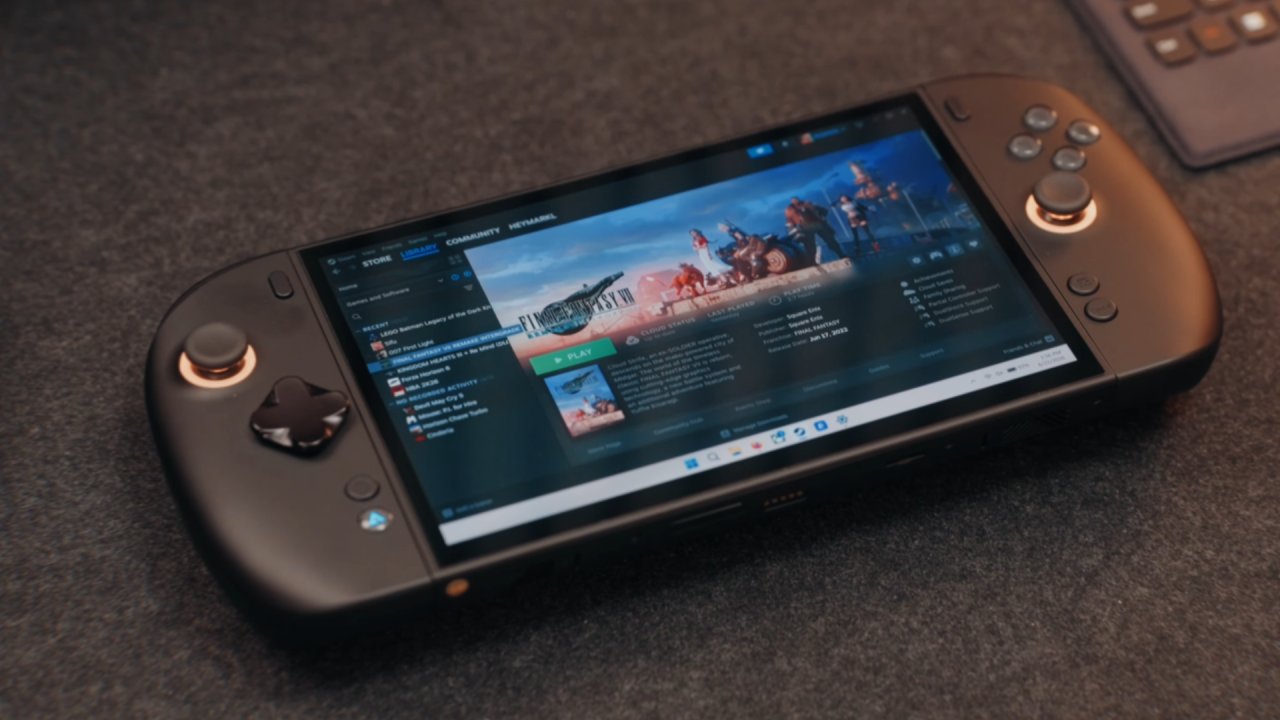
The Legion Go 2 was already expensive at launch.
The cheapest configuration with the Ryzen Z2 Extreme cost $1,300, while an entry-level version was reportedly available for around $1,000. However, that entry-level model came with the base Ryzen Z2 processor,16GB of RAM, and 512GB of storage. It has been difficult to find since launch, and its availability remains uncertain.
For buyers considering that lower-spec configuration, the Xbox Ally could be another option. Paying for an entry-level Legion Go 2 with limited memory and storage may not make sense when other handhelds offer alternatives at lower prices. The latest price increase likely reflects the ongoing RAM and NAND shortage, which has pushed memory and storage prices higher across the hardware industry.
The situation has not improved much since earlier price adjustments this year. Analysts project the market could remain under pressure until late 2027 or early 2028. If those forecasts hold, manufacturers may continue to face higher component costs, which could affect the prices of handheld PCs and other consumer hardware.
Editor, NoobFeed
Latest Articles
No Data.