
Lenovo Legion Go Beam Leak Reveals Android Handheld With Snapdragon Chip
Lenovo's upcoming Legion Go Beam could combine Android gaming, cloud streaming, and Qualcomm hardware in a more affordable handheld.
Handheld by Tanvir Kabbo on Nov 27, 2026
Lenovo's next Legion Go Beam could be an Android-based gaming handheld that focuses more on cloud gaming, remote play, and native Android titles than traditional Windows or SteamOS gaming. The latest reports point to a 7-inch 120Hz display, a Qualcomm Snapdragon chip, and Lenovo's Legion Space software, which could make it a cheaper option than current Legion Go handhelds.
Lenovo Legion Go Beam Could Run Android
Previous leaks have shown photographs of the Legion Go Beam, which has a white body with green accents, fixed controllers, bigger bezels, and no touchpad. The design suggested a streaming-focused device rather than a traditional Windows gaming handheld.
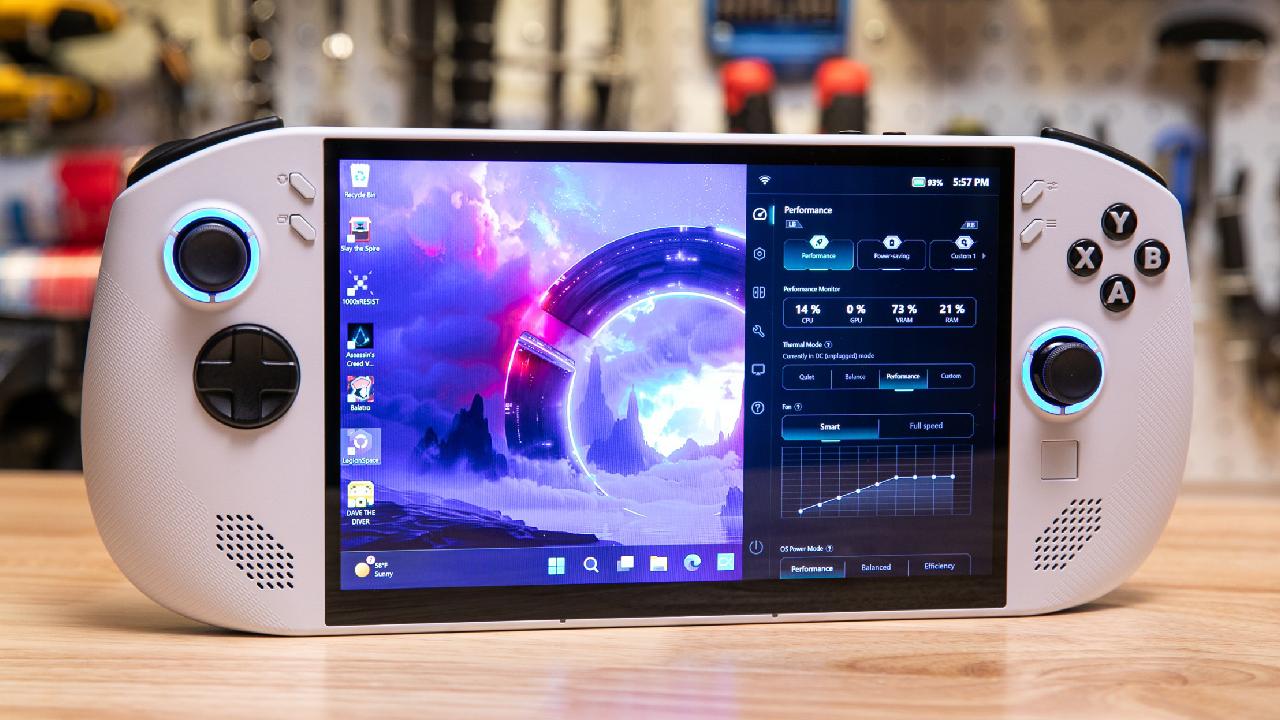
According to a new report citing an exclusive from Windows Latest, the Legion Go Beam appears to run Android instead of Windows 11 or SteamOS. Reported specs include a 7-inch 120Hz display, Wi-Fi 6E connectivity, and Lenovo's Legion Space software.
The device could support PC and console streaming, cloud gaming, native Android titles, and retro gaming compatibility. This means the Beam would not be exclusively a streaming device but would prioritize streaming while offering some local gaming capabilities.
Snapdragon G2 Gen 1 Could Power the Handheld
Windows Latest reportedly has information pointing toward Qualcomm's Snapdragon G2 Gen 1, although the processor could change before launch. The Snapdragon G2 Gen 1, released in August 2023, contains an eight-core Kryo CPU and Adreno A21 graphics. That's a fitting choice given the Beam's purported purpose, as Qualcomm developed it for mobile gaming, cloud gaming, and remote console play.
It could handle lighter Android games and retro emulation, and stream more demanding titles. Its relatively low power consumption could also mean Lenovo could offer better battery life than a standard Windows portable.
But in March 2025, Qualcomm launched the Snapdragon G2 Gen 2, saying it provided roughly 2.3 times the CPU power and 3.8 times the GPU power of its predecessor. Those are Qualcomm's figures, not independently validated data. If Lenovo goes with the older processor, it may help cut manufacturing costs and make the device cheaper.
Streaming-Focused Design Could Explain Hardware Choices
If the Legion Go Beam is mostly aimed at Android gaming and streaming, the earlier design details make more sense. A single USB-C port would be less concerning for a device focused on charging, cloud gaming, and remote play. Similarly, the absence of a touchpad wouldn't be a major limitation because the handheld wouldn't need to provide the same desktop navigation experience as a Windows device.
Windows Latest also mentions Lenovo's focus on long battery life. Although this remains marketing language, an Android system with a relatively modest processor could consume considerably less power. The display resolution and panel technology remain unknown. A 1080p 120Hz LCD would be a reasonable possibility for a device targeting an affordable price range.
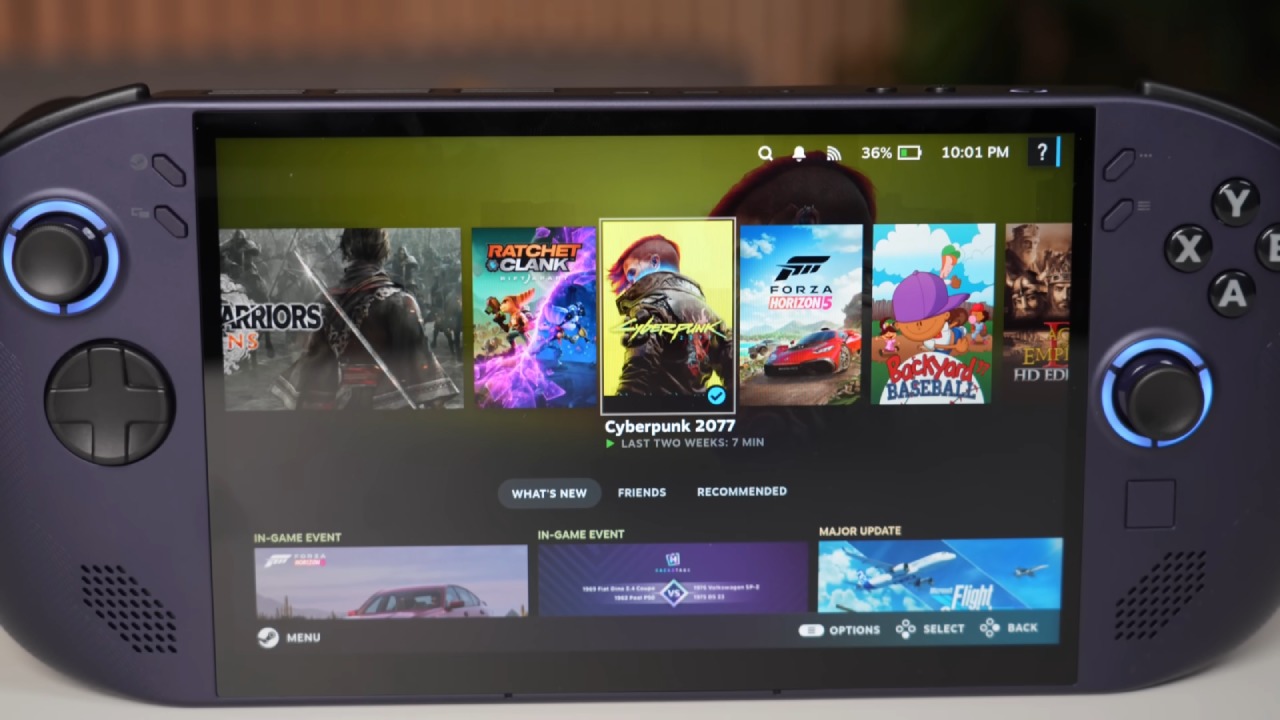
Lenovo Legion Go Beam Pricing Could Reach $350
Pricing could determine whether the Legion Go Beam attracts buyers. Windows Latest reportedly expects Lenovo to target approximately $250-$300, suggesting that a price approaching $400 could make the device harder to sell. The Logitech G Cloud launched at $299, while the PlayStation Portal launched at $249. Meanwhile, the Ayn Odin 3 Portal starts at $399 and offers a 7-inch 120Hz OLED display.
Lenovo also has experience with Android gaming handhelds through its C700, which launched for 2,199 yuan, or about $327. A price between $250 and $300 would make the Beam considerably more attractive. Even $350 could be reasonable depending on its display, battery capacity, and processing hardware. However, approaching $400 would put it against more capable Android handhelds.
Legion Go Beam Could Become an Affordable Gaming Alternative
If the latest information holds up, the Legion Go Beam could become a more affordable, streaming-first alternative within Lenovo's gaming handheld lineup. Lenovo seems to be taking a different tack, rather than going head-to-head with Windows or SteamOS machines, reportedly running on Android and a Snapdragon chip.
The portable could have retro emulation, Android gaming, cloud gaming, and remote console streaming. But its processor, RAM, storage, battery capacity, pricing, and release date are still to be established.
Lenovo's CES keynote will take place on January 6, but whether the Legion Go Beam will be part of the presentation remains to be seen. Handheld gaming devices are getting more expensive, so an affordable Android-based alternative could be an interesting addition to Lenovo's lineup.
FAQ
Q. Will the Lenovo Legion Go Beam run Android or Windows?
A. According to recent leaks, the Lenovo Legion Go Beam is expected to run Android rather than Windows 11 or SteamOS, although Lenovo has not officially confirmed the operating system.
Q. Which processor could power the Lenovo Legion Go Beam?
A. Leaked information points to Qualcomm's Snapdragon G2 Gen 1 processor, with an eight-core Kryo CPU and Adreno A21 graphics. However, the final processor could change before launch.
Q. What gaming features could the Legion Go Beam support?
A. The handheld could support cloud gaming, PC and console streaming, native Android games, and retro emulation, making it a streaming-focused device with additional local gaming capabilities.
Q. How much could the Lenovo Legion Go Beam cost?
A. Leaks suggest a potential price of $250-$300, although a price between $250 and $350 could also be possible depending on its final specifications.
Senior Editor, NoobFeed
Latest Articles
No Data.