
Intel Core Ultra 4000 Specs Leak: Core Ultra 9 4970K BFC Packs 28 Cores and 144MB Cache
Intel's Nova Lake-S lineup introduces massive cache configurations, higher core counts, and a new strategy to challenge AMD's Ryzen X3D dominance.
Hardware by Tanvir Kabbo on Nov 26, 2026
Intel appears to be preparing an aggressive challenge to AMD's dominance in desktop gaming CPUs with its upcoming Core Ultra 4000 'Nova Lake-S' lineup. Exclusive specs have leaked for the flagship Core Ultra 9 4970K BFC, including 28 cores, a 5.5 GHz boost clock, and a massive 144MB cache. More crucially, Intel appears to be building a specialized BFC product tier with Big Last-Level Cache (bLLC) that directly targets AMD's Ryzen X3D processors.
The leaked list also indicates Intel is returning to four-digit CPU names after the Core Ultra 200 and 300 series. Intel could be preparing a substantial architecture/platform change, with a new LGA 1954 platform coming with Nova Lake-S in Q1 2027.
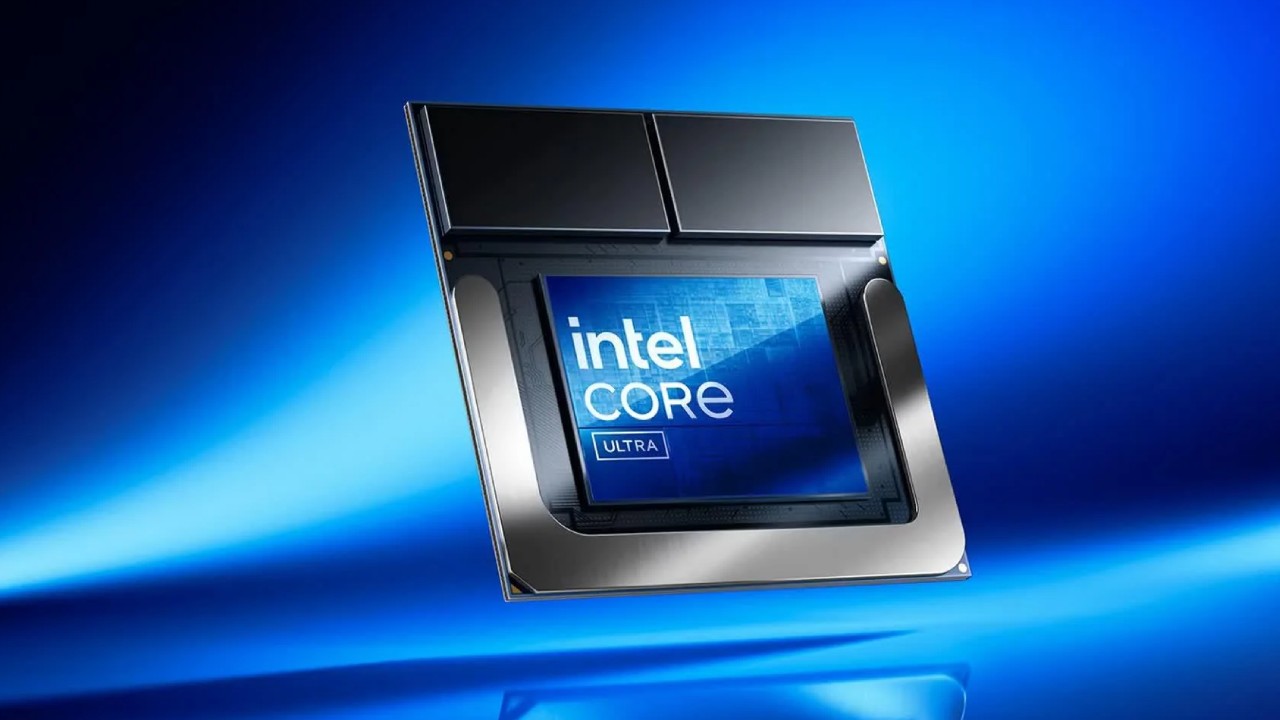
Intel Returns to Four-Digit Naming With Core Ultra 4000
Intel's reported move back to four-digit branding also better separates the forthcoming desktop generation. However, the more interesting development is the new BFC suffix, which reportedly identifies processors equipped with bLLC technology.
This suggests Intel is separating conventional high-core-count processors from models designed specifically to improve cache-sensitive workloads. AMD's 3D V-Cache has demonstrated how additional cache can improve gaming performance by reducing expensive system memory accesses. Intel's approach appears intended to compete in the same category without relying exclusively on higher clock speeds or additional cores.
Core Ultra 9 4970K BFC Brings 28 Cores and 144MB Cache
The flagship Core Ultra 9 4970K BFC is said to feature a 28-core hybrid architecture, comprising 8 Performance cores, 16 Efficiency cores, and 4 Low Power Efficiency cores. Other features include a 5.5 GHz boost clock, 125W TDP, and 32 EU integrated graphics.
The new LPE cores extend Intel's hybrid design beyond the classic P-core and E-core combination. They may handle background tasks and lighter workloads, freeing the main cores for demanding programs. But the gaming benefits rely on efficient scheduling and how well Windows distributes workloads.
The big talking point is surely the 144MB L3/bLLC cache. Games tend to reuse instructions and data, so larger caches can help reduce trips to system memory. Moving more frequently accessible info closer to the processor may enhance frame consistency, minimum FPS, and performance in CPU-intensive titles.
But more cache doesn't automatically translate into better gaming performance. Latency, bandwidth, and the underlying architecture will determine if Intel can translate its huge cache into real-world gains.
Another notable detail is the continued absence of Hyper-Threading. Like Arrow Lake, the leaked Nova Lake-S lineup reportedly disables the technology across its processors. Consequently, the flagship's 28 cores should not be confused with a 28-core,56-thread configuration.
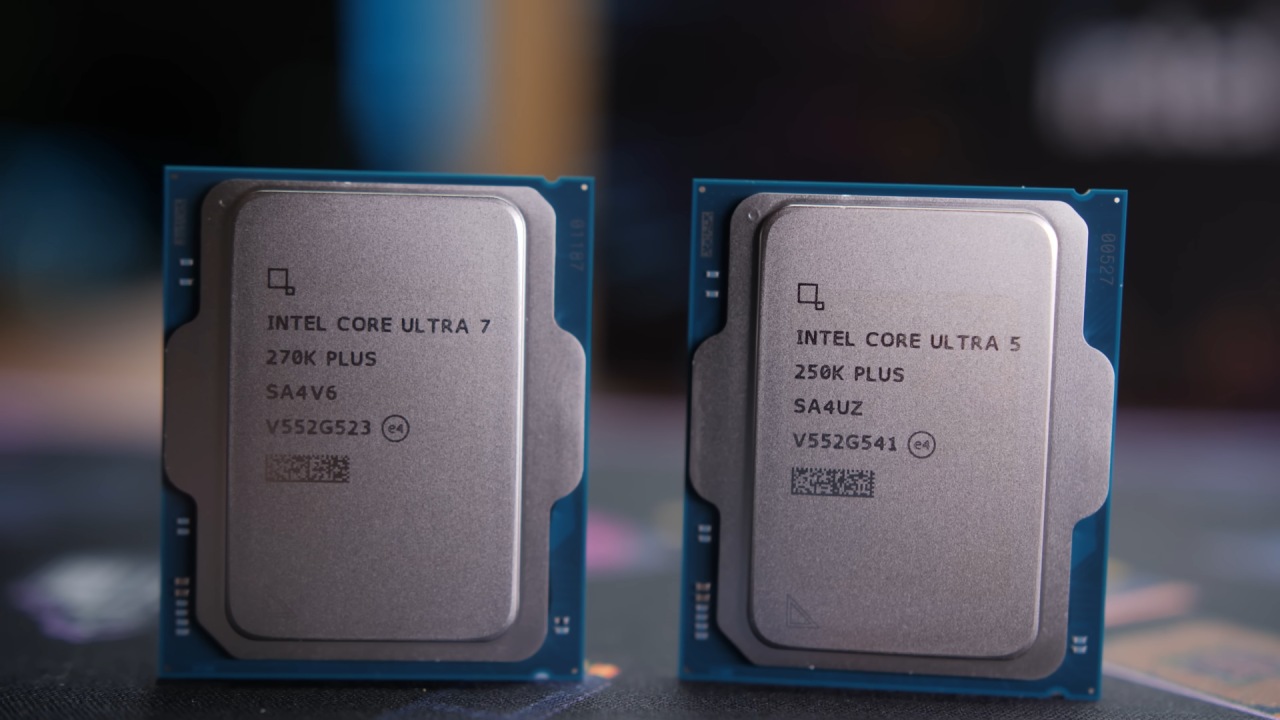
Core Ultra 7 4870K BFC Might Be the Real Gaming Sweet Spot
Despite the flagship's impressive specifications, the Core Ultra 7 4870K BFC could become the more interesting option for gamers. The processor reportedly features 24 cores while retaining the same 144MB bLLC cache as the flagship.
That's some interesting product segmentation. The Core Ultra 9 4970K BFC includes four LPE cores, though those extra cores may not be a big win for gaming. If both chips offer similar cache performance and gaming speeds, the Core Ultra 7 may offer better value for enthusiasts who care more about FPS than multi-threaded productivity.
The Core Ultra 9 4950K takes a different approach, featuring 24 cores through an 8P+16E configuration without bLLC or the additional LPE cores. Meanwhile, the locked Core Ultra 9 4900 BFC reportedly offers 22 cores and a considerably lower 65W TDP, while retaining bLLC.
This suggests Intel wants its cache-focused technology to reach beyond expensive unlocked flagship processors.
Intel's Answer to AMD Ryzen 3D V-Cache
Intel's bLLC approach directly threatens AMD's current advantage with the Ryzen 9000X3D CPUs. Rather than just boosting core counts, Nova Lake-S seems geared toward mitigating memory bottlenecks with much larger cache configurations.
However, for this strategy to work, Intel has to show it has competitive cache latency and bandwidth. AMD's advantage comes from how its 3D V-Cache integrates with the processor architecture, not simply the amount of available cache.
The reported LGA 1954 socket also means enthusiasts should anticipate a new motherboard platform. Upgrade costs could become an important consideration for existing Intel users, particularly if Nova Lake-S requires expensive motherboards and faster memory configurations.
FAQ
Q. What are the leaked specifications of the Intel Core Ultra 9 4970K BFC?
A. The Intel Core Ultra 9 4970K BFC reportedly features 28 cores (8 P-cores,16 E-cores, and 4 LPE-cores), a 5.5 GHz boost clock, 125W TDP, 32 EU integrated graphics, and 144MB of L3/bLLC cache.
Q. What does the BFC suffix mean in Intel Core Ultra 4000 processors?
A. The BFC suffix reportedly identifies Intel Core Ultra 4000 processors equipped with Big Last-Level Cache (bLLC) technology, designed to improve performance in cache-sensitive workloads, including gaming.
Q. Which Intel Core Ultra 4000 processor could be best for gaming?
A. The Core Ultra 7 4870K BFC could become a gaming sweet spot because it reportedly offers 24 cores and the same 144MB bLLC cache as the flagship Core Ultra 9 4970K BFC.
Q. When will Intel Nova Lake-S desktop processors launch?
A. Intel's Core Ultra 4000 Nova Lake-S desktop processors are reportedly expected to launch in Q1 2027 alongside the new LGA 1954 platform.
Senior Editor, NoobFeed
Gaming Hardware Updates
No Data.