
Bartlett Lake 12 P-Core CPUs Boot Natively on MSI Z690 and Z790 Boards With Unlocked Power Limits
MSI's latest BIOS updates unlock native Bartlett Lake support, bringing 12 all-P-core performance and unrestricted power configurations to LGA 1700.
Hardware by Tanvir Kabbo on Nov 25, 2026
Intel's Bartlett Lake-S processors have become an unusual obsession among LGA 1700 enthusiasts. These industrial-focused chips offer something Intel never brought to its mainstream desktop lineup: up to 12 pure Performance-cores (P-cores) with no Efficiency-cores (E-cores). However, getting them to work on conventional consumer motherboards previously required extensive BIOS modifications. MSI appears to have quietly removed that barrier with its latest firmware updates.
According to community testing reported, Intel's 12-P-core and 10-P-core Bartlett Lake processors can now boot natively on MSI Z690 and Z790 motherboards without modified BIOS files. More interestingly, enthusiasts report that CPU power limits remain fully adjustable, opening the door to considerably more performance than these processors typically receive on industrial platforms.
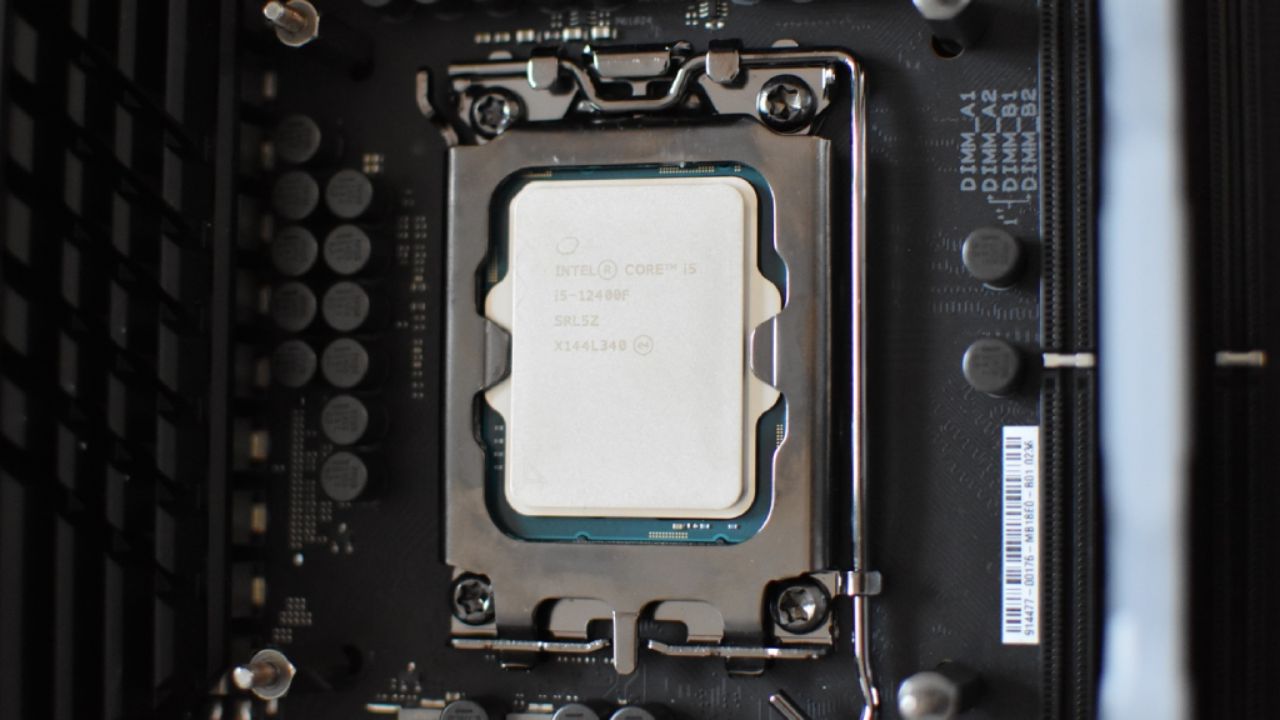
MSI Z690 and Z790 Boards Remove the BIOS Barrier
Previously, running Bartlett Lake-S processors on consumer motherboards was far from straightforward. Although these chips use Intel's familiar LGA 1700 socket, conventional desktop motherboard support lists did not include their industrial and embedded configurations. Enthusiasts therefore had to experiment with BIOS cross-flashing, firmware modifications, and microcode workarounds to get them recognized.
That situation appears to have changed with MSI's latest stock BIOS releases. Hardware enthusiast LovK2X demonstrated a Core 9 273PE qualification sample running on an MSI MEG Z690I UNIFY without any firmware modifications. The reported compatibility also covers 12-core Core 9 273PQE and 10-core Core 7 253PQE processors.
The explanation reportedly lies in MSI's inclusion of the D0670 processor identifier and corresponding microcode support. Interestingly, MSI did not explicitly mention these changes in the motherboard BIOS release notes.
For enthusiasts, this is more important than a routine compatibility update. Removing the requirement for modified firmware makes experimentation much easier and reduces the risks of manually altering motherboard BIOS files.
Unlocked Power Limits Could Transform Performance
The bigger surprise is MSI's handling of CPU power restrictions. These embedded processors are often run in a conservative power envelope on industrial platforms, with some implementations as low as ~125W. Such limits can prevent a high-core-count CPU from sustaining maximum performance under heavy load.
MSI's consumer firmware apparently lets you modify PL1, PL2, and ICCMax, giving enthusiasts significantly more flexibility over CPU power distribution. This matters particularly for the 12-core models, where maintaining high operating frequencies across all Performance-cores requires sufficient electrical and thermal headroom.
A capable Z690 or Z790 motherboard with strong VRMs and adequate cooling could therefore provide a much more interesting environment for Bartlett Lake-S than a restricted industrial board. However, unlocked power limits do not automatically guarantee higher performance. Voltage behavior, silicon quality, cooling, and motherboard power delivery will still determine the achievable clocks.
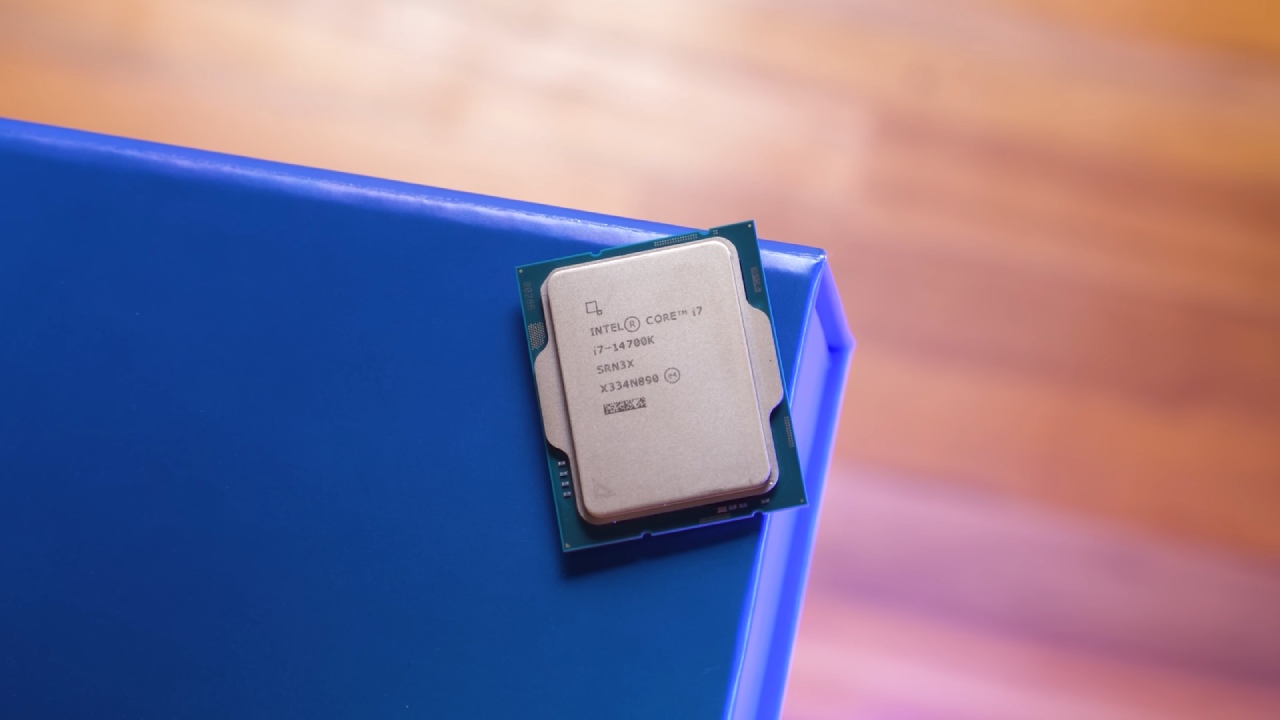
Why 12 Pure P-Cores Matter for Gaming
Bartlett Lake-S's biggest attraction is its unusual architecture. Intel's mainstream 13th- and 14th-gen desktop processors combine up to eight P-cores with additional E-cores. Bartlett Lake instead offers up to 12 P-cores and zero E-cores on the same LGA 1700 socket.
This homogeneous configuration eliminates the distinction between high-performance and efficiency cores. Windows no longer has to prioritize game threads across different core types, which may make scheduling more predictable for some workloads.
That's a fascinating proposal for competitive gaming and latency-sensitive applications. Windows scheduling methods and Intel Thread Director are key to making hybrid CPUs perform well. Although modern scheduling has improved considerably, background processes and game threads can still introduce additional complexity.
An all-P-core design removes that particular variable. The larger number of full-performance cores could also benefit heavily threaded applications, particularly workloads that cannot efficiently use E-cores.
However, additional P-cores do not automatically translate into higher FPS. Ring-bus frequency, cache capacity, memory latency, and game-engine optimization remain important. Bartlett Lake's homogeneous architecture is an interesting option, but independent gaming benchmarks will determine whether it offers a real edge over existing Core i9 processors.
Memory Restrictions and Availability Remain Major Problems
Despite the BIOS breakthrough, Bartlett Lake-S still has considerable limitations. The most frustrating is memory tuning. MSI's firmware reportedly allows enthusiasts to adjust memory timings, but DRAM frequency multipliers remain locked, typically restricting configurations to DDR5-5600 JEDEC speeds.
That limitation could become particularly noticeable in gaming. Modern Intel desktop processors benefit considerably from faster memory configurations, and being restricted to DDR5-5600 could undermine some of Bartlett Lake's potential advantages.
Availability is another obstacle. The Core 9 273PE/273PQE and Core 7 253PQE are industrial processors rather than conventional retail desktop products. Interested buyers must turn to specialist sellers and grey-market importers rather than conventional outlets.
MSI also has no obligation to keep this compatibility around forever. Intel and motherboard makers can drop support in future firmware upgrades without formally acknowledging it.
FAQ
Q. Can Intel Bartlett Lake-S CPUs run on MSI Z690 and Z790 motherboards without BIOS modifications?
A. Yes. MSI's latest stock BIOS updates reportedly support Bartlett Lake-S processors natively on compatible Z690 and Z790 motherboards without requiring BIOS cross-flashing or firmware modifications.
Q. How many Performance-cores do Intel Bartlett Lake-S processors offer?
A. The highest-end Bartlett Lake-S models, including the Core 9 273PE and 273PQE, feature 12 P-cores and zero E-cores, while the Core 7 253PQE offers 10 P-cores.
Q. Are Bartlett Lake-S CPU power limits unlocked on MSI Z690 and Z790 motherboards?
A. Yes. Community testing indicates that MSI's firmware allows power limit adjustments, removing the restrictive 125W configurations commonly associated with industrial platforms.
Q. What are the main limitations of running Bartlett Lake-S processors on consumer motherboards?
A. Memory frequency tuning remains restricted, typically limiting configurations to DDR5-5600 JEDEC speeds. These processors are also difficult to purchase because they are industrial products primarily available through grey-market sellers.
Senior Editor, NoobFeed
Gaming Hardware Updates
No Data.