
Intel’s 12 P-Core Bartlett Lake CPU Beats i9-14900K in Gaming
Intel’s experimental Bartlett Lake chip demonstrates how a pure 12 P-Core design can outperform hybrid architectures in gaming workloads.
Hardware by Tanvir Kabbo on May 05, 2026
Intel's hybrid architecture has characterized desktop performance in the past few generations, with performance cores (P-cores) balanced with efficiency cores (E-cores). Paperwise, chips such as the Core i9-14900K, with its 8 P-cores and 16 E-cores, embody that philosophy. However, an odd exception to Intel's embedded product range is now posing a challenge to that assumption in the most surprising way.
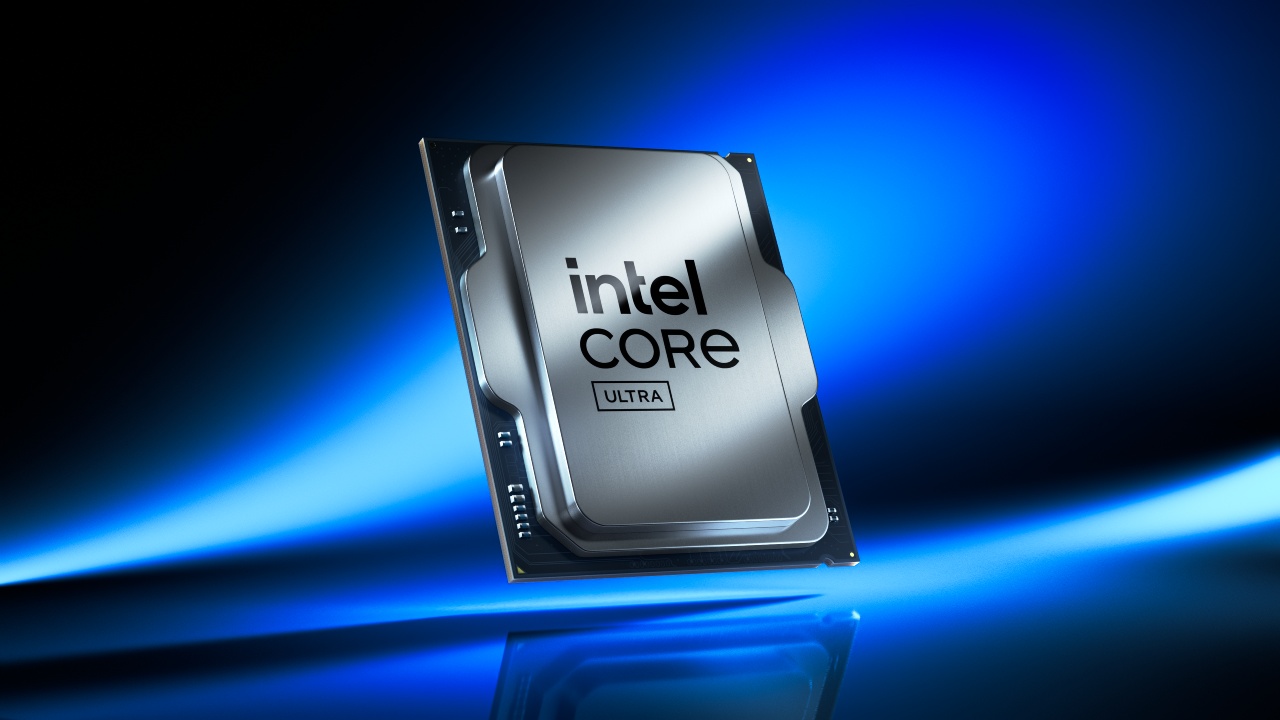
Let us introduce a niche platform called Bartlett Lake, designed for commercial and embedded applications. The heart of this experiment is the Core 9 273PQE, a processor that has nothing to do with the hybrid model but is pure: 12 P-Cores and zero E-Cores. It is not aimed at gamers, yet in the right hands, it is doing better than the Intel flagship consumer CPU in the one area that really matters in gaming.
The Custom Benchmark That Shouldn’t Exist
This is an odd outcome for a German YouTuber known as Zed Up, who successfully got the Core 9 273PQE to run on a typical LGA 1700 motherboard, which was never intended to run the Core. To do it, a custom BIOS flash was required, which virtually requires compatibility with a chip not officially supported by mainstream boards.
In fact, the outcomes could not be overlooked once the operations were made. In a series of modern AAA titles, the Bartlett Lake chip provided an average uplift of 59% in FPS over the Core i9-14900K. Games such as Shadow of the Tomb Raider, Horizon Zero Dawn, and Monster Hunter: World have demonstrated significant improvements, suggesting that the simplified core layout offers real benefits in real-world gaming workloads.
Intriguingly, the narrative varies slightly across esports titles. In such games as Counter-Strike 2 and Rainbow Six Siege, the 273PQE was either equal to or slightly lower than the 14900K. These names tend to scale differently, with a preference for extremely high clock speeds and thread-scheduling optimization rather than uniformity across the underlying Core.
Why Pure P-cores Triumph in Gaming
The 12 P-Core design has no magic; it reflects the behavior of modern game engines. The vast majority of applications remain CPU-bound, using only a small number of high-performance threads, with diminishing returns beyond a certain number of core threads. Consistency, latency, and keeping the critical threads on the fastest possible cores are more important.
The hybrid architecture, though powerful, brings about complexity. Thread scheduling between P-cores and E-cores heavily depends on the Intel Thread Director and OS-level optimizations. Despite Windows scheduling improvements, there are still edge cases in which workloads oscillate between core types, leading to latency penalties.
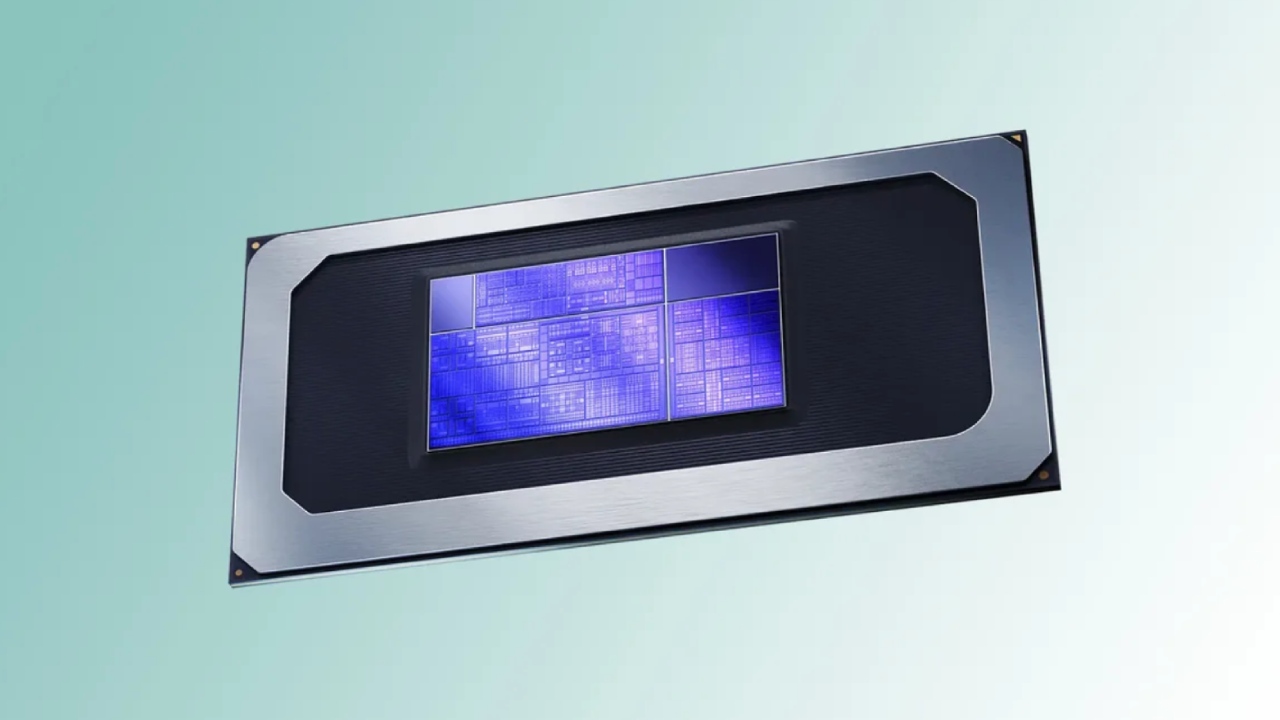
Bartlett Lake avoids this completely. The equation has no E-cores, so all threads run on full-performance cores. No ambiguity, no scheduling overhead, and no requirement that the system make decisions as to where a task fits in. In the case of gaming, it translates into more executable, predictable performance.
The homogeneous core design can lead to improved cache behavior and reduced inter-core communication delays, which contribute to the observed FPS improvements. It is an admonition that, in some workloads, simplicity may be more effective than complexity, even when the latter is theoretically more effective.
These results are as convincing as they may be, but they come with a reality check.
Core 9 273PQE does not represent a consumer product. It is built on an embedded system, meaning it is not very accessible, the price is not always the same, and it is not possible to support the platform without significant tweaking.
This chip requires a custom BIOS, extensive technical expertise, and a sense of adventure to run. Even a successful sourcing effort would be offset by the high overall platform cost and effort, versus the small gaming payoff compared to readily available Core i9-14900K or other 14th-gen Intel processors.
Bartlett Lake is an intriguing glimpse into an alternative design philosophy-where pure P-core designs may still find a role in gaming-oriented CPUs. But for others, it is an experiment better observed at a distance.
The point is not that Intel's hybrid strategy is wrong. Instead, it emphasizes that gaming workloads remain particularly sensitive to core design and scheduling. And occasionally the strangest hardware may reveal the truths which mainstream products are happy to toil about.
Senior Editor, NoobFeed
Gaming Hardware Updates
No Data.