
PC Hardware Prices Surge in August as Component Costs Continue to Rise Globally
Rising hardware prices and uncertain supply continue shaping the smartest time to build a gaming PC with long-term value.
Hardware by Nahe Yan on Aug 04, 2026
PC hardware prices have been moving in the wrong direction for months, and there are few signs that the trend is slowing down. Graphics cards, memory, and storage continue to become more expensive, leaving many PC gamers wondering whether it's worth buying now or waiting for better prices.
At the same time, many people are also asking whether spending more today could save money over the long run by avoiding future upgrades. A lot of PC gamers like the idea of buying one powerful system and keeping it for the next decade. On paper, that sounds like a smart investment.
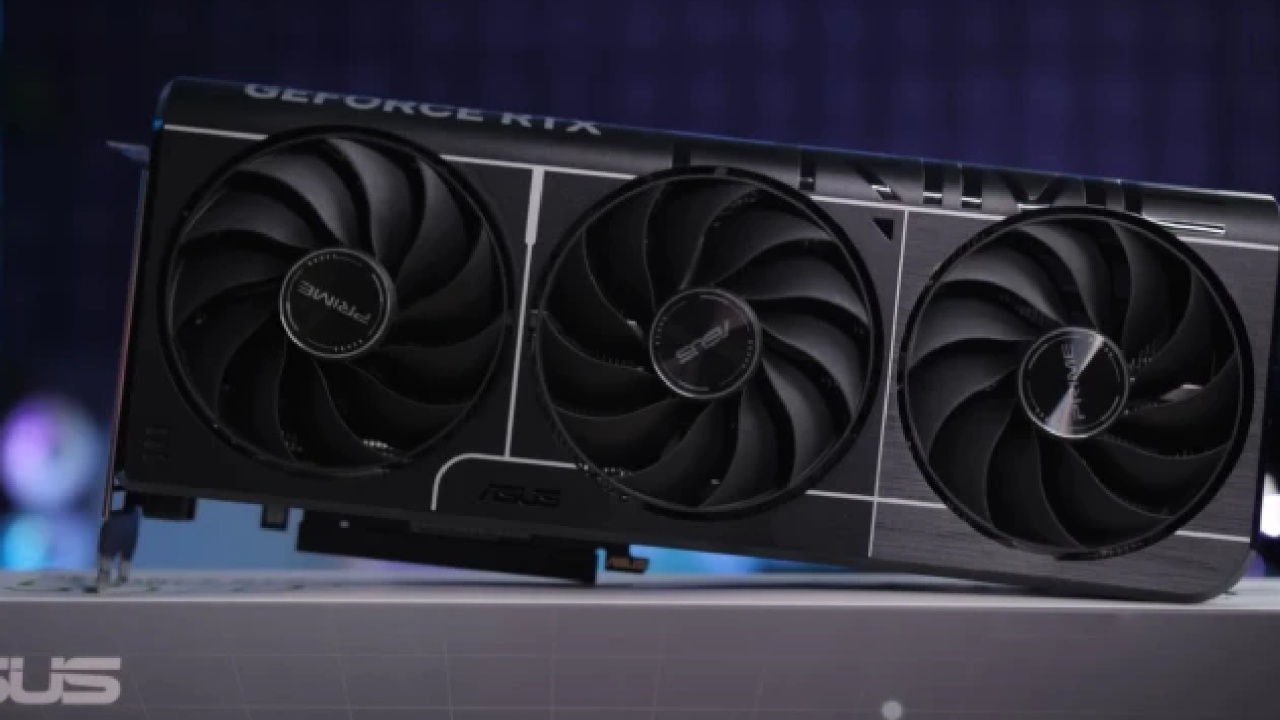
If upcoming consoles end up delivering graphics performance around the level of an RTX 5070 Ti, today's high-end gaming PCs should remain competitive for quite some time.
Can a High-End Gaming PC Really Last 10 Years?
The problem is that the PC industry rarely works that way. Graphics cards don't become slow overnight, but game requirements continue to grow. New rendering techniques, larger worlds, more advanced ray tracing, and new graphics features all raise the hardware requirements over time. Even if you buy one of the fastest GPUs available today, nobody knows what developers will expect five or 10 years from now.
Not everyone needs to buy an entire PC in one shopping trip. One approach is picking up components whenever they reach prices that feel reasonable. That could mean finding a discounted mini-ITX motherboard today, grabbing a Ryzen 5 7500F processor a few weeks later, and waiting for SSD prices to improve before buying storage.
A 2TB SSD purchased during a sale may cost noticeably less than buying the same drive when demand spikes again. We think this strategy works well if you're building a system without a strict deadline. Instead of chasing the latest release, you can focus on getting solid value from each individual component.
Is It Better to Buy Now or Wait?
This is probably the biggest question right now, and looking at the current market, buying sooner appears to be the safer option if you already plan to upgrade within the next 6-12 months. Recent price increases have shown how quickly the market can change. Some hardware has already jumped by around35-40% because of shortages and rising manufacturing costs.
The important thing to remember is that retail shelves don't immediately reflect what's happening behind the scenes. However, if you're already planning to build a new PC or replace aging hardware sometime within the next year, waiting could simply mean paying more for the same components. Interestingly, not every category appears equally affected.
Displays, monitors, speakers, mice, and other peripherals haven't seen the same level of price pressure as graphics cards, memory, and storage. Since those products don't rely as heavily on expensive memory components, they've remained relatively stable compared to core PC hardware. There's also an interesting possibility if component shortages continue.
Manufacturers may eventually scale back unnecessary smart features in televisions and focus more on producing simple displays. For many users, that wouldn't be a bad thing. Plenty of people would happily trade built-in software for a lower price and a cleaner experience. PC monitors already come close to offering exactly that, even if they're not completely immune to their own pricing challenges.
Why Hardware Prices Keep Going Up
At its core, the current situation comes down to supply and demand. Demand for advanced chips and memory keeps growing, while expanding manufacturing capacity takes years. New semiconductor facilities aren't something companies can build overnight, so even when manufacturers recognize the demand, it takes a long time before production catches up.
The market will eventually adjust. More factories will come online, production capacity will increase, and supply should improve. The challenge is getting from where we are today to that point. Right now, nobody seems confident about how long that process will take. Hardware manufacturers continue adjusting their outlook, making it difficult to predict when pricing will stabilize.
Another major factor is AI. Large technology companies continue investing heavily in AI infrastructure, purchasing enormous amounts of memory and computing hardware to expand their data centers. That demand directly competes with consumer hardware, putting additional pressure on already limited supplies.
A Five-Year Upgrade Cycle Looks More Realistic
Looking back at previous console generations provides some useful perspective. During the PlayStation 4 generation, you could build a gaming PC with similar performance for roughly the same overall cost after accounting for subscription services. As the years passed, the console platform gradually became a stronger value compared to that original PC.
The current generation feels a little different. Hardware around the level of an RTX 2080 still delivers an experience comparable to a PlayStation 5 in many games. Today's equivalent products, such as the RTX 4060 class, continue offering similar performance. That suggests modern gaming PCs may hold their value a little better than many expected.
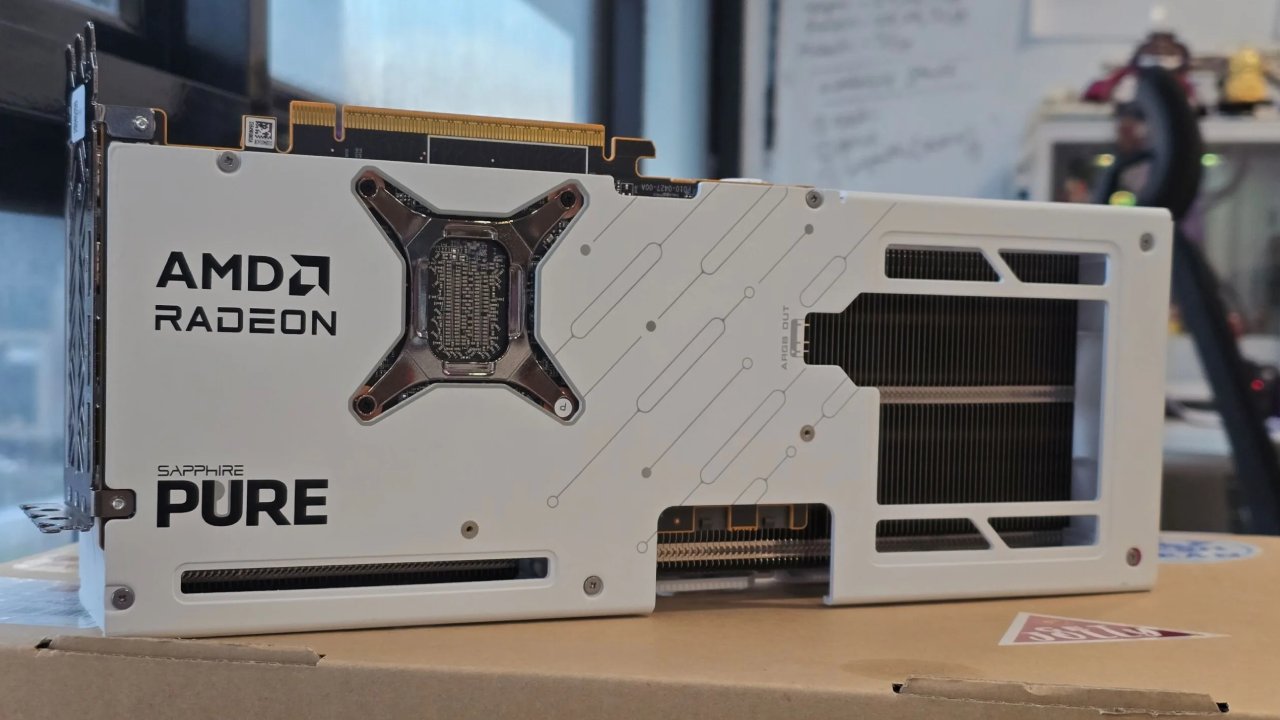
Larger SSDs have already become more expensive, and further increases wouldn't be surprising if manufacturing costs continue climbing. Graphics cards remain one of the biggest concerns. Reports indicate Nvidia has increased the pricing of GPU kits supplied to board partners, covering major parts of the graphics card, including the GPU itself and its memory.
If those higher production costs continue flowing through the supply chain, retail GPU prices could rise even further. Current products like the Radeon 9070 XT and RTX 5070 have managed to stay relatively close to previous pricing for now, but there's no guarantee that will continue if manufacturing expenses keep increasing.
CPU pricing remains harder to predict as the market already offers several strong processors.
Building a gaming PC with the expectation that it will deliver top-tier performance for an entire decade probably isn't realistic. Hardware evolves too quickly, and game developers continue raising performance expectations with every generation.
A balanced gaming PC built today has a much better chance of delivering an excellent experience for five or six years, especially if you choose your components carefully. If you're already planning an upgrade within the next year, waiting may not save money.
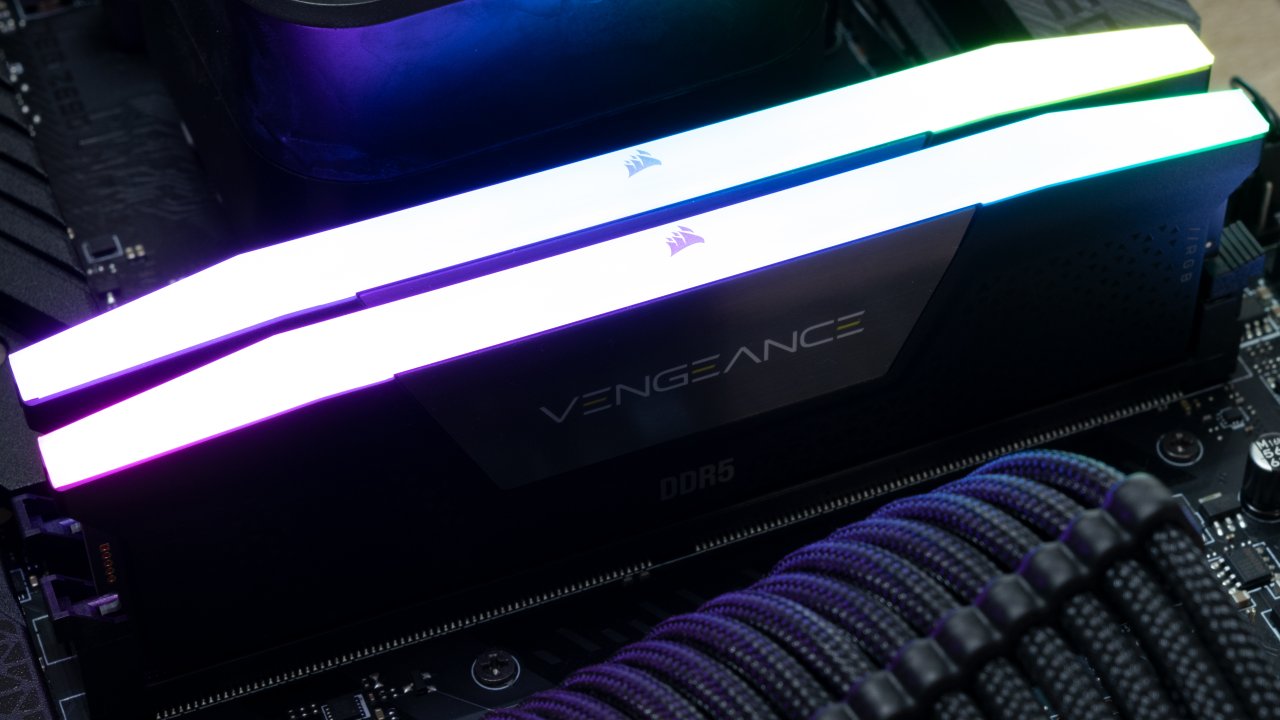
Current market trends point toward higher prices for key components like DDR5 memory, SSDs, and graphics cards, making strategic purchases sooner rather than later the more sensible approach. Rather than chasing the most expensive hardware available, focus on building a balanced system that fits your needs today while leaving room for future upgrades when the market eventually settles.
Editor, NoobFeed
Gaming Hardware Updates
No Data.