
Micron Exits Consumer RAM Market Amid AI Memory Demand Surge
Micron’s shift toward AI-focused memory production accelerates consumer RAM shortages and signals prolonged pricing pressure across the PC hardware market.
Hardware by Masaru Hoshino on Dec 13, 2025
Micron Technology has announced it will exit its consumer business to prioritize advanced memory chips for artificial intelligence data centers. The company said it would stop selling Crucial-branded consumer products through stores, e-retailers, and distributors worldwide because of a global shortage of key semiconductors and the rapid rise in profitability of AI-focused components.
Shipments will continue until February 2026. This change makes people worry about the price of memory, how easy it is to assemble a PC, and the long-term growth of the hardware industry.
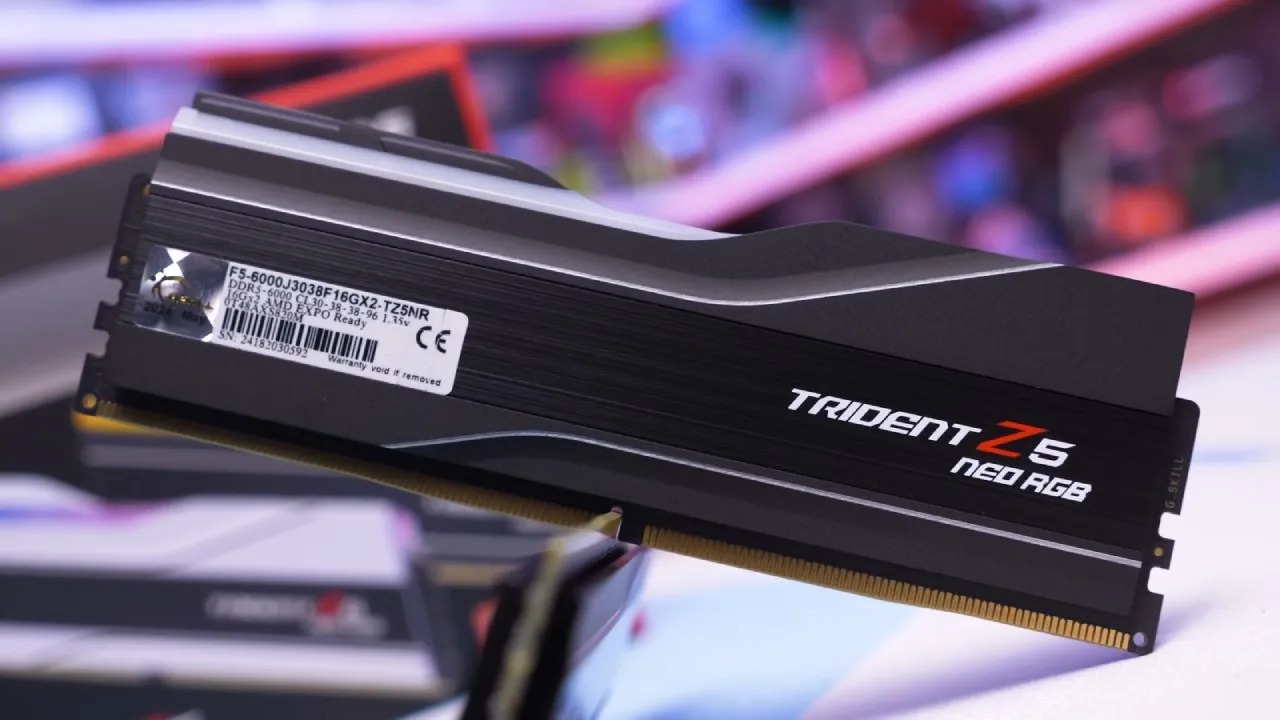
End of Crucial RAM and What It Means for PC Builders
We have relied on Crucial memory for decades, and seeing Micron walk away from a profitable consumer segment feels profoundly disappointing. Crucial has been a staple for anyone building a PC, and the sudden disappearance of such a major supplier is troubling—especially when memory prices are already rising.
With one less major manufacturer competing in the space, you can expect tighter supply and higher prices, a worrying trend for PC enthusiasts and builders.
Motherboard sales have dropped nearly 50%, aligning with a broader slowdown in upgrade cycles. You typically buy a new motherboard when moving from DDR4 to DDR5 or upgrading to a current-generation processor, and with costs rising, the pace of upgrades naturally slows.
Will Developers Target Lower Memory Specs?
A reader asked whether prolonged memory shortages could push developers to prioritize lower memory requirements. We don't expect developers to target lower RAM configurations. Instead, development will likely remain optimized around current norms. That means existing memory standards—what is common today—will define targets for the foreseeable future.
Handheld gaming gadgets also make things more complicated. Many handhelds are already low on memory, yet there is significant pressure for long-term support. There are rumors that the next generation of handhelds could include models with 24GB or more, but this will depend on market conditions and production costs.
At the moment, we seem locked into a period of stagnation where memory capacities in mainstream hardware may not advance quickly.
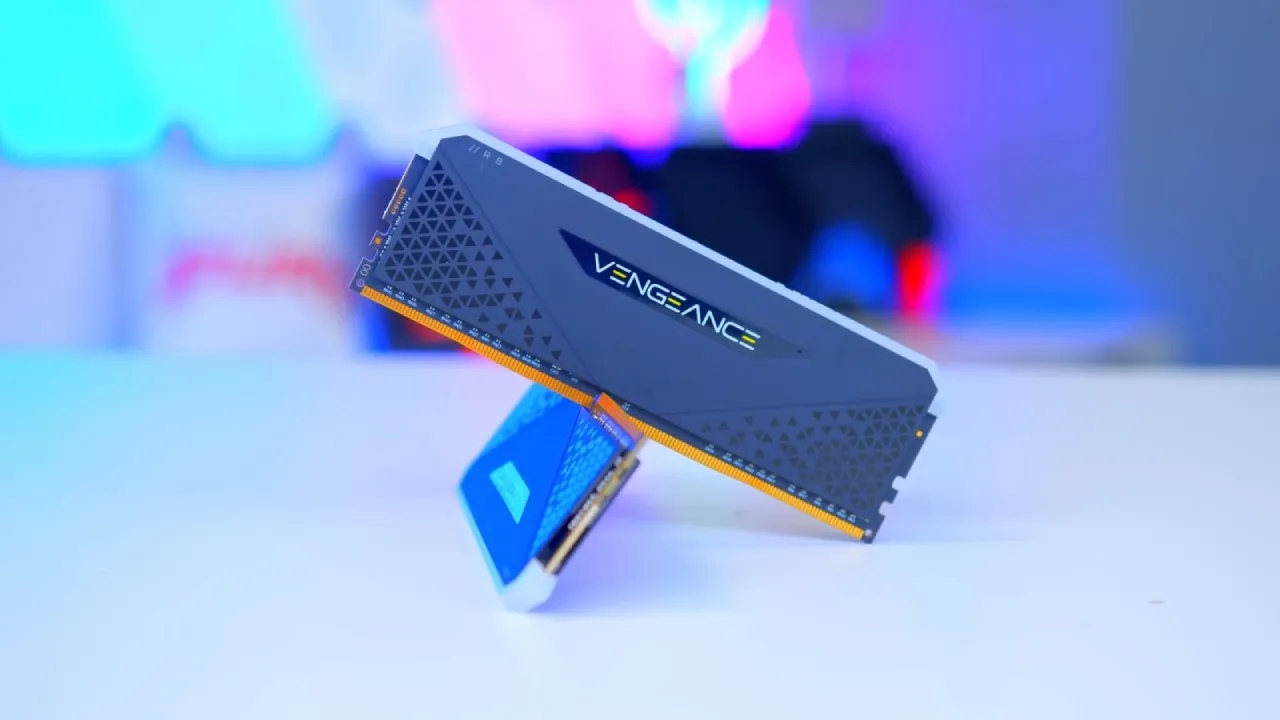
Hardware Stagnation Might Offer an Unexpected Silver Lining
We may see a slowdown in hardware progression across both consoles and PCs. Interestingly, this could benefit game development. It can take 5 to 6 years to make a modern large-scale game, which is the length of a whole console generation. If hardware changes occur more slowly, developers have more time to make their software work better on stable platforms, rather than having to keep up with fast hardware changes.
This stability can actually aid consoles, since fixed specs set the generation. For PCs, the impact is mixed: while we enjoy leveraging new hardware to upgrade existing libraries, stagnation means fewer opportunities for these improvements.
Launch timing matters too. Consider the Switch successor: had it launched a year earlier, production costs—especially memory—might have been far more manageable. Instead, manufacturers now face rising component prices, ongoing tariffs, and supply chain strains, making the market increasingly hostile.
Rising Prices and Supply Constraints in the Consumer Market
Memory prices continue to surge, and it remains unclear how much of the increase stems from actual production costs versus retailers capitalizing on scarcity.
With Micron/Crucial stepping away, one of the largest contributors to consumer RAM supply disappears, creating a vacuum that almost certainly pushes prices higher. For those who build PCs, this could become a long-term challenge.
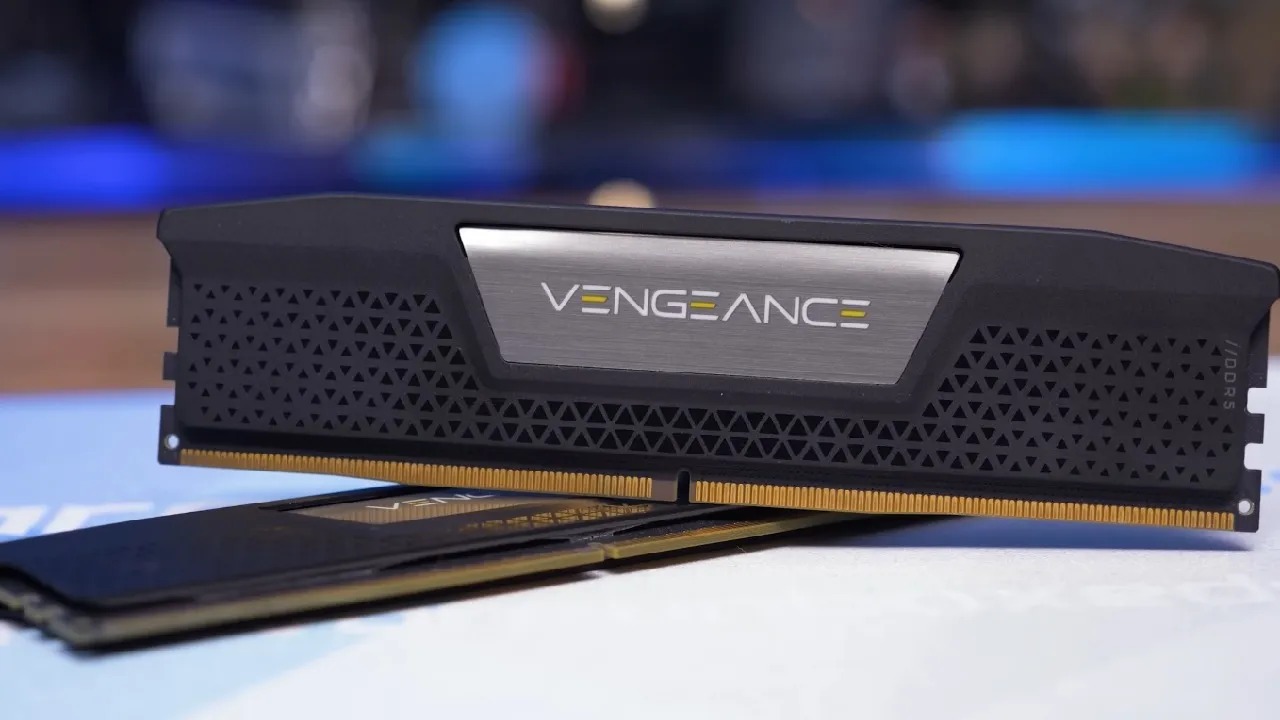
AI Demand Is Reshaping the Semiconductor Landscape
The rapid acceleration of AI development has significant externalities. AI memory demand is extremely high, long-term, and predictable. As a result, companies naturally divert more resources toward AI products.
We've already seen it at major chip fabs, where the most advanced nodes are increasingly dominated by AI customers. Even at the A16 node, projections show Nvidia as the sole major customer.
The scale of investment is enormous. Current AI development is supported by unprecedented investor subsidies. Services like ChatGPT cost $20 per month for subscribers, but many users would value them far more in a vacuum. If investors pulled back and demanded immediate profitability, the market could survive—just in a smaller, more focused form.
The long-term potential of AI agents and emerging tools is difficult to compare to any historical technology rollout. However, the scale of investment also creates volatility. Some ideas are unlikely to be viable long-term, mirroring the dot-com era, where many early internet concepts failed before sustainable models emerged.
Balancing Innovation, Risk, and Market Realities
We may witness a shakeout similar to the early days of the Internet. Investors are pouring more resources into AI than any previous technology shift. While some of this investment will not pay off, the broader trajectory is similar: enormous growth, significant failures, and eventual maturity.
From a PC hardware perspective, fewer repetitive or low-value AI-generated posts circulating online might even be a welcome relief. But at the same time, the diversion of manufacturing capacity toward AI—and away from consumer hardware—will continue to shape the near-future landscape of gaming PCs, consoles, and handheld devices.
Also, check our other hardware articles:
- AMD Ryzen 9 9950X3D Review: Setting The Standard For 2025 Gaming CPU
- Amazon Luna 2025 Review: Is Prime Gaming's Cloud Service Your Go-To For Casual Fun?
- AMD RX 9070 XT Review: AMD's RDNA 4 Champion for 1440p Gaming
- GeForce Now Ultimate: Ditching Your Gaming PC For Cloud RTX 4080 Power?
- NVIDIA GeForce RTX 5080 Review (2025): Still A 4K Gaming Powerhouse?
- Intel Core Ultra 9 285K Review And Performance Breakdown (2025)
- AMD Ryzen 7 9800X3D Review: 3D V-Cache Goes God Mode with Stunning Gaming Performance
- Intel Core Ultra 9 285K vs AMD Ryzen 7 9800X3D: In-Depth Gaming Performance and Benchmark Comparison
- NVIDIA GeForce RTX 5080 Super Performance In Cyberpunk 2077: Path Tracing & DLSS 4.0 Tested
- AMD Radeon RX 9070 XT In Cyberpunk 2077: Ray Tracing & FSR 4.0 Tested
- Intel Arc B580 Review: The $250 GPU Revolutionizing 1440p Gaming
- Intel Arc B570 Vs. B580: Value, Specs, And Real-World Gaming Performance
- RTX 5090 Laptop Vs. M4 Max MacBook Pro: Ultimate Raw Performance Vs. Battery Endurance
- Intel Arc b580 Vs. RTX 4060: Game Performance And Value Analysis
- RTX5090 Hell Is Us Demo 4K Ultra Benchmark: DLSS Vs. Native Performance Guide
- NVIDIA RTX 5070 Review: Mid-Range Muscle or Marketing Hype?
- Nintendo Switch 2 Review: Handheld Performance, Features & Value Breakdown
- RTX 5070 Ti Review: Performance, Thermals & Power Efficiency Tested
- Samsung Odyssey OLED G81SF Review 2025: Ultimate 32-Inch QD-OLED Gaming Monitor
- AMD RX 9070 Performance Review: Thermals, Clocks, and Real-World FPS
- AMD Ryzen 5 7600 Review: Best Budget Gaming CPU of 2025?
- AMD Radeon RX 7800 XT Review: RDNA 3 Power For Midrange Gaming
- Asus ROG RTX 5090 Astral OC Vs. Founders Edition: The 4K Gaming Benchmark
- Intel Core i5-13400F Gaming Performance: Still Worth It in 2025?
- ASUS GeForce RTX 5090 LC Liquid Cooled GPU Review: Unmatched Silence & Speed
- ASUS ROG Ally X Handheld Review: Double the Battery, Double the Comfort
- Lenovo Legion Go S Review: The Ultimate Steam Deck 2 Alternative
- Sapphire NITRO+ AMD Radeon RX 9070 XT Review: The Ultimate 4K Gaming GPU
- Alienware 16 Area 51 Review: The Ultimate 2025 Gaming Laptop
- Alienware Area-51 Review: Unmatched 4K, Thermal, and Acoustic Performance
- AMD Ryzen 7 7800X3D: Delivers Gaming Performance Far Beyond Expectations
- AMD Ryzen 9 7900X Review: Powering the AM5 Era with DDR5 & PCIe 5.0
- Intel Core i9‑14900K vs. AMD Ryzen 7 7800X3D: Power Profiles & Gaming Benchmarks
- Intel Core i9 14900K: Specs, Benchmarks, and Competitor Comparison
- ASRock Radeon RX 7800 XT Challenger OC Review: Best Price-to-Performance GPU of 2025
Editor, NoobFeed
Gaming Hardware Updates
No Data.