
Nintendo Switch 2 May Get Improved DLSS Upscaling Models
Nintendo could introduce incremental DLSS improvements through future software updates without making any major public announcements.
Hardware by Tanvir Kabbo on Nov 01, 2026
Nintendo Switch 2 will use NVIDIA's Deep Learning Super Sampling (DLSS) technology to boost image quality and performance in all of its games. As rival upscaling methods advance, questions remain about whether Nintendo will change its DLSS implementation.
AMD has already brought FSR 4.1 capability to older RDNA 2 hardware, while Sony is still working on its PlayStation Spectral Super Resolution (PSSR) innovation. The changes make prospective Switch 2 improvements more appealing to developers hoping to squeeze in more performance and visual quality from the machine.
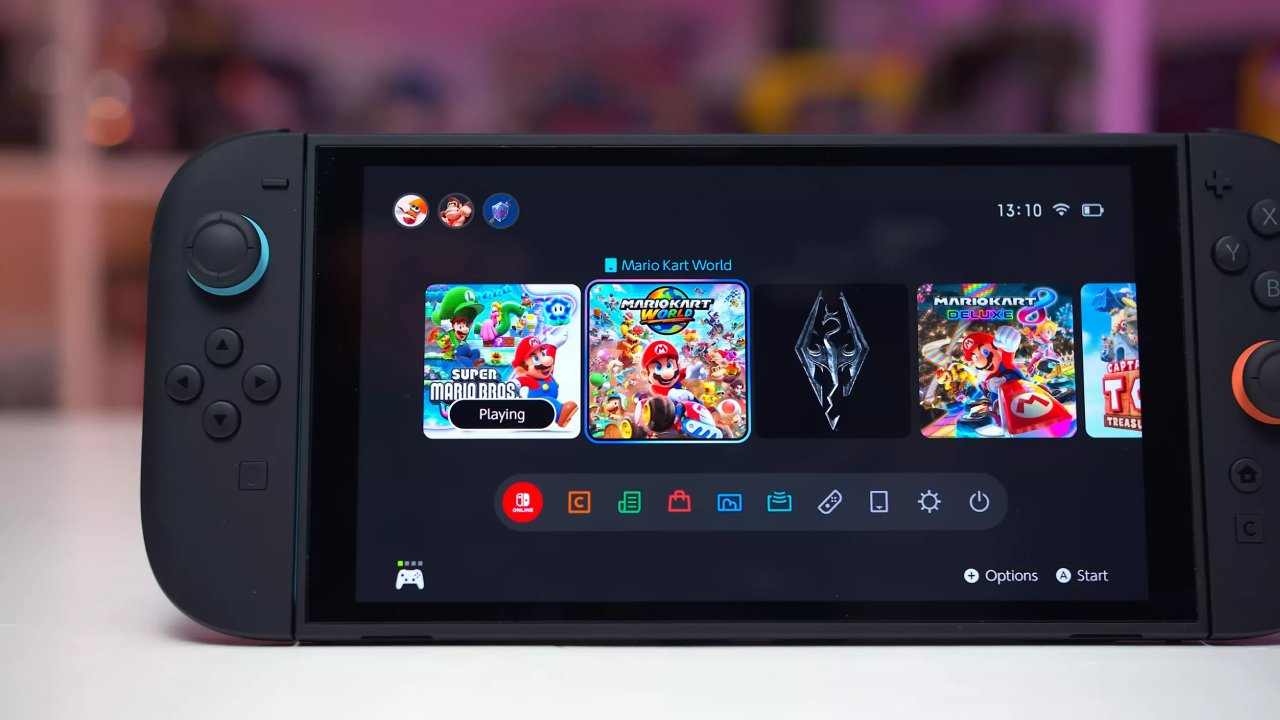
Nintendo Could Quietly Introduce Updated DLSS Models
Drastic changes are unlikely, but a tweak to Nintendo's own DLSS technology may be on the cards. The technology already delivers strong results in many games, but there is always room to improve. The console hardware capabilities are also a bit of a question mark, especially how much extra processing power its custom upscaling approach can handle.
Nintendo may roll out upgraded DLSS models without any big public announcement. Such improvements may already be in place, but would be hard to spot through normal gameplay comparisons. Smaller upscaler improvements are usually about fixing weird artifacts, addressing edge cases, and making incremental tweaks, not big technical changes.
We have seen similar shifts throughout the evolution of NVIDIA's DLSS. Some updates don't improve much, and some revisions are hard to distinguish unless you compare two versions side by side. Differences in game assets, implementation methods, and developer configurations can make the process even harder.
Nintendo Is Unlikely to Publicly Discuss DLSS Updates
Sony and AMD frequently share their respective upscaling technology, including advancements made across different platform projects. Nintendo, however, is much more silent about it. The firm doesn't have a history of comprehensive technical breakdowns of hardware features, so it's tough to say whether some of these enhancements have already trickled down to developers.
Nintendo's public discussion on DLSS has been limited, even. So, you definitely shouldn't expect a special announcement on improved Switch 2 upscaling models. Meaningful modifications may only be revealed through dev releases or independent technical analysis.
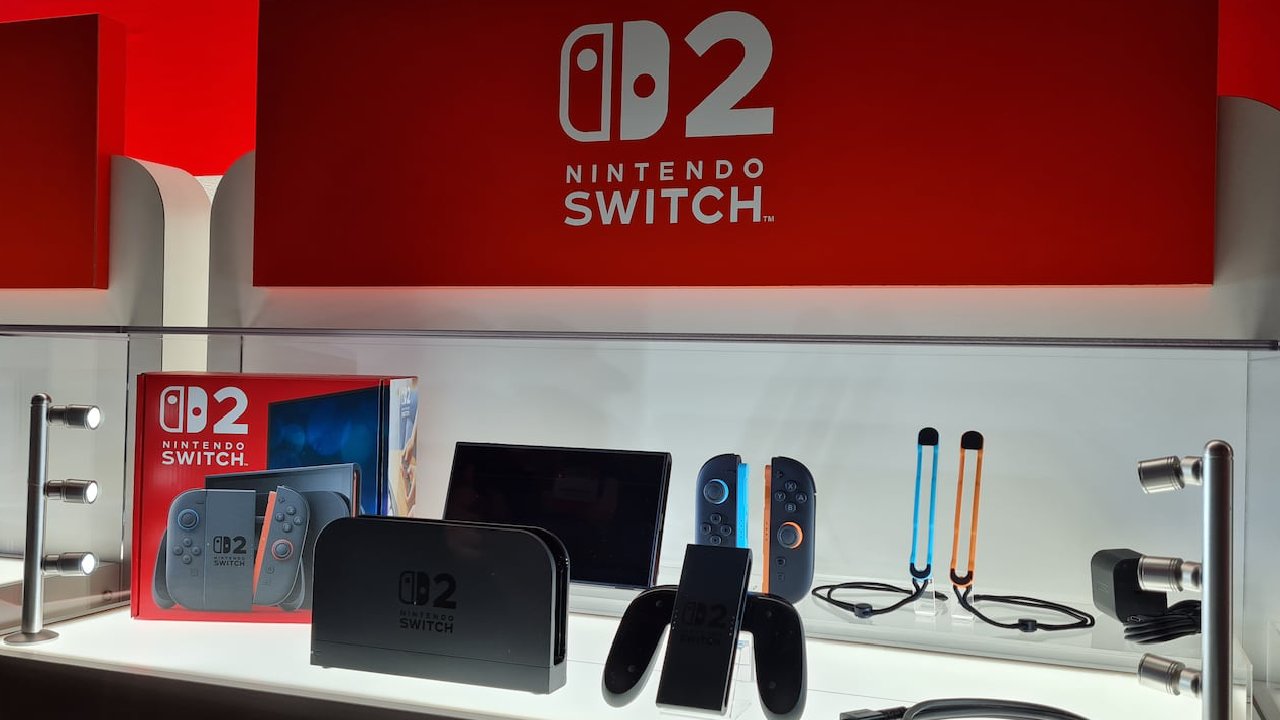
SDK Improvements Could Benefit Third-Party Developers
Another option is to update Nintendo's software development kit (SDK). Development tools are always evolving, and there's little reason to expect Switch 2's DLSS implementation to remain static.
Because the platform currently includes NVIDIA upscaling technologies, enhancements to existing models could help third-party developers achieve better results. Nintendo may improve its tools to make DLSS more user-friendly and address the issues developers face.
But these advances are unlikely to provide us with any wholly new capabilities. The Switch 2 doesn't look like it will have proper frame generation from an NVIDIA, and something as complex as DLSS 5 is even less likely. Anticipating smaller improvements on existing models is still far more reasonable.
The Smaller DLSS Model Needs More Attention
One especially intriguing area to improve is the smaller DLSS model, which can produce significantly worse results in some games. Fast RMX shows some of these limitations and how the cheaper approach doesn't always deliver consistent image quality.
A previous technical study of Switch 2's DLSS found that developers should generally favor the smaller variant in handheld mode, but steer clear of it in docked mode. On larger displays, the visual inadequacies may be more noticeable, so model selection matters.
A more positive example is Capcom's implementation. Its games seem heavily based on the CNN methodology, delivering remarkable visuals. This is a perfect example of how choosing the right DLSS implementation can make a huge difference in final image quality.
If they can improve the smaller model, that could be one of the more substantial enhancements for Switch 2 games. Nintendo and NVIDIA might want to focus on fixing visual flaws and upgrading existing features, instead of adding whole new ones. With AMD and Sony continuing to cook up their own upscaling solutions, Nintendo has good reason to keep working on DLSS, even if such advancements come discreetly.
Senior Editor, NoobFeed
Gaming Hardware Updates
No Data.