
NVIDIA DLSS 5 Could Change Game Graphics and SSD Prices
DLSS 5 introduces neural rendering while shifting more graphical detail generation from traditional rendering toward AI-driven processing.
Hardware by Nahe Yan on Sep 03, 2026
DLSS 5 represents a shift in how AI is used for game graphics. Rather than focusing mainly on reconstructing a higher-resolution image from a lower-resolution input, the technology is designed to modify the final image using information from the game engine.
At the same time, the NAND market could be heading in the opposite direction, with expanding production and weak consumer demand potentially creating an oversupply in 2027. For those who have been living under a rock for the last few months, DLSS 5 isn't anything like previous generations.
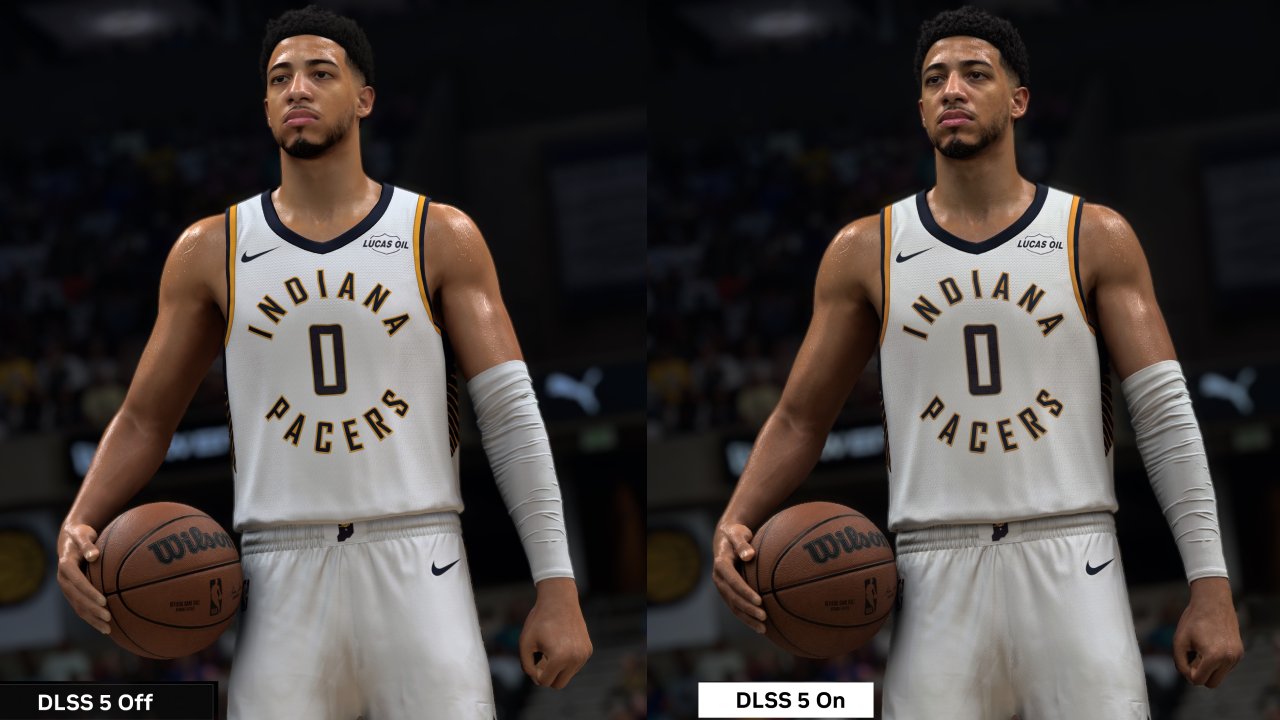
In fact, even the name "Deep Learning Super Sampling" makes no sense here. It's essentially just become a marketing term at this point. In Nvidia's recently released DLSS 5 video, the company calls it 3D-guided neural rendering.
DLSS 5 is More Than Traditional Upscaling
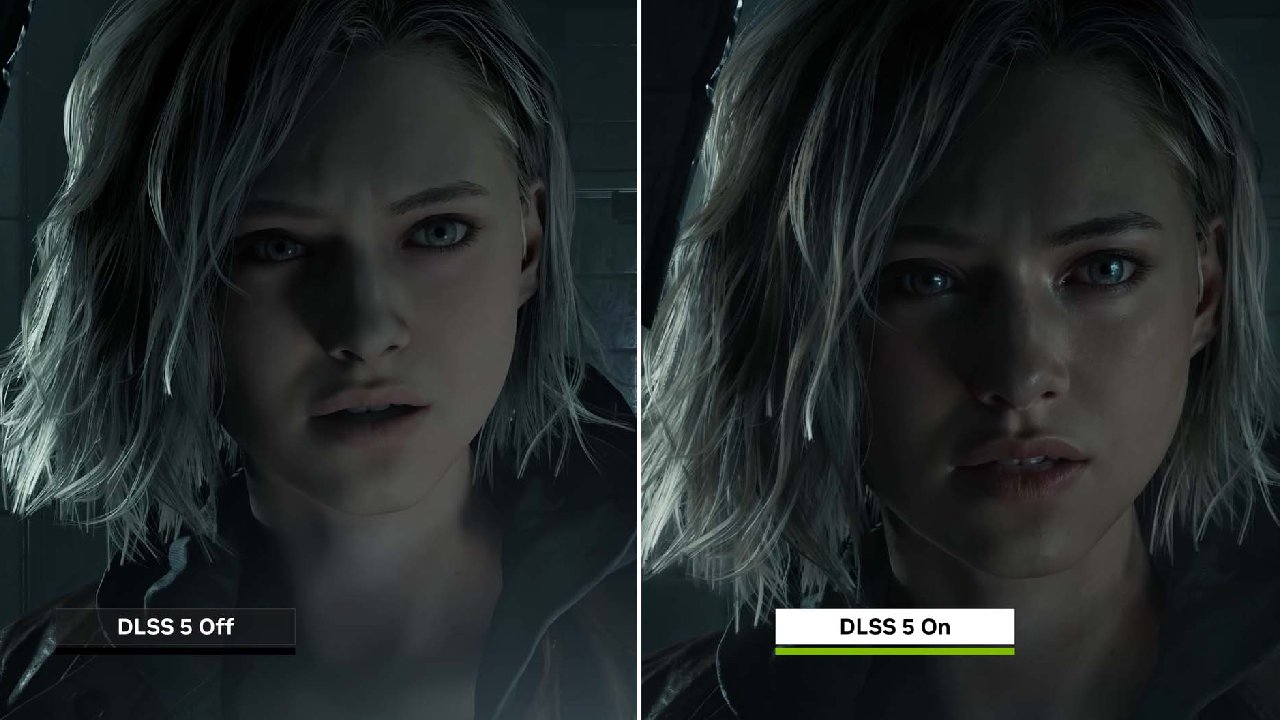
Basically, instead of just upscaling a lower-resolution image, DLSS 5 modifies the final image itself. Nvidia says it uses information from the game engine, such as geometry, motion vectors, lighting, and materials, and then runs it through an AI model to add more realistic details.
Elements such as skin, hair, lighting, shadows, and even global illumination can be affected. While Nvidia claims developers have a lot of control over this, it doesn't seem to be the case. They can adjust the strength of the effect, choose where it applies, pick among Nvidia AI models, and mask certain characters or objects so the AI doesn't affect them.
But they don't seem to have real control over what the AI does with it. Developers can't simply say, "No, no, I don't like that hair. Let's change it to this." When Nvidia first announced DLSS 5, the demonstration used two RTX 5090 GPUs. Luckily, a $10,000 computer won't be required to use this because, according to Nvidia, new optimizations since the demo in March have given it a 5x performance gain.
That's impressive, but Nvidia has also confirmed that enabling DLSS 5 adds a 50-60% performance hit. When it comes to actual benchmarks from Nvidia, the technology makes a strong case. At 4K Ultra in NBA 2027, the RTX 5090 is delivering around 370 fps, while the RTX 5080 reaches 233 fps. That sounds completely insane until those numbers are put into context.
Those figures are using 6x multi-frame generation. That means the RTX 5090 is actually running the game at 62 fps, while the RTX 5080 is at roughly 39 fps. That is how the actual game will feel because frame generation can't accept input. The result looks smoother, yet doesn't feel the same.
Optional Features Can Become Part of the Target
Performance isn't even the biggest concern. Right now, when the performance hit is mentioned, many people argue that DLSS 5 is optional, and that is true. If we like the way it looks, we can use it. If we prefer more performance, we can turn it off. Some of it also looks impressive. But upscaling and frame generation were completely optional when they first released as well.
They were meant to give us extra performance. Over time, more and more games began using upscaling as part of their actual performance targets. Instead of optimizing a game to hit, say, 70 fps natively and letting DLSS provide even more performance, the target suddenly became 70 fps with DLSS already enabled. DLSS 5 could make this even worse.
Why spend the budget creating detailed lighting, skin, hair, materials, and shadows through traditional rendering if the neural renderer can generate a convincing approximation afterward? Suddenly, DLSS 5 is no longer enhancing the graphics. It's replacing part of the pipeline that developers would otherwise have to build.
Sure, we may still be able to turn it off. But if the base version of the game was designed with the expectation that DLSS 5 would provide all of that additional detail, what exactly will it look like when it is turned off? Developers could easily use DLSS 5 as a crutch to make the underlying game less visually complete without it.

YMTC accounts for around 14% of global NAND shipments compared with roughly 25% for Samsung.
To hit that goal, YMTC would need to nearly double its market share in about 16 months. The company is also raising a significant amount of money to make it happen. YMTC is preparing a roughly $4.9 billion IPO, with most of that money going toward production line upgrades and advanced R&D.
Suddenly, traditional NAND manufacturers are expanding production again; China is aggressively adding more capacity; newer manufacturing processes are increasing the amount of NAND produced per wafer; and huge parts of the consumer market remain weak. That's basically the recipe for how the memory industry can go from a shortage to a surplus.
There is still the rest of 2026 to get through, and AI servers continue to consume an enormous amount of NAND. But if TrendForce is right, the second half of 2027 could finally mark the point where the SSD shortage breaks. If supply really does overshoot demand, serious downward pressure on SSD prices could finally begin.
Editor, NoobFeed
Gaming Hardware Updates
No Data.