
DLSS 5 and Neural Rendering: What It Could Mean for PlayStation 6
AI-powered rendering could change how future PlayStation games look and perform, but we still don't know much about the PS6.
PlayStation by Rahe Numa on Aug 30, 2026
Sony and AMD Are Working Toward Something Similar. If you've been keeping up with where gaming graphics are heading, you'll have heard a lot about DLSS 5 and neural rendering. At first glance, it seems like just another graphics improvement meant to make games look better and run more smoothly.
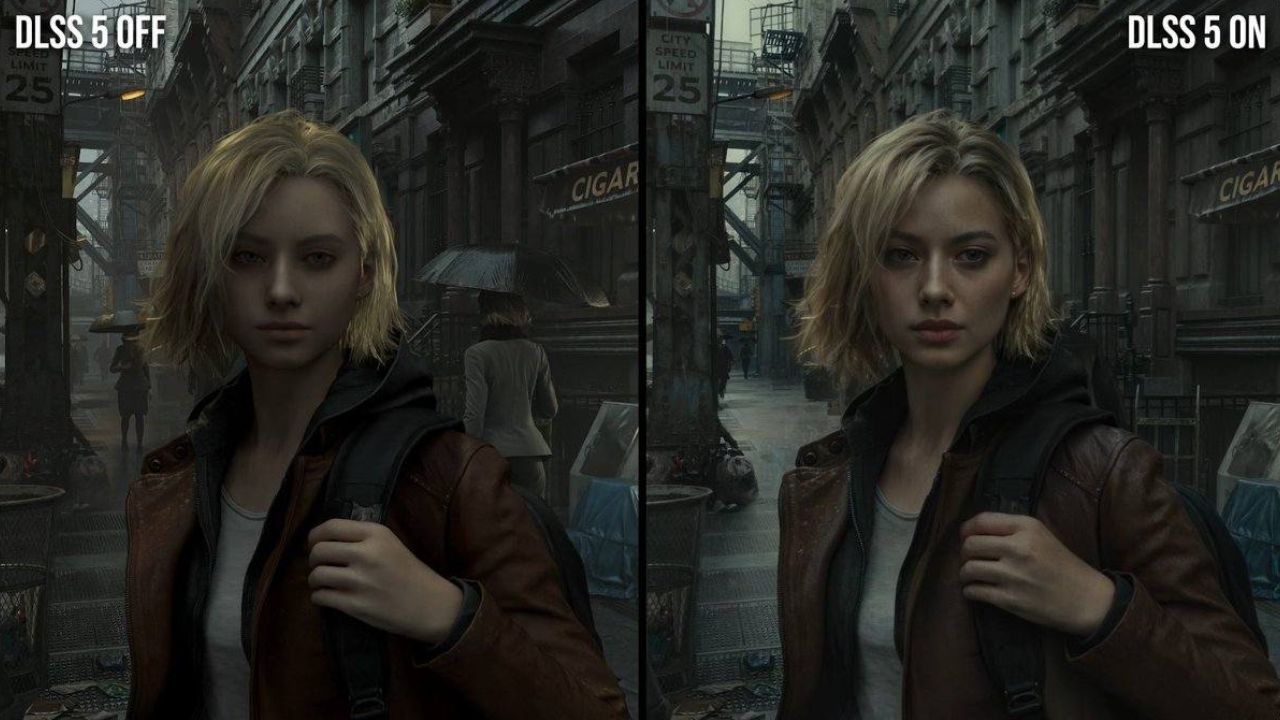
However, there's actually more to it than that. What's interesting is the extent to which AI could alter the way your games are rendered. Instead of having the GPU handle every part of image creation with conventional techniques, neural rendering lets AI handle part of the job.
This matters even more when you consider the kind of hardware that might power the next PlayStation.
It’s More Than Just Better Graphics. DLSS 5 isn't just about sharpening textures or fixing blurry edges; the major improvement lies in how an image can be generated. With neural rendering, AI could reconstruct or generate parts of a frame instead of having the GPU recalculate everything.
As a result, you could achieve more detailed environments, improved lighting, more sophisticated effects, and higher frame rates even without needing a huge increase in the raw power of the GPU. However, there is an obvious drawback: if you're asking the AI to handle more of the image, it has to get the details right.
Although a minor visual error might be easily overlooked in a screenshot, when you're actually playing the game, odd artifacts or wrong details can become very obvious. Sony and AMD Are Working Toward Something Similar. It is here that Project Amethyst ceases to be boring.
DLSS 5 is a technology developed by Nvidia, so you can't expect Sony to simply take it and put it into a PlayStation. Instead, Sony and AMD are said to be working on their own method to deal with similar issues through Project Amethyst.
Mark Cerny has mentioned technologies including Neural Arrays, Radiance Cores, and Universal Compression.
The goal is to make future graphics hardware smarter and more efficient, rather than relying on traditional increases in processing power. Neural Arrays are intended to help groups of GPU computing units work together more efficiently on machine-learning workloads, while Radiance Cores focus on ray-tracing tasks.
The aim is to shift some of the heavy work away from the conventional shader pipeline so the hardware can handle advanced graphics more efficiently. It's no longer just theoretical. Sony has already released an improved version of PSSR on the PS5 Pro, as part of the Project Amethyst collaboration with AMD.
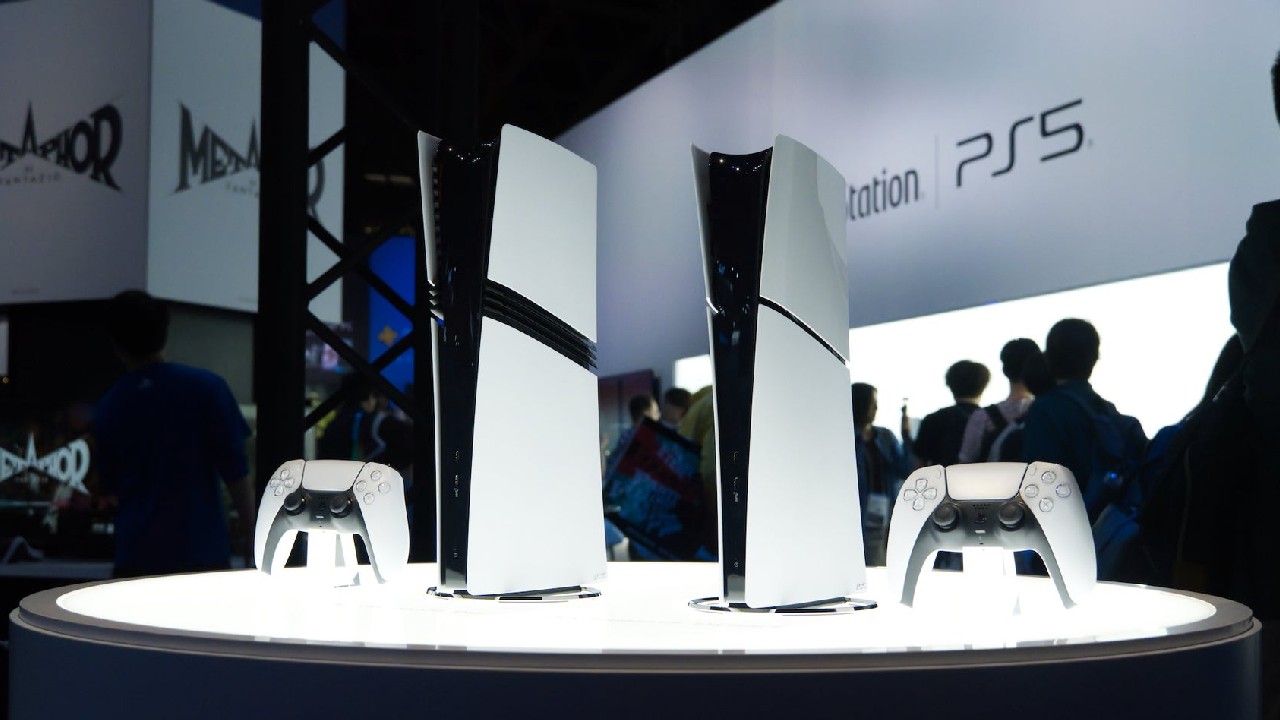
It doesn't provide any information regarding the PS6, but it does indicate that Sony is already working on the type of technology that could become much more important in its next generation of hardware. What is interesting is that neural rendering is no longer just something you see in technical presentations.
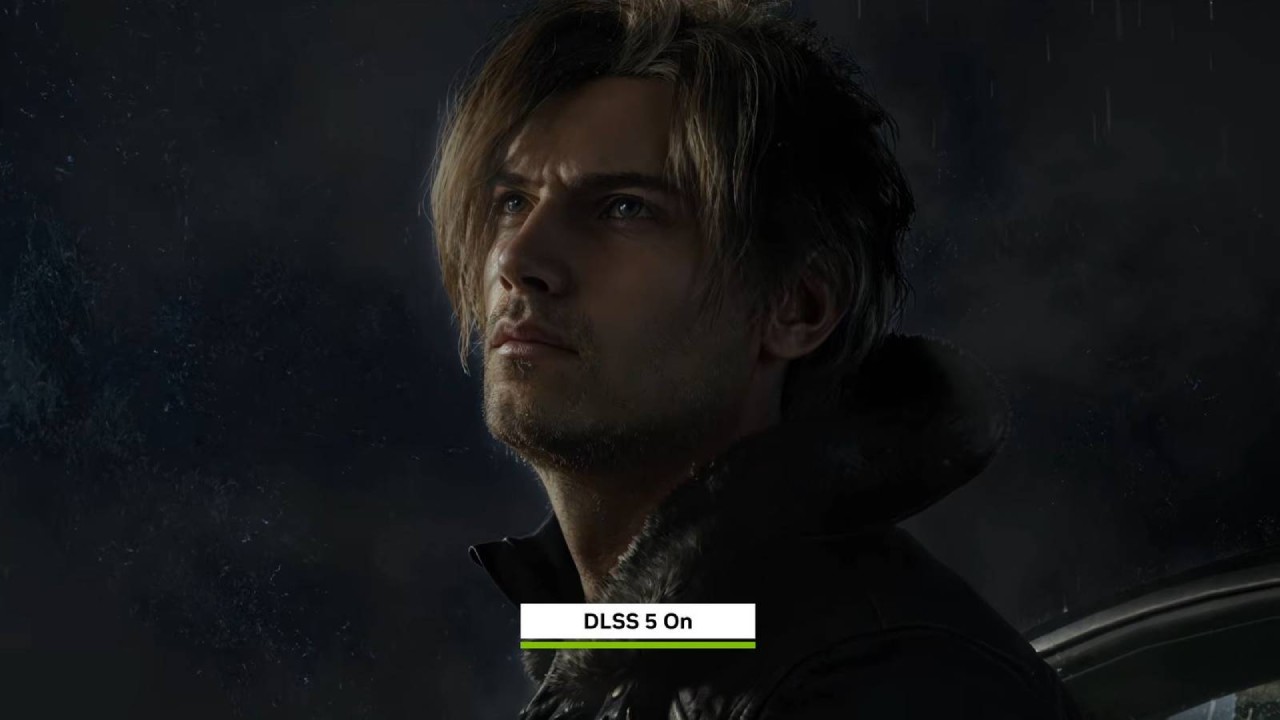
Nvidia has already shown off its neural-rendering technology in games, for example, in NBA 2K27. Only in a real game can one properly understand these techniques, since this is not merely about what AI might be able to do in the future. Instead, developers are currently trying to use it in real-time graphics.
It doesn't mean all future games will look photorealistic right away; it only indicates the direction things are moving.
The Biggest Problem Is Accuracy. When you're discussing AI-generated graphics, there's one point you shouldn't ignore—that AI can make mistakes. Neural rendering can reconstruct an image very well, but it's not perfect; if the system misinterprets a detail, it can create visual artifacts, odd textures, or features that don't match the developer's original intent.
You may hardly notice it in a static image, but when you're playing and the same issue repeats, it can become distracting. The actual difficulty does not lie simply in getting the AI to produce more of the image; it is rather in ensuring that the outcome remains natural and consistent as you proceed through the game.
There is obviously nothing to evaluate in terms of a combat system, a progression system, or puzzle design since DLSS 5 and Project Amethyst are technologies, not games. What matters is if they really do improve your experience.
If a system can provide better lighting, more detailed environments, improved ray tracing, and smoother performance without noticeable visual issues, then the technology has a genuine purpose. That is, the criterion in the end: no matter how impressive the technical presentation may sound, you will be able to detect problems when you play it.
What does this mean for the PS6?
For a long time, talk about new consoles has focused almost entirely on raw specifications: more CPU power, a faster GPU, and more memory—that's the usual pattern. Neural rendering might alter that discussion.
Rather than asking about hardware power, you might consider how efficiently it uses its resources; a smarter GPU could deliver visual enhancements without the huge hardware increases previous generations have relied on, which is why you should keep DLSS 5 and Project Amethyst in mind if you're considering the next PlayStation.To make it clear, the facts mentioned here do not prove what Sony will include in the PS6.
We still don't know a lot, and it would be a mistake to treat every detail of Project Amethyst as a confirmed PS6 spec. What matters about DLSS 5 and neural rendering is not just that they can make games look more attractive. The real significance lies in AI becoming involved in the actual rendering process.
Sony and AMD are following a similar path with Project Amethyst, while Nvidia is pursuing its own method using DLSS. Although these are different technologies, they share the same concept: your GPU doesn't have to do everything alone.
As the technology improves, the next PlayStation could gain advantages that go well beyond a faster GPU.
This might include better visuals, more advanced ray tracing, and higher-quality image reconstruction without depending completely on raw hardware power. Then, when the PS6 finally comes out, the interesting question might be its GPU power. It might be how the GPU uses its power.
Editor, NoobFeed
Latest Articles
No Data.