
XBOX Backward Compatibility and Helix Strategy Raise New Questions About Steam's Future
Xbox backward compatibility on PC expands digital game preservation while Steam maintains a commanding position across the broader PC gaming ecosystem.
Hardware by Masaru Hoshino on Aug 03, 2026
The possibility of bringing XBOX backward compatibility to PC has sparked an interesting discussion about the future of the PC gaming ecosystem. If users can access older XBOX collections on PC while simultaneously embracing future XBOX hardware, it might change the way digital game ownership works across platforms.
At the same time, Steam's huge user base and huge library of games remain its dominant power in PC gaming, leading to worries over whether Microsoft's strategy might ever become a real competitive threat.
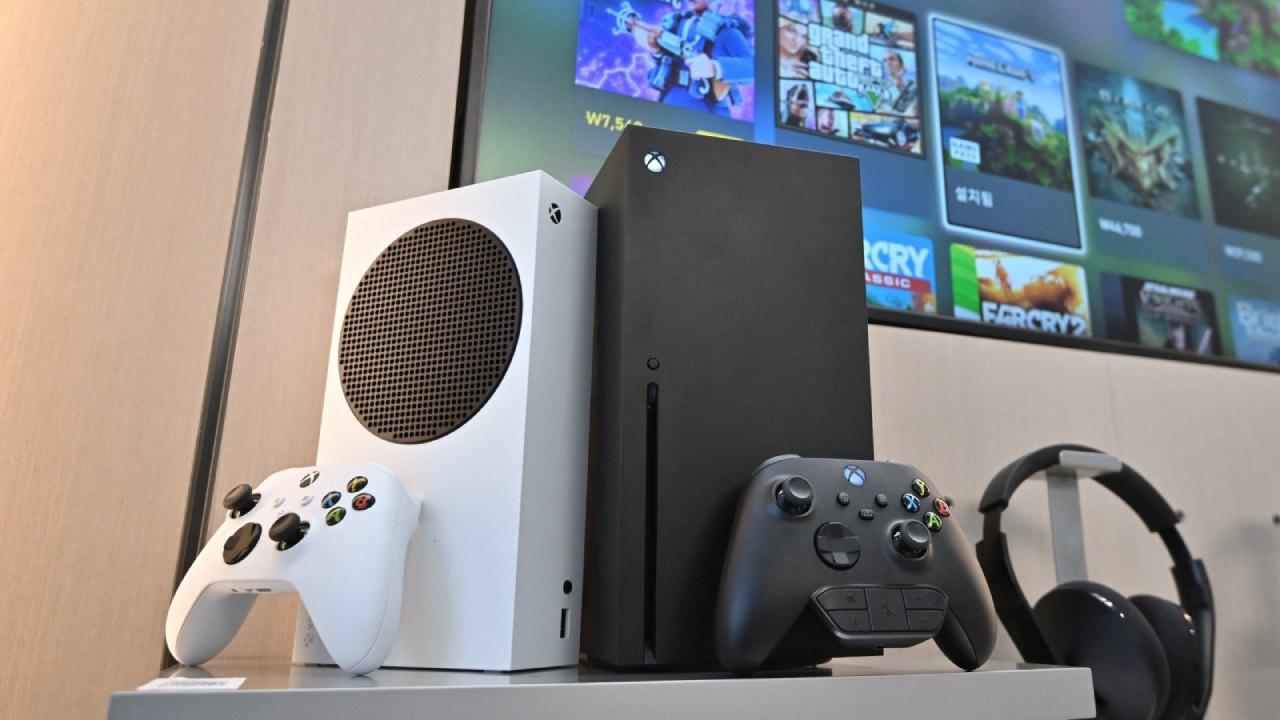
Could XBOX Libraries Become a Competitive Advantage?
XBOX brought regional Xbox backward compatibility to PC. The first assumption was that this may be the first step in transferring older XBOX libraries to Helix, which is meant to be both a PC and able to play PC games.
If XBOX successfully establishes backward compatibility between PC and XBOX consoles, could Steam be in trouble? The biggest barrier for any non-Steam PC storefront has always been that most PC players already have well-established digital libraries on Steam. If XBOX releases a PC-console hybrid and allows its existing console users to bring their digital libraries with them, XBOX could become much stronger competition for Valve.
However, there is some skepticism about that idea. The concern is that the backward compatibility coming to PC will probably be highly selective, or at least somewhat selective. Steam, by comparison, simply allows players to buy almost anything, and if they already own games, they generally continue to work.
Steam Still Holds Significant Advantages
For the most part, Steam remains the easier option, although older PC games are not always perfect either. Many older PC titles require enhancements or various community fixes to run properly. Games released before around 2012 or 2013 often lacked controller-focused navigation and were never designed for living room play. While modern releases have largely solved those issues, older titles can still present challenges.
Microsoft's approach appears to involve running games through an emulator, potentially with additional enhancements layered on top. That kind of solution could remain reliable for a very long time on this class of hardware, making it a promising approach for preserving older games. Even so, if you have access to both Steam and the Microsoft Store on a PC, you'll probably continue to gravitate toward Steam. There are several reasons for that.
One recent example involved players who had pre-ordered Halo: Combat Evolved through the Microsoft Store on PC. Those users were unable to access the game. Alongside various network problems that also affected gameplay and capturing footage, some players were completely locked out of the title on the Microsoft Store. There is no comparable issue affecting Steam at the moment, which reinforces confidence in Valve's platform.
The Question of Third-Party Storefront Support
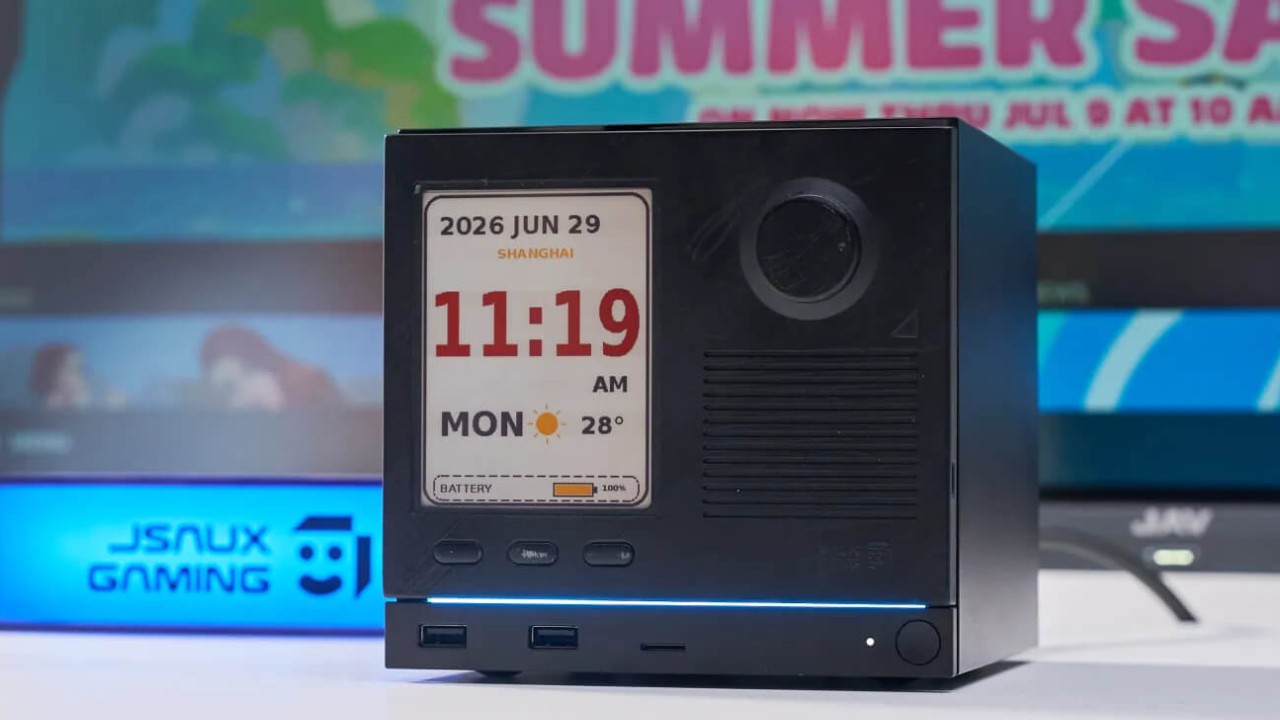
Another important factor is whether Helix will support third-party storefronts. During the Phil Spencer era, that seemed to be something that had essentially been confirmed. Under the newer leadership, it is no longer entirely clear whether that commitment still stands.
It would be profoundly silly not to support Steam or other third-party storefronts. However, Microsoft may be at least considering that option. Such a move might provide a narrow benefit for the XBOX Store or Microsoft Store, but it would likely hurt the XBOX brand overall and negatively affect hardware sales.
Is Steam Really in Trouble?
The larger question is whether XBOX's digital libraries are significant enough to present any meaningful challenge to Steam. The answer is probably no. That does not mean Microsoft's efforts are unimportant. If software that players have already purchased becomes more accessible across devices, that is a win.
Why Microsoft's Strategy Still Matters
The effort to make XBOX digital libraries available on more platforms deserves praise. The concept of XBOX 360 and original XBOX emulation on PC is genuinely exciting and represents a significant development for game preservation.
If there is also a way to migrate physical discs from the XBOX One and XBOX Series generations into digital licenses that can move with you onto PC or future XBOX hardware, that is another major consumer-friendly improvement.
Ultimately, treating the core audience with respect by preserving purchased software is something worth applauding. In an era where the strongest impression often feels centered around maximizing revenue per user, genuine consumer wins stand out for all the right reasons.
The Difficult Road Ahead for Microsoft
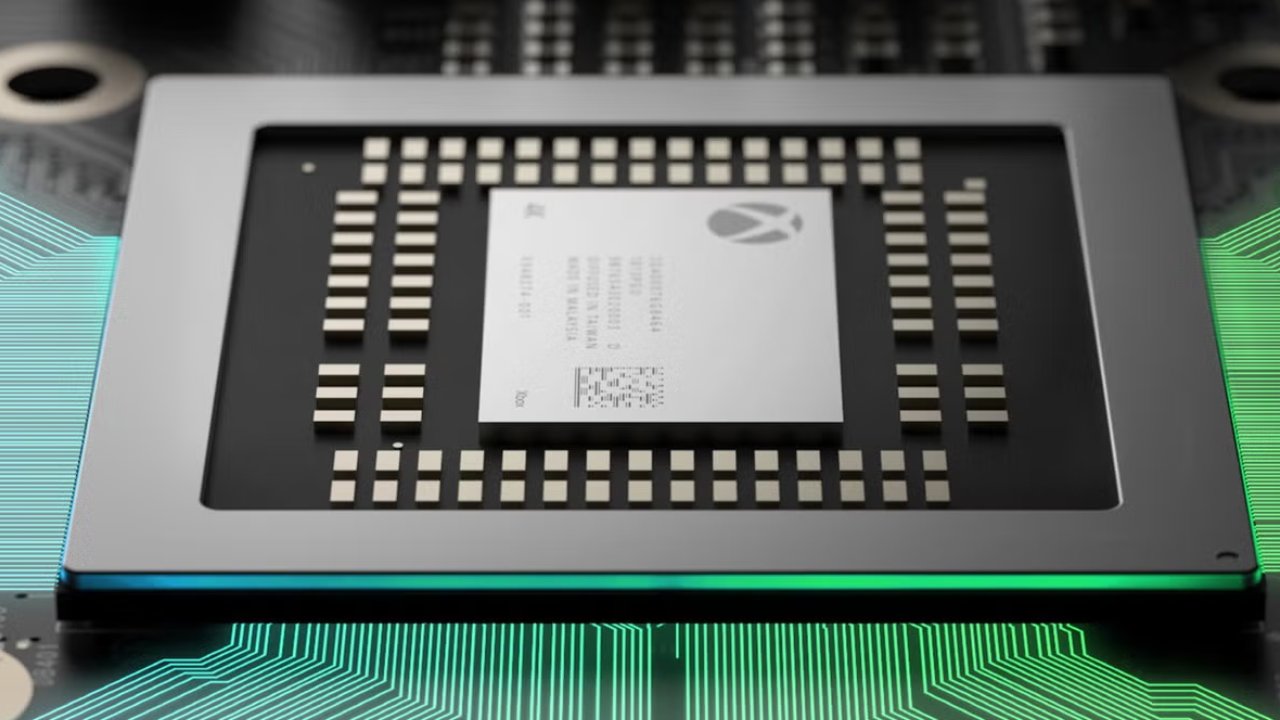
Microsoft still faces a very difficult strategic position. If the long-term strategy is to return to being primarily console-focused while producing exclusive games for both console and PC, that begins to resemble the XBOX One era, and that approach did not work particularly well.
An alternative strategy had been suggested during the Phil Spencer and Sarah Bond era. The idea was to move closer to Windows, with Helix serving as a console-like device that provides a curated experience while still opening the door to the broader PC ecosystem. Even that strategy presents challenges.
If players can simply bring their Steam libraries to Helix, what incentive is there to become more invested in the XBOX ecosystem? That remains a difficult question to answer.
A Bigger Challenge Facing the Console Industry
The challenges extend beyond Microsoft. There is growing concern that each console generation largely attracts the same audience, and eventually those players will age out of the market. As a result, console manufacturers need to find ways to appeal to a broader audience. Exactly how they accomplish that remains one of the biggest questions facing the gaming industry today.
Editor, NoobFeed
Gaming Hardware Updates
No Data.