
Meta May Have the Perfect Answer to Steam Frame and Quest Competition
Steam Frame's arrival is pushing Meta to rethink its long-term Quest strategy and broader extended reality ambitions.
Hardware by Masaru Hoshino on Aug 04, 2026
The upcoming Steam Frame is expected to reshape the virtual reality market, offering stiff competition to established headset producers. With rumors that Valve will launch a premium PC VR and standalone experience, attention has turned to how Meta might respond.
Rather than backing away from the VR market, several recent developments suggest the company could be preparing a much broader strategy for the future of extended reality.
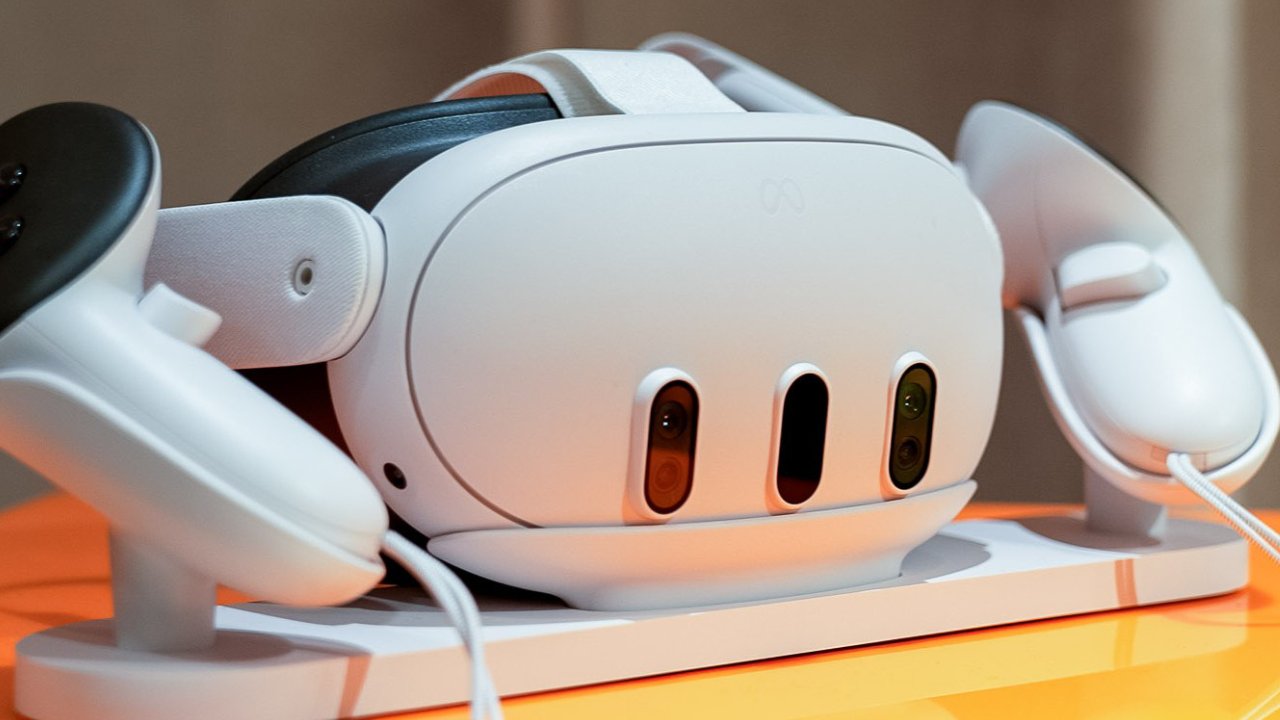
Steam Frame Has Changed the Competitive Landscape
Meta just took a heavy blow from the upcoming Steam Frame release, which has left many wondering what the company's next move will be. All the signs are pointing in the same direction. The projections are saying Steam Frame is going to be the king of VR.
It offers a seamless PC VR experience alongside a standalone experience. This might be a huge hurdle for the Quest headset lineup, as its PC VR experience is projected to lag behind unless
Meta does something drastic. The signs suggest that is exactly what the company is preparing to do. If we look at the clues, Meta is not acting like a company preparing to give up. Instead, it is acting like a company preparing for the next phase.
Meta Could Be Shifting Toward an XR Operating System
A few years ago, Meta announced plans to turn the Horizon operating system into something much bigger than Quest. The goal was for other companies to build devices using its software, similar to how Google uses Android.
Recently, however, Meta paused that strategy and started focusing on first-party hardware again. One possible explanation is that Steam Frame changed the equation. If Valve is about to dominate high-end VR, Meta cannot win simply by making slightly better Quest headsets. Instead, the company may need a completely different strategy.
All the available evidence points toward three possible directions. Meta could become the leading operating system for extended reality, become a gaming-first platform, or skip the headset war entirely by racing toward augmented reality glasses. Among those possibilities, the strongest signs point toward the first option.
Meta helped the VR business thrive by releasing inexpensive headsets that let it quickly take over the market. It subsequently built out its ecosystem with Horizon OS. Meta has been adding to the XR sector lately with its smart glasses, reinforcing the belief that VR, AR, and XR are the future.
The VR industry has had a few hiccups recently, but the long-term outlook is that people will wear XR, AR, and VR glasses or maybe a mix of all three. That creates an opportunity for Meta to establish itself as a serious operating system provider.
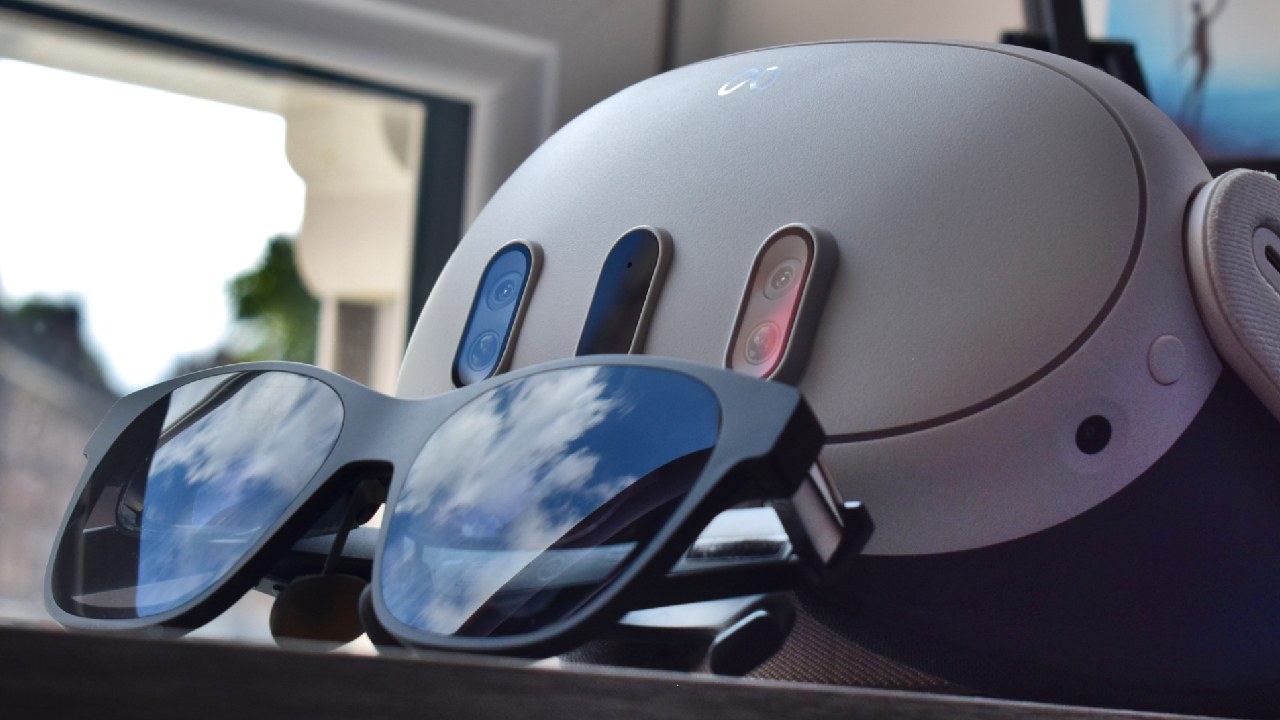
Quest Headsets Could Become the Nintendo of VR
The Quest series is unlikely to disappear. Instead, Meta may simply be redefining its business model. Meta might decide to stick with its focus on affordable and user-friendly headsets, so avoiding a direct clash with Valve in the high-end VR gaming space.
That could seem a negative at first, but the firm has a chance to focus on social gamers by promoting enjoyable, social, and accessible games, while also growing Horizon OS.
That could be a good thing for gamers in the long run. Meta might be the bridge between casual gaming and hardcore VR gaming and get the larger audience VR needs to really take off.
Gaming was similar decades ago. Gaming PCs were formerly an expensive niche hobby. As consoles became more affordable and more available, gaming became one of the most profitable entertainment sectors. Likewise, inexpensive Quest headsets could get casual users into VR gaming.
Valve and Meta Partnership Could Benefit Everyone
There is one other option that might drastically alter the market. It may be that Valve and Meta are the big partners in the end. Keeping Quest players out of the Steam ecosystem might make it more difficult for Valve to reach casual VR gamers.
Steam Frame has also been criticized despite being praised by many aficionados. One of the main problems is affordability. The launch pricing is expected to be $700 to $1,000. Besides, users would require a gaming PC or a Steam Machine to truly enjoy its main feature, Steam PC VR. Many VR players already own a gaming PC, but many others do not.
If the Quest 4 launches at around $300, it would create serious competition for Valve. Meta also has extensive experience targeting a broad, social audience. The Quest 3 remains an excellent headset, and VR has never been entirely about graphics alone.
In traditional gaming, photorealistic images are important for creating immersion. In VR, however, players are already inside the virtual environment. So poorer hardware isn't really the biggest problem until it impacts tracking accuracy or gaming fluency.
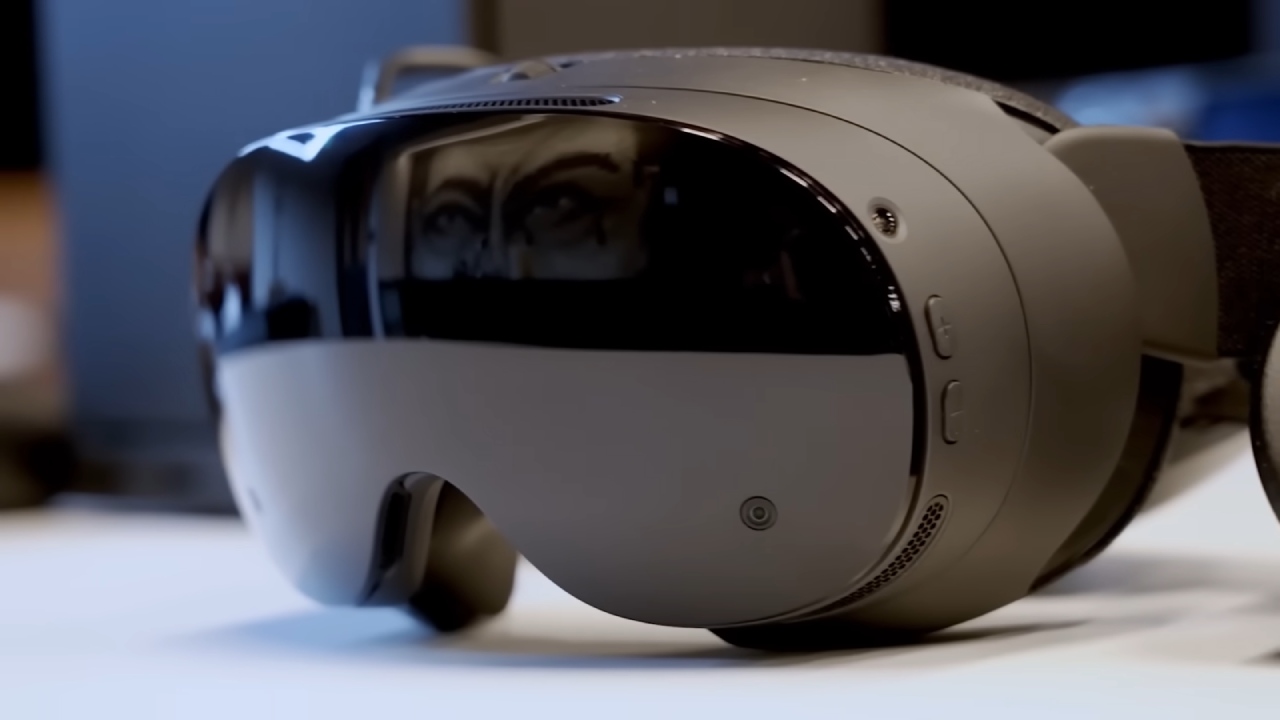
Steam on Quest Could Open the Door for Casual VR Players
One possible scenario is a partnership where Quest headsets receive a Steam app that provides access to the Steam VR library. Under that model, players would only be able to run games compatible with the Quest hardware unless they connected the headset to a gaming PC.
Valve can still make Steam Frame-exclusive games a selling point by offering greater resolution, better codec stability, better tracking, and other hardware benefits, while also providing a better PC VR experience. For what it's worth, this is still speculation based on forecasts of the future and not official pronouncements from either Meta or Valve.
Quest is undoubtedly up against fiercer competition than ever. But with a focus on price, accessibility, and a bigger XR ecosystem, the business might become one of the major competitors in the next generation of VR.
Editor, NoobFeed
Gaming Hardware Updates
No Data.