
Valve Steam Frame Could Become the Best All-Around VR Headset Despite Delays
Valve's gaming-first philosophy and balanced hardware design continue fueling anticipation despite ongoing Steam Frame delays and pricing uncertainty.
Hardware by Masaru Hoshino on Jul 30, 2026
Despite delays, conjecture, and pricing worries, Valve's speculated Steam Frame has been one of the most awaited VR headsets. Some aficionados have grown dubious, while others still regard the device as a potentially game-changing addition to the VR market.
Much of that confidence is based on Valve's track record of polished hardware, their gaming-first approach, and the potential to inject some fresh competition into an industry largely dominated by a few businesses.
.jpg)
Valve Has a Strong History of Delivering Complete VR Packages
One of the biggest reasons for excitement is the belief that Valve will once again deliver one of the best all-around VR packages. Back in 2019, Valve released the Index, which became one of the favorite all-around headsets available at the time. It did not feature the best display ever made, nor did it launch with cutting-edge hardware. In fact, much of its hardware was already around 2 years old by the time it released.
However, what made the Index special was the complete package. It was really comfortable and much heavier than the alleged Steam Frame. The sound quality was amazing, the microphone was excellent, and the images were good. Although it used an LCD panel, it was an immediate enhancement for many customers. That same philosophy appears to be what Valve is pursuing with the Steam Deck.
Steam Frame Is More Than Just a Sidegrade
Some critics argue that the Steam Frame will merely be a sidegrade rather than a meaningful upgrade. But this reasoning makes no account for actual usability.
Pimax and other high-end VR headsets use micro OLED panels and have far greater resolutions, but require very powerful technology. In reality, most users would require an RTX 5080 or RTX 5090 to utilize such displays adequately. Therefore, they are unrealistic for the vast majority of gamers.
The Steam Frame is a step forward in just about every way except color passthrough compared to the top standalone headsets like the Quest 3 or Quest 3S. Comfort, display quality, processing power, RAM capacity, storage size, and overall hardware capabilities all appear to be improvements over Meta's offerings. Color passthrough remains the only notable compromise, although reports suggest an optional accessory may eventually provide that feature, allowing users to avoid paying for it unless they actually want it.
Rather than attempting to dominate every individual hardware category, the Steam Frame appears positioned to offer an outstanding overall VR experience while improving nearly every aspect of what's currently available.
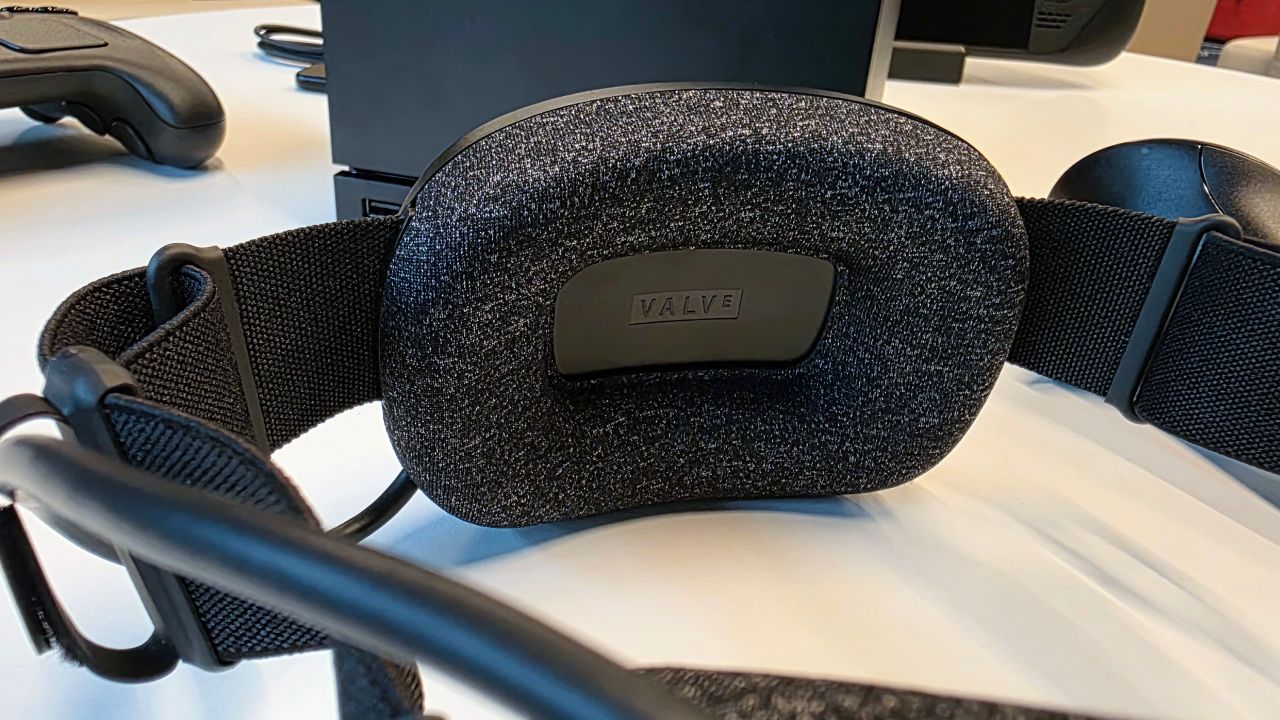
New Features Make the Steam Frame Stand Out
Early VR hardware often required expensive add-ons and complicated setups. The Valve Index, for example, was a PC-only headset that relied on a wired connection, cost $1,000, and required external base stations for tracking.
The Steam Frame moves well beyond that approach. It is expected to function as a true all-in-one headset while delivering everything the Index offered and more. Wireless streaming comes built-in through its own streaming dongle instead of requiring an additional $300 accessory. On top of that, eye tracking and foveated streaming promise to improve both performance and immersion.
SteamOS and real competition in the VR sector may even be more interesting. Many users also say Meta's OS is not very polished and not really geared towards gaming. Although Meta previously acquired several VR studios, many of those initiatives have since been scaled back or discontinued. Valve entering the standalone VR market introduces another serious competitor that places gaming at the center of its ecosystem.
SteamOS Could Unlock an Entire Library of Games
Valve earns roughly 90% of its revenue through software rather than hardware, meaning its primary focus naturally revolves around delivering a strong gaming experience before generating software sales.
The Steam Frame is expected to provide a completely new way to experience the Steam library. Besides offering high-quality PCVR streaming, it should also be capable of running a selection of flat-screen Steam games natively. SteamOS further expands those possibilities by allowing experimentation with features such as emulation.
The hardware itself still has limitations. Most native titles will likely be mobile versions instead of full PC releases, and demanding PC games running through FEX and Proton will still face performance constraints because the headset effectively operates using smartphone-class hardware similar to a Galaxy S24. Even with those limitations, the Steam Frame represents another step forward while remaining focused primarily on gaming.
For those new to VR or already entrenched in the Steam environment, the available game library might become one of the headset's greatest strengths.
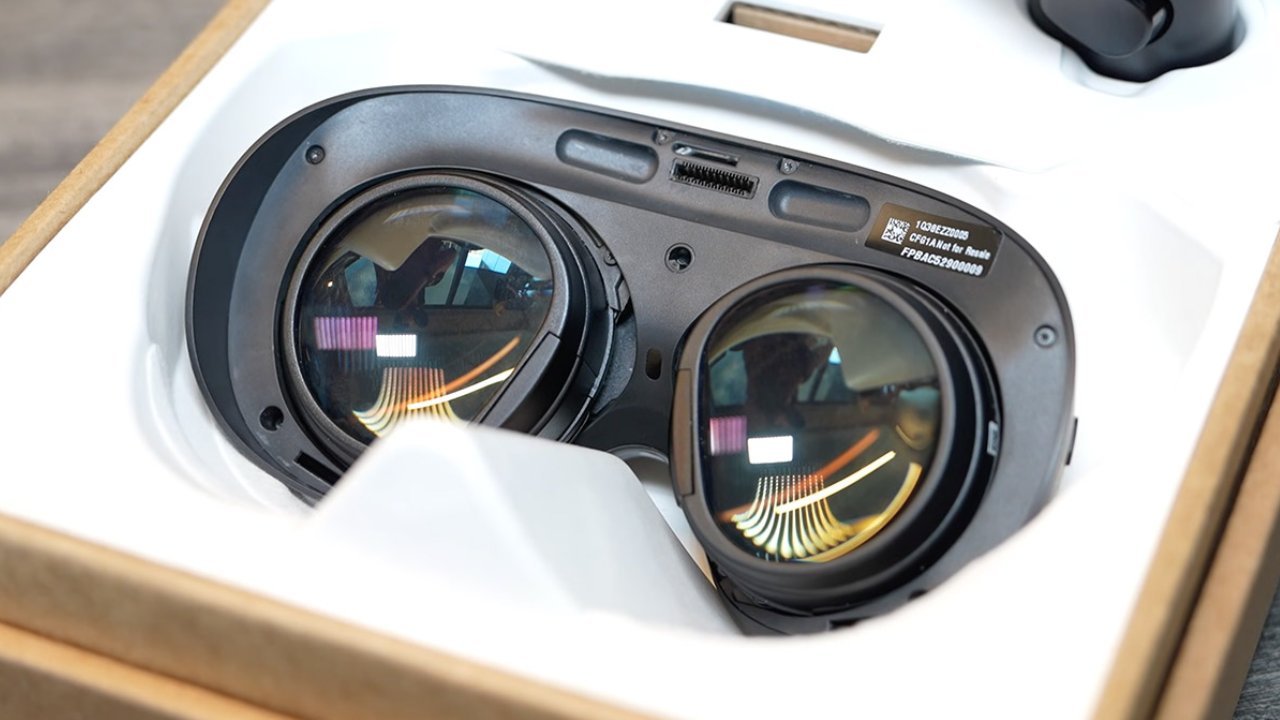
Long-Time VR Players Still Need Something New
But for long-time VR lovers, new hardware alone might not be enough. Upgrading to a better headset often feels similar to installing a faster GPU and purchasing a new monitor before returning to the same games. Everything looks better and performs better, but the overall experience remains largely unchanged.
That is why many hope Valve does not miss the opportunity to launch the Steam Frame alongside major first-party content. A mobile version of Half-Life: Alyx seems entirely possible and would instantly become one of the headset's defining experiences. Valve has already demonstrated efforts to ensure flat-screen games like Portal can run, but longtime fans deserve something more substantial.
Whether it is Half-Life: Alyx, a VR version of the Orange Box, or an entirely unexpected project, new first-party content would significantly strengthen the Steam Frame's launch.
Pricing Will Ultimately Decide Its Success
Some critics have argued that the Steam Frame would never succeed if it launched at $1,000 or more. Similar arguments surrounded the Steam Machine, yet it reportedly continues selling around 15,000 units every week.
While the hardware may be pricey for what it gives in the eyes of some, today's market conditions tell another tale. You won't get similar hardware for much less anywhere else. Although you may be able to get a little more value from prebuilt systems or custom-built alternatives, the difference is rather tiny. The cost of components is rising, and there is a chronic shortage of RAM, which has also reset expectations across the sector.
The one thing that does matter most is price. Even hardcore VR fans would likely be deterred from buying a product priced at around $2,000, no matter how fantastic the gear seems.
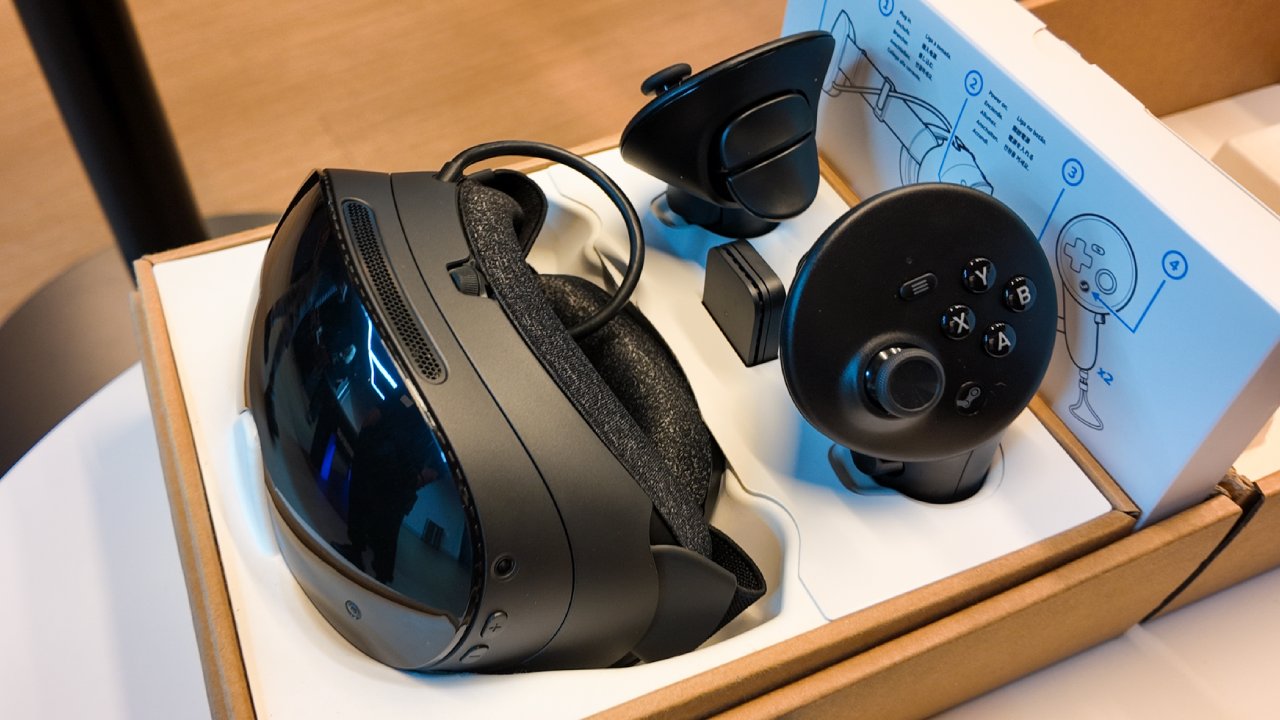
Final Thoughts
Valve's Steam Frame remains interesting because it's from a business that puts gaming first and brings real competition to the VR market. The headset looks like it's designed to provide you with a great all-around experience, similar to what the Valve Index did. It's got strong hardware, access to a huge gaming ecosystem, and some unique features that differentiate it from other standalone headsets.
Meanwhile, its long-term success still hinges on two big things: competitive pricing and important first-party software. If Valve achieves both with the Steam Frame, the headgear might be one of the most exciting VR releases in years.
Editor, NoobFeed
Gaming Hardware Updates
No Data.