
DON'T NOD Faces Severe Downsizing and Risk of Final Studio Closure
The studio behind Life is Strange has a few months to decide whether it shrinks to a shadow of its former self or shuts down for good.
News by Adeela Tas on Oct 28, 2026
If you've seen the news about DON'T NOD over the last day or so, you already know it isn't pleasant. The studio hasn't been in a healthy place for quite some time, longer than most people following it would care to admit, and the latest reports suggest things have gone from bad to critical. Here's a rundown of what's happening, how it got here, and why the outlook looks so grim. The biggest story right now is the wave of layoffs hitting DON'T NOD.
Union workers have gone public with accusations of illegal management practices, saying leadership shows no concern for the damage their approach does to employees' health. Separately, a report citing an insider says an upcoming project, known only by the code name P14, probably can't continue because layoffs targeting non-managerial jobs are coming.

It's not entirely clear what P14 refers to.
You might assume it's a sequel to Lost Records: Bloom & Rage, since the studio was juggling several projects and a follow-up was reportedly among them until recently. Code names are hard to keep straight, though, so treat that link as a guess instead of a confirmed fact. What does seem solid is that the company has scaled back and may now be working on only one or two projects instead of several.
As for what comes next, the coming months look like a do-or-die stretch for DON'T NOD. From what's been reported, management has to draw up plans for each possible outcome and submit them for approval. If a plan isn't accepted, it goes back for another round. Once one is approved, the studio either closes completely or trims so much that almost nothing is left.
Upper management gets to pick between those two paths, and neither is good news for the people on the payroll. The way the layoffs are being described makes it sound even worse. One post claimed that out of ten art jobs, only two would be kept. It also seems like specific people are being singled out.
It's unclear whether the company is even allowed to do that, since the union situation and the studio's location make the legal side more complicated. Either way, within a month or two it will either find a way through as a much smaller version of itself or, in the worst case, close its doors.
Money is the core problem at DON'T NOD.
The company reportedly doesn't have enough to pay its bills, keep people employed, or even keep the lights on, and it might not make it into 2027. None of this is brand new, either. Early in the year, warning signs suggested it might not survive to the end of 2026.
Back then, it was easy to push that aside, since nothing was closing and there was no reason to worry in April. Now it's late October, November is around the corner, and those warnings feel much more real. The conversation has moved past what could happen and into a forced choice between shrinking and shutting down.
It's hard to cover this without mixed feelings. Plenty of the people affected helped make some of the most memorable games around, and DON'T NOD has a real place in many players' histories. The first Life is Strange is easily one of the best games you can play, and Banishers: Ghosts of New Eden is remarkable, too.
It might not top anyone's all-time list, but if you haven't tried it, it's the kind of recommendation that rarely steers you wrong. It's the sort of title you'll wish you'd heard about sooner. At the same time, it's fair to say the studio did a lot of this to itself. That isn't meant to be cruel.
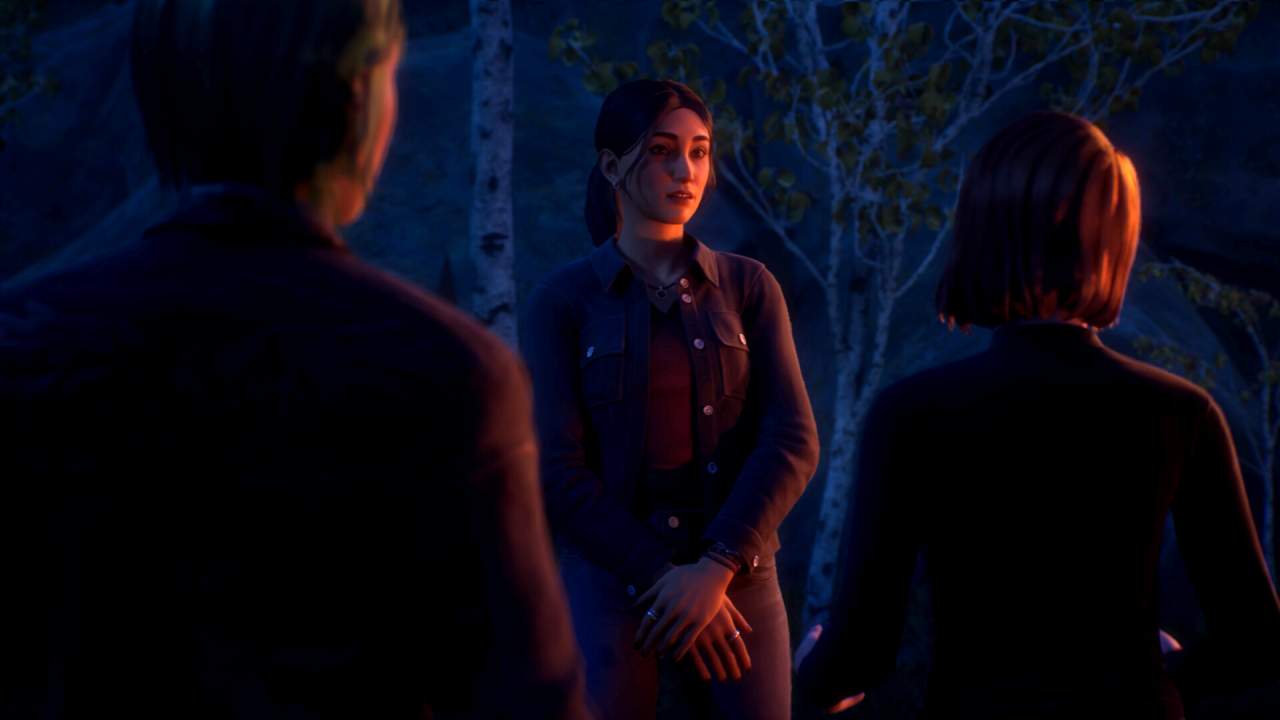
There's room in the industry for games like Twin Mirror or Tell Me Why, and for something like Lost Records: Bloom & Rage, but a studio has to be smart about how it handles them, and DON'T NOD hasn't been. The same pattern runs through nearly every release of the past decade: good games that don't sell, and bad games that don't sell either.
The common thread is that none of them gained traction.
Take the second Life is Strange game. It sold a fraction of what the first did, and it still doesn't have the long tail the original enjoys. No game in that series has matched the first one's staying power. But that sequel is among the biggest things DON'T NOD has ever released, which says a lot about how the rest of the catalog has performed.
These days, the two games that keep bringing in money are Life is Strange and Vampyr. Twin Mirror and Tell Me Why aren't adding anything, even though some are better than others and perfectly decent. Banishers: Ghosts of New Eden is a good example of a game that deserved better. It's arguably the best-written thing the studio has made apart from the first game that started it all, and it still sold about as badly as a game can.
It may not even have reached 100,000 copies. Jusant is another really good one, and it didn't sell at all. Even Lost Records: Bloom & Rage, which many people called the big comeback, sold only okay. You could argue that Banishers was the real comeback, and in terms of quality, it sits comfortably ahead of that one.
Lost Records: Bloom & Rage also landed on subscription services, possibly both Game Pass and PlayStation Plus. Deals like that bring in cash, maybe somewhere between five and twenty million dollars, but if people play the game through a subscription instead of buying it, the game itself earns little beyond that payment.
This was supposed to be the all-in moment, the project the studio leaned on to get back on its feet.
It may have won over some of the fandom, but it clearly wasn't enough, particularly when everything else around it, from Twin Mirror to Tell Me Why to Jusant, failed to sell. Then there's Aphelion, which arrived this year even though it feels like it came out five years ago. It wasn't a good game. It had some good moments, and the ending was pretty solid, but overall it leans toward the bad side.
Reportedly, the director left right before launch, and the project was surrounded by drama. Aphelion sold dismally. People posting Steam player counts can get annoying, but here the numbers say something. It had around 20 players on day one and never seemed to reach even 100 daily. A single-player game doesn't need months of steady crowds, yet this is tiny.
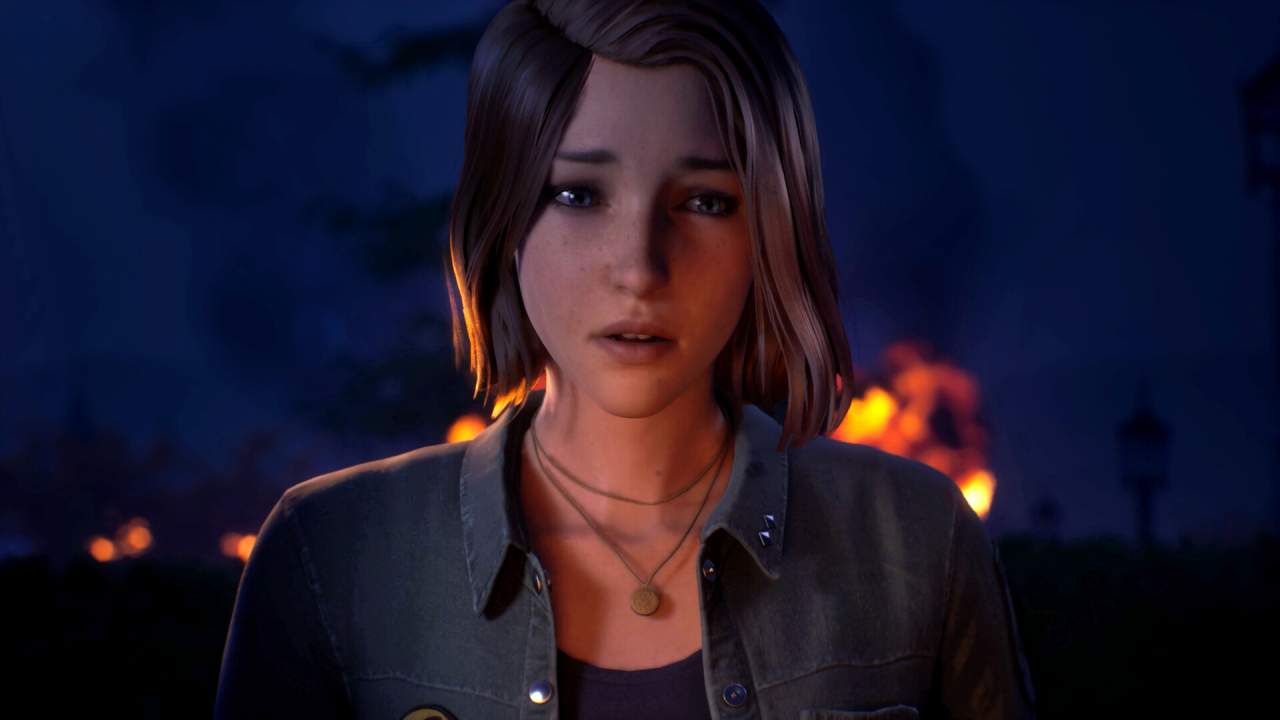
It's hard to imagine Aphelion hit 50,000 units, and a player who bought it reckons they were one of maybe 20,000. The situation echoes what happened with BioWare. When Andromeda effectively ended Mass Effect, then Anthem and Dragon Age: The Veilguard followed; it showed how a decade of missteps plays out.
The team had the right people to make Mass Effect, and it's a shame to see that franchise canceled. There's one important difference, though. BioWare answered to EA, so some calls, like Anthem's direction, weren't entirely its own. DON'T NOD has no such cover. It's independent, nobody told it what to do, and that puts more responsibility on its shoulders.
Its split with Square Enix over its biggest series is the one place where blame can be shared.
None of this is meant to be mean, just honest. The studio has made amazing things and probably still could, but the last ten years have been a slow slide, with a few gentler stretches and never a real recovery. The peak came with the first game, and it's been downhill since.
Realistically, closure looks likely at some point, if not now, then eventually, much like the BioWare story, because a turnaround is hard to picture for DON'T NOD. Fans who buy each release themselves, as plenty have done with Banishers: Ghosts of New Eden, are doing their part, but that probably won't be enough to save DON'T NOD.
Editor, NoobFeed
Related News
No Data.