
Mass Effect Fans Fund Times Square Billboard to Save Franchise
A Times Square billboard, a record petition and fresh comments from former developers show where the campaign stands.
News by Adeela Tas on Oct 28, 2026
The push to bring back Mass Effect is still going, and the community behind it deserves credit for not letting up. Fans have spent weeks showing that this franchise still matters to them, and even if nothing comes of it, they can point to the effort and say they tried and they cared.
The petition has now passed 200,000 signatures, which makes it larger than any other petition for a physical game. On top of that, a fan paid for a Mass Effect billboard in Times Square. Destiny players boycotted Marathon so heavily that Bungie had to back down, or the studio would have gone under.

EA is in a different position, since the company can live without this series.
The next billboard is already planned and will be simpler, with a QR code that links to the petition. As far as anyone can tell, nobody is crowdfunding any of this, so these fans are paying out of pocket. The billboard went up almost immediately after the announcement, and the gesture matters more than the ad's size.
For anyone who worked on the first three games, seeing this many people refuse to let go of their work is exactly what art is supposed to do. With that in mind, here is what former BioWare staff are saying about the canceled Mass Effect project.
Canceled games tend to sound great because you react to the idea rather than the execution. You never play it moment to moment, and you never see the writing, music, gameplay, and pacing come together. Nobody is wrong to compare the mood trailer for the canceled project with the one released for Dragon Age: The Veilguard and conclude that the earlier one showed a better grasp of what the series is about.
A laid-off cinematic supervisor posted a message saying the next game would give you a level of autonomy and choice that nothing else on the market matched. He said the team had watched what Larian and CD Projekt were putting out and set out to push the series forward while staying faithful to the original trilogy. He added that he felt for the small team of developers who stayed until the end.
Hearing the team openly name Larian and CD Projekt is encouraging, because those two are the new standard in role-playing games.
The hope was that, after the previous game's lesson, with the series returning to single-player, BioWare could climb back into that conversation instead of staying behind for good. If you come from a Bethesda background, you know how it feels when a favorite developer ignores its rivals and assumes it is ahead because sales look good, even while it gets outplayed on the RPG side.
More detail came from a livestream with the technical director of Mass Effect Universe, and an insider shared a translated summary. According to that summary, the protagonist was fully customizable and could pull off the combat moves seen in the trailer.
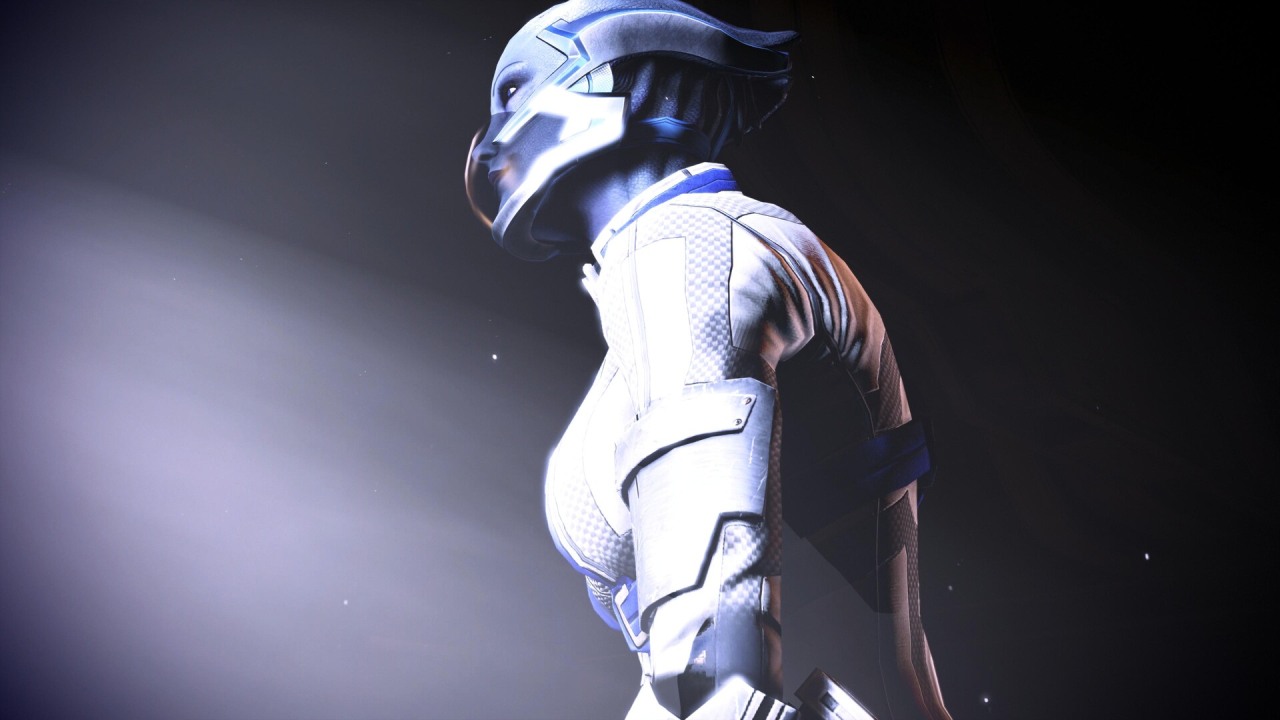
The game tracked everything, and choices from the first three games carried over. The project was called Universe because you could link your saves to create a parallel universe, and even generate timelines that resembled Zero Time Dilemma.
You could make decisions that contradicted earlier ones, and the game would turn that into plot points. Missions did not fail because you killed someone, since the path stayed open. Full autonomy was the foundation, so two players would get the same story told in different ways. The Barman were a new race, and the hand device from the trailer may have generated tentacles.
The biggest point is that choices from Mass Effect 1 through 3 would count right from the opening, shaping how the story branches.
One clear sign that The Veilguard missed the mission was the Dragon Age Keep, which carried over only three choices compared with the many tracked for Inquisition. Now picture everything you decided across the trilogy: Virmire, the suicide mission, the loyalty missions with characters like Tali, what happened to Mordin. All of that was meant to change your starting point.
The last game to do something like that was Dragon Age: Origins, and this would have taken the idea further. Despite how badly the last few BioWare games left you feeling about the studio, there was something to believe in here, and it came from the people being brought in.
Austin Wintory called Mass Effect his white whale and dream project. He said he spent a couple of years in talks with the studio and the publisher, and wrote close to 20 minutes of music to explore where the series could go, then shared it publicly.
His credits include the music for Flow and Journey, the entire Banner Saga trilogy, Assassin's Creed Syndicate, The Pathless and Sword of the Sea. The soundtrack is a huge part of this series, from the map-screen theme to Vigil, Noveria, and the opening of the third game, so a composer like Austin Wintory would have been a strong follow-up.

A lot of misinformation has circulated about this game.
The team behind the previous game was let go, so they didn't make it, and it's sat in development for six years. This group was brought in to help ship the earlier game and only started real work after the layoffs. That means a small amount of pre-production plus a year or two of real work toward a 2028 release.
Many of the people involved came from other parts of the industry. Story director Mary DeMarle worked on Deus Ex and Guardians of the Galaxy, and only a few leaders, such as Mike Gamble, were longtime BioWare people. Art director Nicolas Bouvier posted that from April until the closure, he led art on the Mass Effect franchise, working with a talented team that aimed to explore new territory while staying true to the trilogy.
He called it heartbreaking that the work will never be seen and said that in nearly 30 years he had rarely seen a group so tightly knit. Gamble replied that few people were on his list to replace Derek Watts, the longtime art director who retired.
Bouvier's résumé is mixed, with Assassin's Creed credits and lead roles in Halo 4, Halo 5, and Halo Infinite, where many XBOX players dislike the art in the first two. He does not excite you the way Austin Wintory does, but the work is respectable.
Then there is the state of EA, which is not good.
After the cuts, current and former workers described a company run to funnel cash toward its new private owners. About 400 people lost their jobs as the studio closed, and Maxis, Full Circle, Motive, Respawn and Ripple Effect were also hit. One source thinks EA does this to isolate those let go.
Work is left in limbo because nobody knows who finished what, leading to delays and mismanagement. Those laid off met on Zoom with chat disabled and no chance to speak to coworkers. Open internal roles mostly require three days a week in the office, which does not work for remote staff, at a company carrying $20 billion in debt.
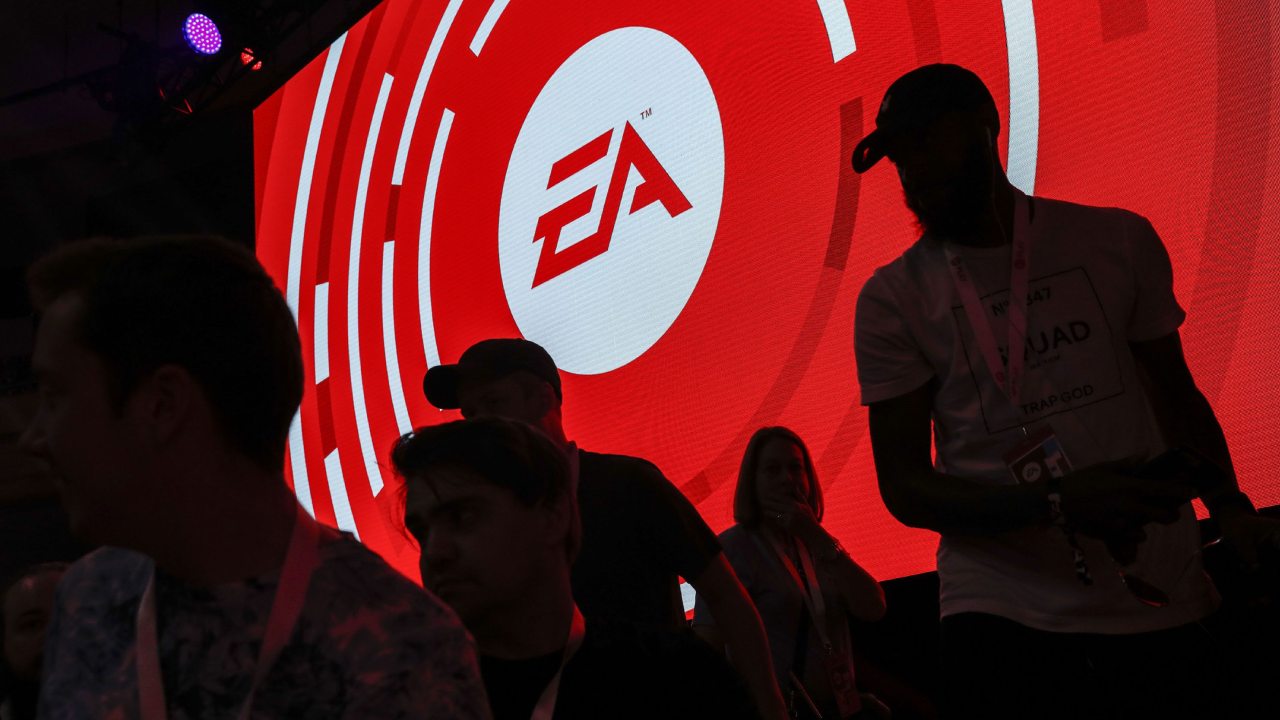
Morale is reportedly terrible. Management is excited about generative AI, and while it is not mandated, managers keep saying you have to get on board. At an investor event, EA showed a game map of cardboard boxes created from a prompt, which is how it wants games made.
You could argue it is a blessing that Mass Effect escaped that, since it would have done the same damage that The Veilguard did to Dragon Age. Those who worked at the studio felt it slowly suffocated under mismanagement, repeatedly told to move away from choice, consequence, and companions toward live-service elements.
After Anthem failed, the next game nearly went the same way.
It stayed single-player and still missed its target by 50 percent, though a live version likely would have lost more. Even the new team was told to drop what makes the series great. One person said a lot of money went down roads that led nowhere, and another said leadership was shackled by fear and ruled by user research studies.
Mark Darrah says no one at the studio is left in a position to pitch a Dragon Age game, since the team is mostly Mass Effect people, though he believes the brand isn't broken and needs someone to quarterback it. He suggests starting with remasters, since Origins is a 32-bit application that barely runs on modern PCs.
Remasters make sense for the fantasy series, and they should be spaced out over several years. The one-team, one-project setup is also what gave Mass Effect a chance, and adding a second team would bring back the fight for resources. If the series ever returns, a reboot looks like the cleanest path.
Editor, NoobFeed
Related News
No Data.