
NVIDIA RTX 5090 Faces GB202 Supply Freeze Despite Discontinuation Denial
NVIDIA's RTX 5090 supply concerns deepen as reported GB202 restrictions and collapsing cooler orders raise questions about future production.
Hardware by Tanvir Kabbo on Oct 28, 2026
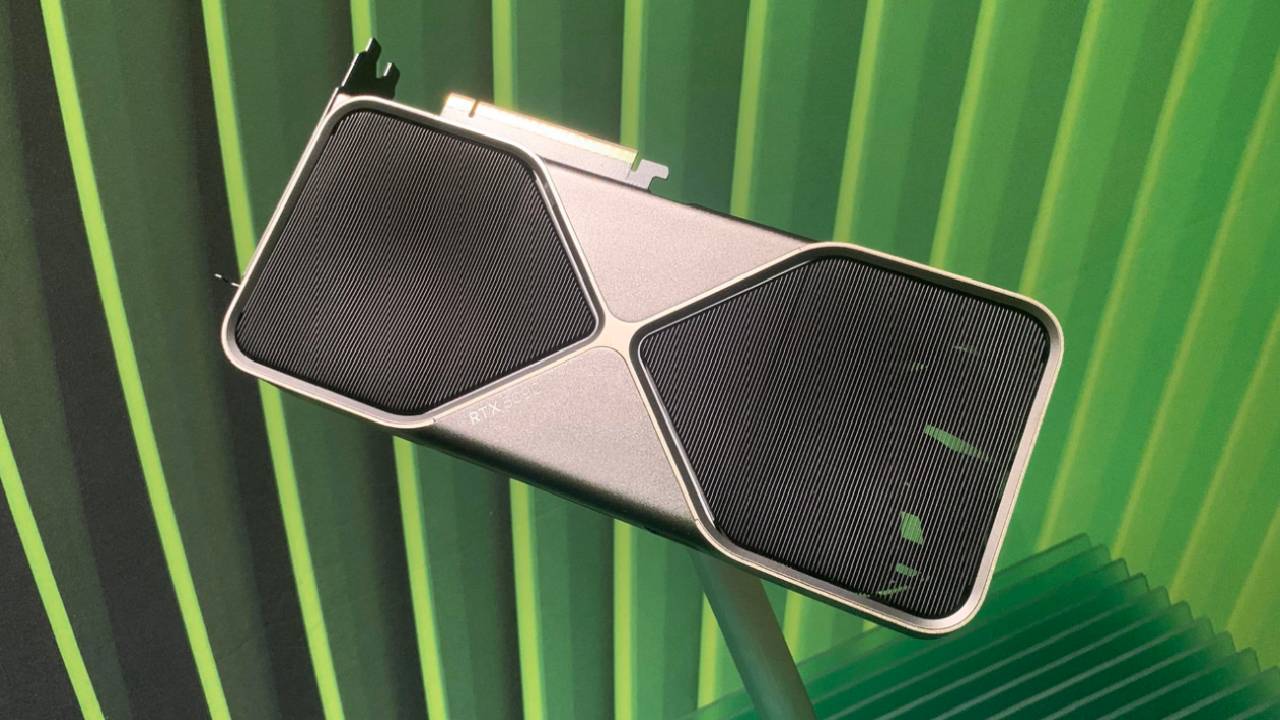
NVIDIA claims the GeForce RTX 5090 hasn't been discontinued, but chatter from board partners and cooling vendors suggests its flagship graphics card's future looks bleak. Manufacturers apparently can't get fresh GPU packages, and future production orders are vanishing, making the gap between what NVIDIA says publicly and what's happening in the supply chain harder to ignore.
For aficionados who paid thousands for the fastest consumer graphics card, this raises serious concerns. The RTX 5090 is the fastest gaming GPU you can buy, but NVIDIA's enterprise AI ambitions, not PC gamer demand, may now dictate its availability.
The GB202 Supply Freeze Raises Serious Questions
NVIDIA executive Jeff Fisher has reportedly denied that NVIDIA has discontinued the RTX 5090. However, information from German overclocker der8auer and an anonymous add-in-board partner paints a different picture.
According to the report, the board partner can no longer order GB202 GPU packages paired with 32GB memory, and even existing backorders are reportedly being rejected. This is more concerning than a conventional retail shortage because board partners cannot manufacture new cards without access to their essential components.
NVIDIA's flagship consumer GPU is built on the GB202 chip; therefore, manufacturers' ability to keep production lines running depends on availability. If new packages are no longer available, strong customer demand alone won't keep the RTX 5090 on store shelves.
The reported removal of the RTX 5090 from NVIDIA's own web store adds another warning sign. Although a missing listing does not prove permanent discontinuation, it reinforces concerns that consumer supply is being quietly reduced.
The limits don't mean every manufacturer has run out, since NVIDIA hasn't formally designated the card end-of-life. But a product can be effectively unavailable long before the manufacturer officially announces its demise.
2027: Cooler Collapse Hints at Production Slowdown
The most eye-catching element is the RTX 5090's cooling hardware. Reported supplier information indicates that board partners have drastically cut their cooler orders for Q1 2027 and have no orders for Q2 2027.
Custom graphics card coolers also require manufacturing capability, component planning, and cooperation with the GPU production schedule. A major decline in orders can thus signal that manufacturers expect fewer cards to roll off their production lines.
The lack of second-quarter orders is especially worrisome because it suggests the slowdown may not be a one-time inventory adjustment. If GPU packages are also unavailable, the combination suggests a potentially longer pause in new production.
But cooler orders alone don't guarantee manufacturing will halt indefinitely. Existing inventories, revised schedules, or other supply arrangements could change the situation. The concern comes from these reports reinforcing one another, not from any single indicator.
NVIDIA's AI Pivot Could Leave Gamers Behind
The likely commercial explanation is NVIDIA's increasingly lucrative AI and enterprise business. Its data center customers operate in a market where one high-end computing chip can generate far more revenue than a single gaming graphics card.
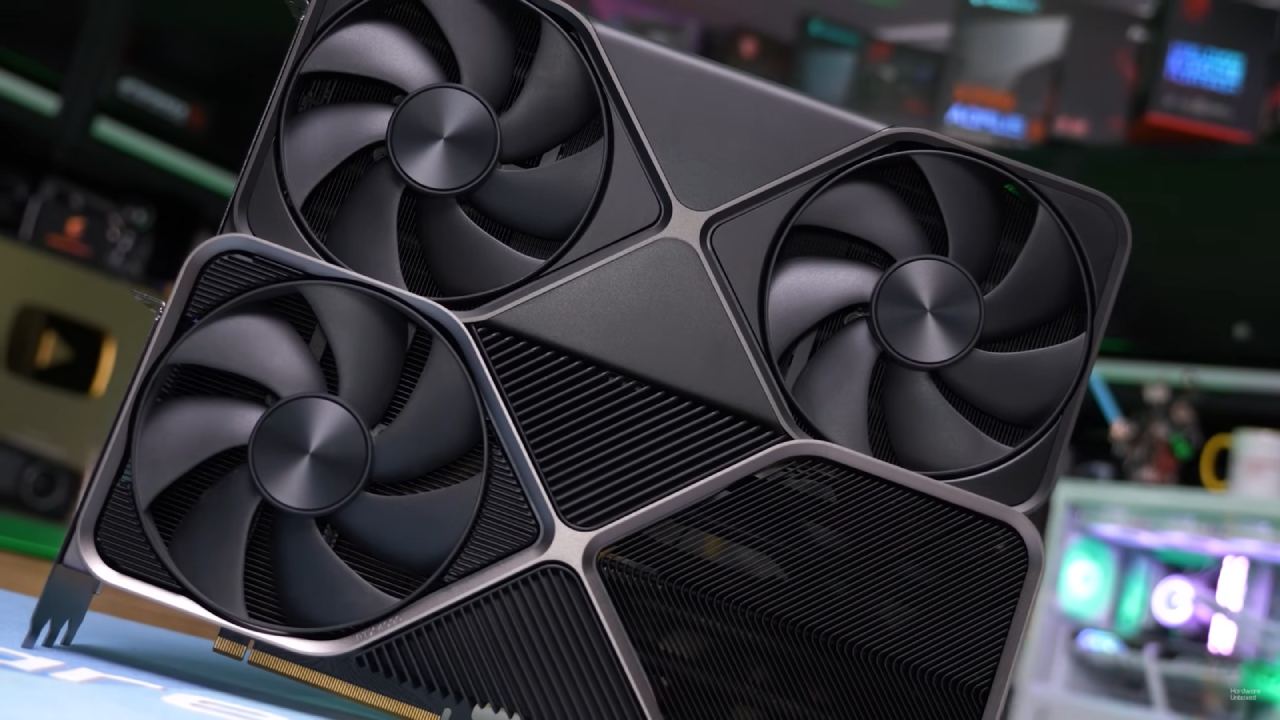
GPU, GB202 silicon, and 32GB of GDDR7 RAM are strong assets. While they deliver exceptional gaming performance, they also support similar high-end computing capabilities for professional workloads and AI development. As a result, NVIDIA has strong financial incentives to prioritize products for enterprise customers when component supply is constrained.
No independent verification exists of an allocation breakdown showing that all missing RTX 5090 packages have gone to AI products. But the reported supply constraints raise reasonable questions about whether retailers are deprioritizing consumer gaming gear.
It may have serious practical ramifications for enthusiasts. With fewer options, shoppers would have less to choose from, and retail costs could climb even higher than the already steep launch prices. A limited flagship can also skew the larger high-end market as customers have fewer alternatives.
But the bigger worry is that NVIDIA might be gradually deprioritizing gaming GPUs as it chases enterprise AI revenue. That would be bad news for consumers who helped cement the company's supremacy in PC graphics.
Senior Editor, NoobFeed
Gaming Hardware Updates
No Data.