
Nintendo Reportedly Issues DMCA Takedowns as Switch 2 Hacking and Emulation Efforts Expand
Nintendo is reportedly taking action against leaked Switch 2 game assets and experimental emulation projects as developers explore ways to run the console's games on other platforms.
News by Tahmid Mahi on Oct 28, 2026
To address the growing hacking and software experimentation around the Nintendo Switch 2, Nintendo appears to be taking action against some online content, with reports of DMCA takedown notices being issued by the company. The reported moves come as developers dig into the console’s software, extract game assets, and try to run its games through unofficial means.
Some demonstrations have already attracted attention online, including an early attempt to run Mario Kart World on macOS. However, the experiments remain far from a complete solution, and Nintendo's published content guidelines give the company grounds to challenge material it believes infringes its copyrights or circumvents its security protections.
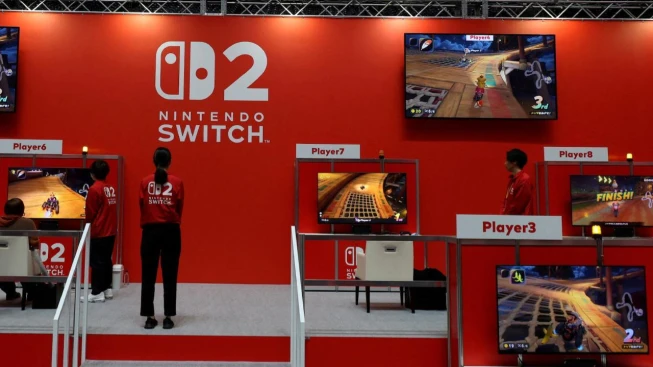
The reported takedown activity follows the appearance of assets allegedly extracted from Switch 2 games.
As more people investigate the console's software, images and other game-related material have reportedly begun circulating across online communities. Nintendo reportedly targets some of these uploads through copyright enforcement, warning content creators against reposting material obtained through data mining. The exact number of notices and the full range of affected projects have not been independently established, but the reports suggest that Nintendo is monitoring the situation closely.
The situation has attracted attention because the Switch 2 is still relatively new, yet technical experimentation surrounding the hardware appears to be progressing. Some developers are looking into how the system operates, while others in the community are attempting to replicate its software environment outside the official console.
These efforts range from digging into game files to testing if Switch 2 games can run through unofficial software. Such projects can generate considerable interest, but legal problems can arise from extracting protected assets and distributing copyrighted material, especially if that material is shared without authorization.
Nintendo’s response is also indicative of the company’s long-standing approach to protecting its games and hardware. Its content guidelines say material involving illegally copied or modified game software, unauthorized use of copyrighted Nintendo content, or unlawfully obtained games may be subject to its restrictions.
The guidelines also contain content showing how to use software or devices to circumvent security measures designed to protect Nintendo games and console systems. These provisions may be relevant to some of the material circulating online, although the legal position of any particular project will depend on its specific circumstances.
One of the more interesting developments is an experimental project to get Mario Kart World running on Mac OS.
The Switch 2 game reportedly was seen running in a demo shared online, using a tweaked version of NX Native, a project that involves translating Nintendo Switch software for Apple Silicon Macs. The experiment got people talking because Mario Kart World was made for Nintendo’s newer console rather than the original Switch.
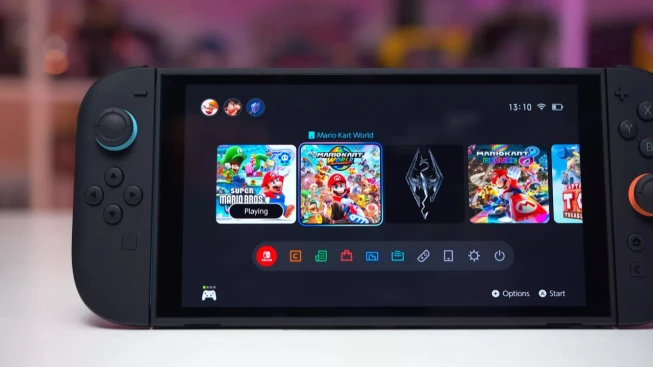
However, the demonstration reportedly had significant graphical problems. The game also had strange colors and other visual errors, showing that the software was not a polished or reliable way to play the title. One step of emulator development is getting to the point where a game draws images.
Developers also have to worry about hardware compatibility, graphics rendering, sound, performance, system functions, and a host of game-specific issues before a game can run reliably. So, treat the demo as a preliminary technical experiment, not as proof that a fully functional Switch 2 emulator is around.
The project is particularly impressive, as the Switch 2 has certain base system functions in common with the original Switch. That overlap could give developers a basis for starting to look at the newer hardware, though it doesn’t mean software built for the original console will instantly work on its successor.
The Switch 2 has its own hardware capabilities and technical requirements that unofficial projects would need to take into account. Even if developers could reuse parts of existing software, they would still have to overcome compatibility problems before producing a stable experience across multiple games.
The developer behind the macOS demo said they would not be releasing.
They also warned that anyone claiming to distribute their code would be misrepresenting the project while suggesting that other developers might eventually create similar software. This leaves the future of the specific experiment in question but does not necessarily mean that other attempts will cease.
Artificial intelligence has also been a part of the conversation around these developments. AI-assisted coding could allow some developers to experiment more quickly with complicated software, which could help accelerate early proof-of-concept projects, the source report says. But just because it can code quickly doesn't mean that the code is secure, functional, or legally safe to distribute.
Developers may also have a difficult time understanding every component of a project built by automated assistance, particularly when encountering unfamiliar systems. As such, it should not be viewed as the established reason for the breakthroughs that were reported. The extent to which AI has contributed to particular Switch 2 projects is unknown.
Another concern for anyone following these projects is malicious downloads. When hype for an up-and-coming emulator runs high, scammers can take advantage of users looking for early access by distributing files that promise working software. These downloads may contain malware or other unwanted software, especially if they are from unknown repositories or unofficial websites.
A project might look promising in a social media video, but that doesn’t guarantee it’s safe to download, and a demo doesn’t guarantee a different, real file exists. The software described is in an experimental state, so the users should be careful with running unknown programs on their computers.
As these projects move forward, Nintendo’s content guidelines will likely continue to be at the center of the dispute.
If there is content it believes may contain unauthorized copyrighted material or tools intended to evade security measures, the company can fall back on its published limits. Copyright takedowns may also impact people who reshare the extracted assets without having ever built the software themselves.
Still, a takedown notice does not resolve all of the legal questions surrounding emulation, research, or preservation. The specific situation in each individual case is important, and the distinction between sharing copyrighted content from games and writing software to emulate hardware functionality can be huge.
The situation also increases the tension between console security and the rest of the gaming community’s desire to know about gaming hardware. Developers may want to use emulation for technical research, compatibility testing, or game preservation. Publishers want to avoid unauthorized copying and to protect their commercial releases. Those goals can conflict when a project depends on copyrighted material or circumvents security controls.
There’s no clear indication that the experimental software is at a point where gamers would feel safe using it as a replacement for a Switch 2. The Mario Kart World demo that was shown still had big visual problems, and the developer involved has reportedly refused to release the code. Other projects may emerge, but their performance, safety, and legality will depend on how developers create and distribute them. If you're following the scene, you should know the difference between early demos and working software and not assume every viral claim is a meaningful breakthrough.
Nintendo’s reported DMCA activity suggests the company is tracking the spread of Switch 2 game assets and the development of unofficial software. With more experiments coming out, copyright enforcement and console security will probably continue to be big parts of the discussion.
The current projects might not result in any significant technical breakthroughs, but the reports suggest that the Switch 2 is already drawing the same kind of intense scrutiny that has surrounded other popular gaming systems. For developers and players, the next step will depend on how the technology evolves and how Nintendo responds to the projects that arise.
Editor, NoobFeed
Related News
No Data.