
Xbox Series X TOPS Explained: INT8, INT4, and FSR 4.1
TFLOPS and TOPS Measure Different Types of Computing Performance in Xbox Series X and PlayStation 5 Consoles.
XBOX by Nahe Yan on Oct 28, 2026
Gaming consoles use different types of calculations to render graphics, run game logic, and run machine learning technologies. Two measurements often mentioned in hardware specifications are TFLOPS and TOPS. Although their names sound similar, they measure different types of computing performance.
Understanding the difference helps explain how consoles such as the Xbox Series X and PlayStation 5 handle graphics rendering and machine learning-based upscaling. TFLOPS stands for trillion floating-point operations per second. Think of TFLOPS as the processing power a console's GPU uses for graphics calculations. A floating-point number is any number with a decimal point, such as 3.14.
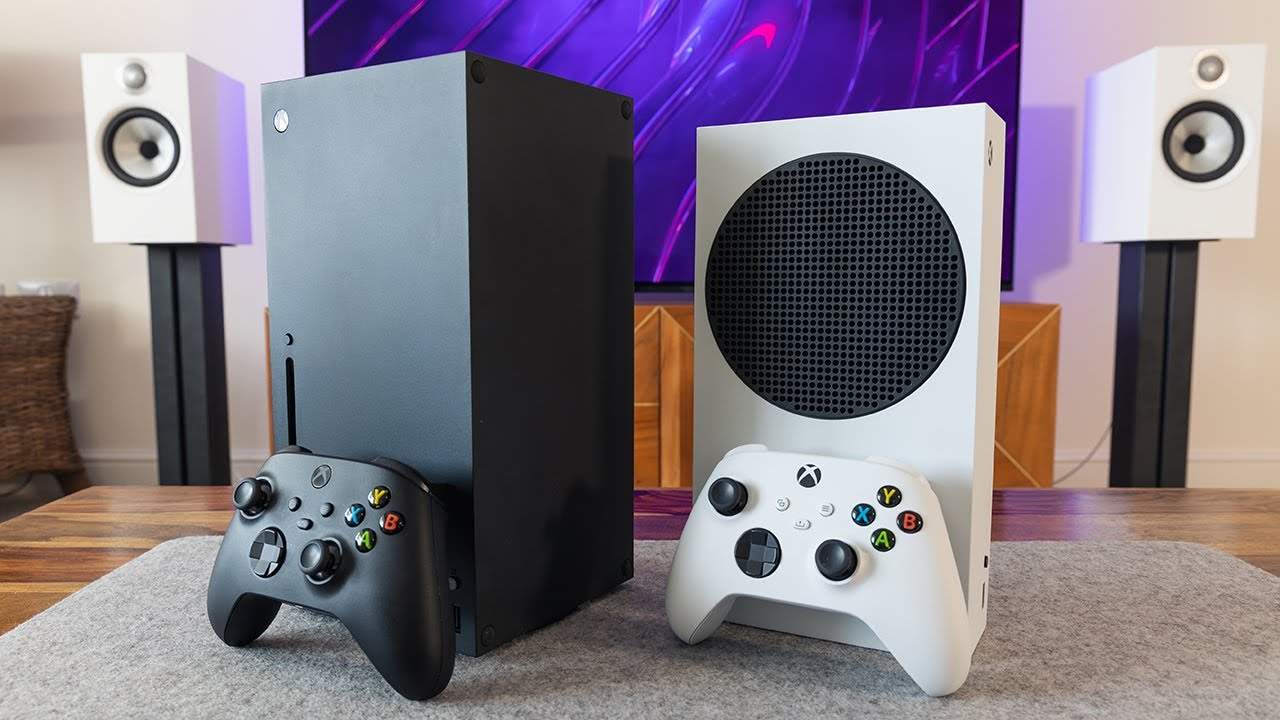
What Are TFLOPS?
In 3D video games, the graphics processor constantly calculates numbers to determine lighting, shadows, physics, trajectories, and the positions of polygon vertices. When Microsoft says the Xbox Series X delivers 12 TFLOPS, specifically 12.15 TFLOPS using FP32 (standard 32-bit single-precision math), it means the console's custom RDNA2 graphics processor can perform roughly 12 trillion floating-point operations per second.
TFLOPS help with traditional rendering, running games at 4K resolution, increasing frame rates to 120fps, and handling hardware-accelerated ray tracing. However, floating-point calculations can be less efficient for AI and machine learning workloads. TOPS stands for trillion operations per second. Unlike TFLOPS, the term does not specifically refer to floating-point calculations.
Instead, it measures how many operations a processor can perform, often using lower-precision integer math for artificial intelligence and machine learning. AI and machine learning algorithms can use whole numbers, or integers, at smaller data sizes, such as 8-bit INT8 or 4-bit INT4 precision. These tasks do not always require the decimal precision used in traditional graphics calculations.
By reducing precision, hardware can perform more operations per clock cycle. Machine learning workloads can include predicting NPC behavior, processing procedural audio, and running image-upscaling technologies. Lower-precision calculations let us run more operations without the same resource cost as higher-precision math.
How TOPS Performance Scales on Xbox Series X
To understand how this works on the Xbox Series X, we need to look at the available computing performance for different precision levels. FSR 4.1 is expected to use INT8, which relies on 8-bit integer operations for machine learning calculations. According to the figures discussed, the Xbox Series X provides up to 48TOPS of INT8 computing performance.
At INT4 precision, the theoretical figure reaches approximately 97TOPS. These numbers may seem much higher than the console's 12.15 TFLOPS of FP32 performance. However, we should not interpret 97TOPS of INT4 performance as meaning the Xbox Series X is an AI supercomputer that can outperform a traditional GPU by eight times.
Instead, these figures represent theoretical peak performance when the console's compute units are dedicated to low-precision integer calculations, such as running machine learning models through Microsoft's DirectML API. In real gaming workloads, those same compute units must also handle graphics rendering, lighting, physics, and other tasks.
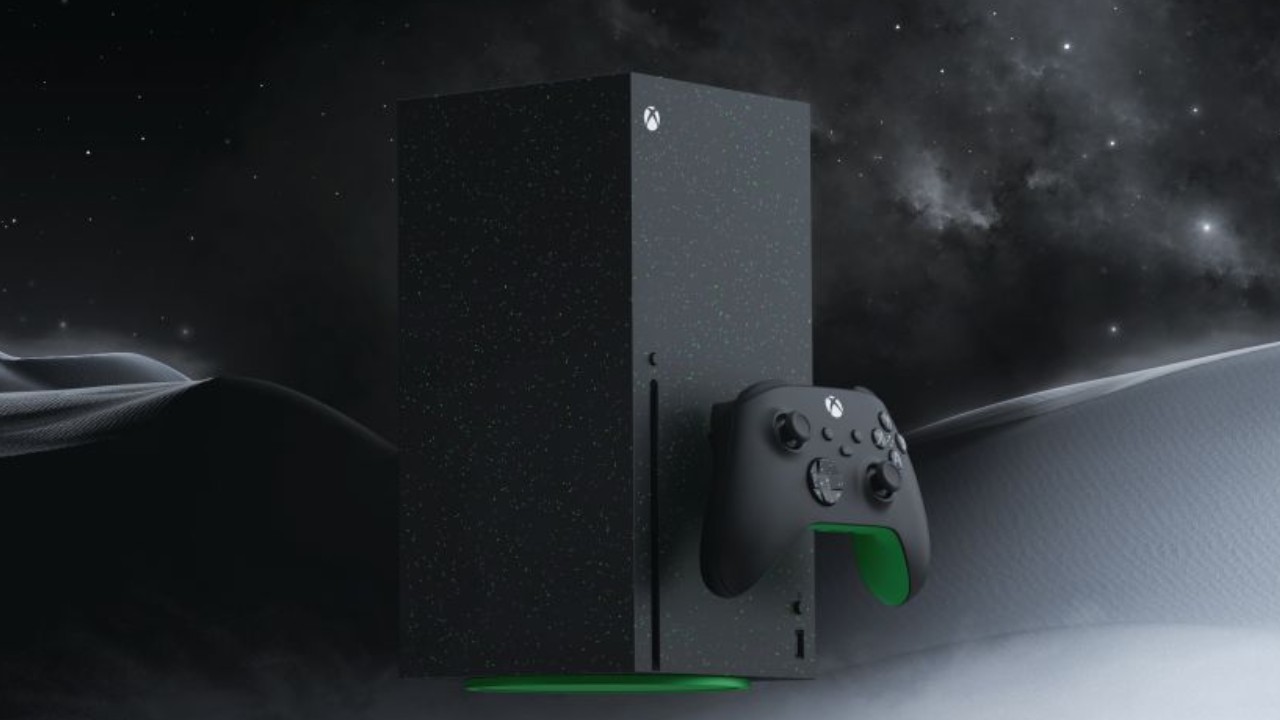
Understanding the difference between TFLOPS and TOPS is becoming more relevant.
Machine learning-based calculations and features are expected to play a role in how future gaming hardware processes graphics and other workloads. As discussions about upcoming consoles continue, both measurements will appear in hardware specifications and performance comparisons. However, we should avoid treating them as interchangeable figures because they describe different types of computing performance.
TFLOPS help explain floating-point processing capacity for tasks such as traditional graphics rendering. At the same time, TOPS can describe the throughput available for machine learning operations, particularly when lower-precision calculations are used. Next time you compare console specs, remember that a single number cannot explain the full performance picture.
TFLOPS help process the calculations behind the pixels, while TOPS can help handle the computing workloads behind machine learning features. Understanding both measurements gives a clearer picture of how current and future consoles may approach graphics rendering and AI-based technologies.
Editor, NoobFeed
Latest Articles
No Data.