
Intel Razor Lake Leak Reveals 12 P-Core CPU With bLLC
Intel's next-generation gaming processor reportedly combines 12 dedicated Performance cores, expanded cache, and an advanced in-house manufacturing process.
Hardware by Tanvir Kabbo on Nov 18, 2026
Intel has spent several generations trying to challenge AMD's dominance in enthusiast gaming CPUs, particularly against Ryzen X3D processors that use additional cache to deliver impressive gaming performance. While Intel has continued refining its hybrid architecture, a new leak suggests the company could take a radically different approach with its 2028 Razor Lake-S desktop lineup.
According to leaks, Intel is reportedly preparing an unlocked Core Ultra 5000-series processor featuring 12 dedicated Performance cores, Big Last Level Cache (bLLC), and an internally manufactured compute tile. The rumored design combines a 12+0+4 configuration with Intel's 18A-P manufacturing node, potentially creating one of the company's most gaming-focused desktop processors in years.
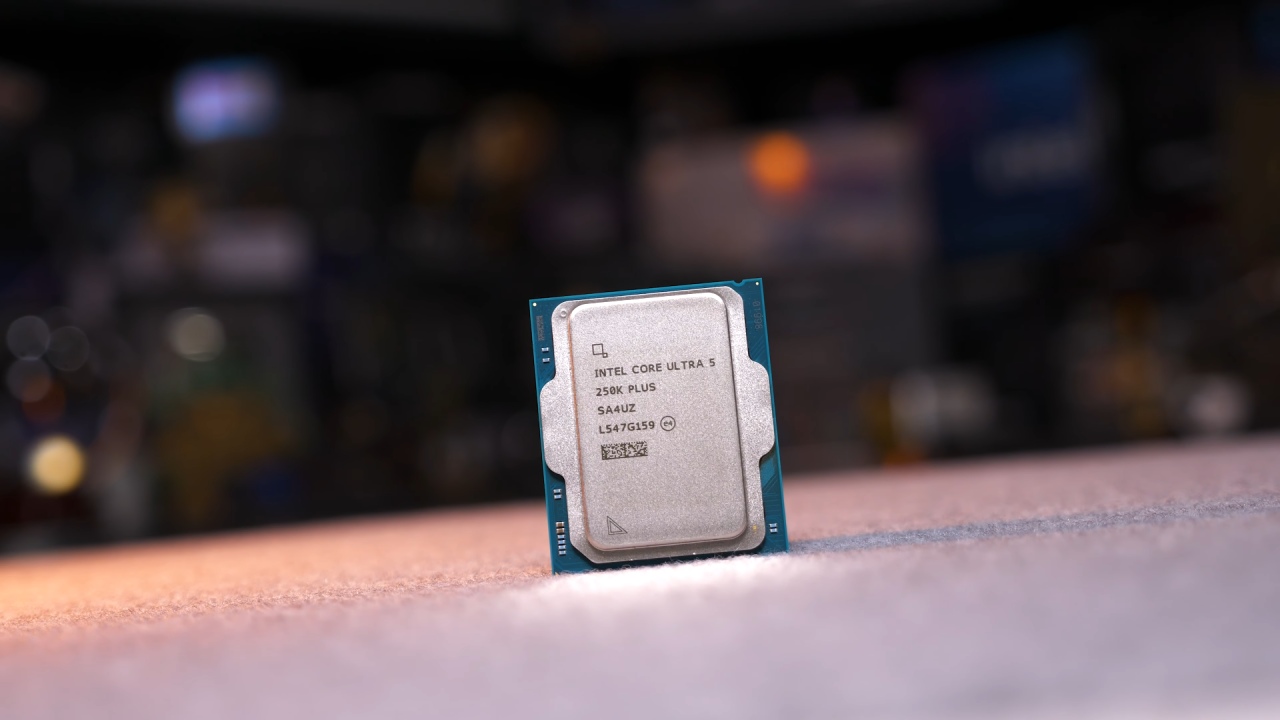
Why Intel's 12 P-Core-Only Die Matters for Gaming
The most interesting aspect of this leak is how Intel intends to arrange its processing cores. The reported 12+0+4 configuration consists of 12 Coyote Cove Performance cores, zero conventional Efficiency cores, and four Low-Power Efficiency cores.
This represents a significant departure from Intel's established hybrid desktop architecture, which combines P-cores and E-cores within its compute designs. However, this is not simply a conventional hybrid die with its E-cores disabled. Jaykihn reportedly clarified that all 12 P-cores occupy a dedicated P-core-only compute die, rather than being distributed across multiple smaller tiles.
For PC gamers, this could be an interesting architectural improvement. Modern games depend heavily on predictable thread scheduling, consistent core performance, and low communication overhead. Although Windows has improved its ability to manage Intel's hybrid processors, distributing workloads between different core types still adds scheduling complexity.
A dedicated P-core compute tile could simplify workload distribution by giving demanding game threads a uniform set of high-performance cores. Keeping all 12 cores together could also reduce the communication overhead of distributing processing workloads across separate compute tiles.
However, removing standard E-cores does not automatically eliminate scheduling latency. Cache behavior, memory access, interconnect design, and clock consistency will remain important factors in determining actual gaming performance.
Intel bLLC Could Challenge AMD Ryzen X3D
Intel's reported inclusion of bLLC (Big Last Level Cache) could be just as important as its decision to prioritize P-cores. AMD has demonstrated the gaming advantages of larger CPU caches through its Ryzen X3D lineup. Processors such as the Ryzen 7 9800X3D have established a strong reputation among gamers by reducing the need for frequent system memory access in cache-sensitive workloads.
Intel appears determined to pursue a similar strategy. An enlarged last-level cache could keep frequently accessed game data closer to the processing cores, potentially improving performance in simulation-heavy games, large open-world environments, and CPU-intensive workloads. Combining 12 dedicated P-cores with bLLC could give Intel a more focused gaming architecture, rather than relying primarily on higher hybrid core counts.
The rumored processor is also reportedly unlocked, replacing an earlier locked 8+0+4 bLLC configuration. This could make the new SKU more attractive to enthusiasts who want to overclock and extract more performance from their hardware.
However, Intel's actual cache capacity remains unknown. Cache latency, operating frequencies, and power consumption will ultimately determine whether bLLC can compete with AMD's 3D V-Cache.
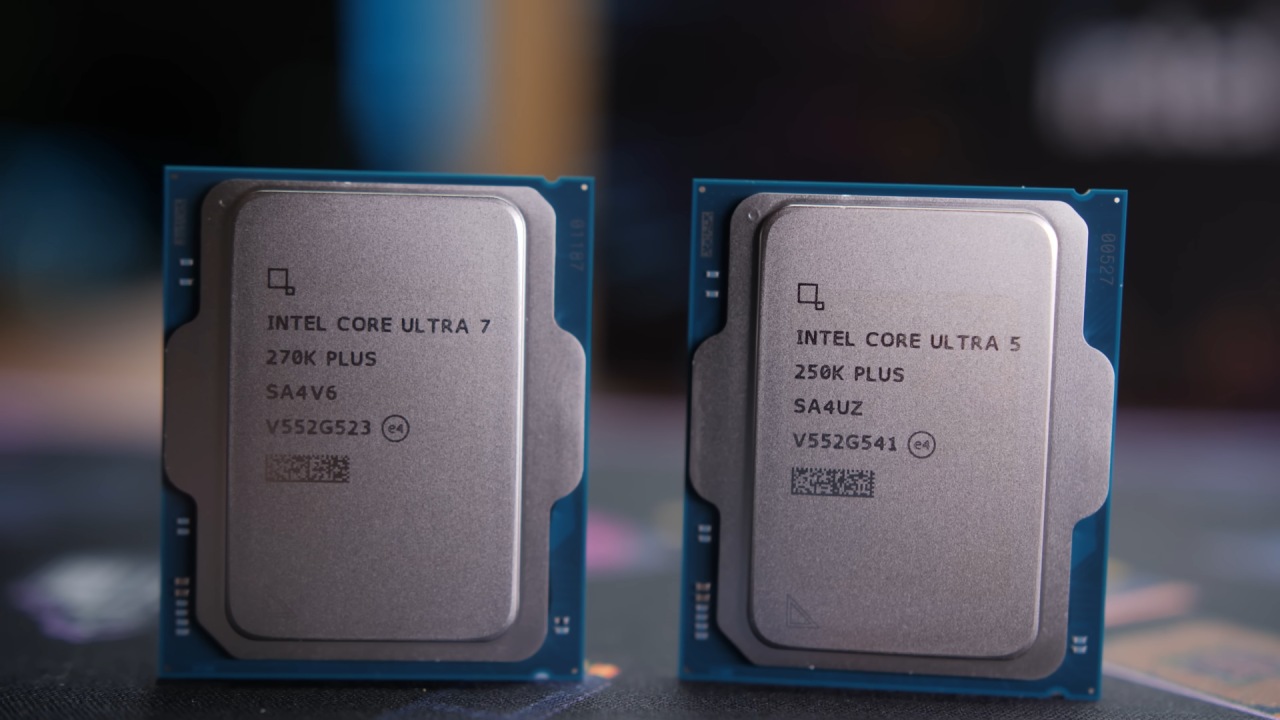
Intel 18A-P Creates an Interesting Foundry Split
The manufacturing decision is another major development. According to the leak, Intel will manufacture this dedicated 12 P-core compute tile using its own 18A-P process, making it an exception within the broader Razor Lake-S lineup.
Other reportedly planned configurations, including 4+8 Coyote Cove and 8+16 Griffin Cove variants, are expected to use TSMC's N2P manufacturing process. This suggests Intel could reserve its internal manufacturing capabilities for a specialized enthusiast processor while outsourcing other compute tiles to TSMC.
There are several possible motivations. Intel 18A-P could provide an attractive balance of power efficiency, transistor density, and operating frequencies for this particular design. Meanwhile, using TSMC N2P for other processors could provide manufacturing flexibility and help Intel manage production costs.
It also allows Intel to demonstrate its foundry capabilities through a premium, gaming-focused product. However, the manufacturing split does not guarantee higher clocks or lower costs. Those advantages will require independent testing.
FAQ
Q. What is Intel's rumored Razor Lake 12+0+4 configuration?
A. Intel's rumored Razor Lake processor features 12 Coyote Cove Performance cores, zero standard Efficiency cores, and four Low-Power Efficiency cores, with all 12 P-cores placed on a dedicated compute die.
Q. What is Intel bLLC, and how could it improve gaming performance?
A. bLLC (Big Last Level Cache) is Intel's reported enlarged cache technology designed to keep frequently accessed data closer to the CPU cores, potentially reducing memory access latency and improving gaming performance.
Q. Which manufacturing node will Intel use for the Razor Lake 12 P-core processor?
A. The rumored 12 P-core compute tile will reportedly use Intel's 18A-P manufacturing process, while other Razor Lake desktop configurations are expected to use TSMC's N2P node.
Q. When is Intel Razor Lake-S expected to launch?
A. Intel Razor Lake-S is reportedly targeting 2028 as part of the Core Ultra 5000 series and is expected to use the LGA-1954 socket.
Senior Editor, NoobFeed
Gaming Hardware Updates
No Data.