
Jensen Huang Returns as NVIDIA CEO, Securing GeForce and RTX 60 Series Future
Jensen Huang's unexpected return to NVIDIA raises new questions about GeForce's future, AI investments, and the upcoming RTX 60 Series.
Hardware by Masaru Hoshino on Nov 25, 2026
Jensen Huang has been reinstalled as NVIDIA's president and CEO after a stunning leadership reversal. He left less than two weeks ago, and after several conversations, the board unanimously approved his return. The board said it was comfortable with Huang's character and leadership ability and did not consider him a national security danger.
NVIDIA Board Unanimously Reinstates Jensen Huang
Huang's return is particularly startling, given the board's professed confidence only days ago that he would not return. However, after numerous discussions, the board changed its stance and allowed him to take back the helm. Huang has also said he is honored to be back at NVIDIA.
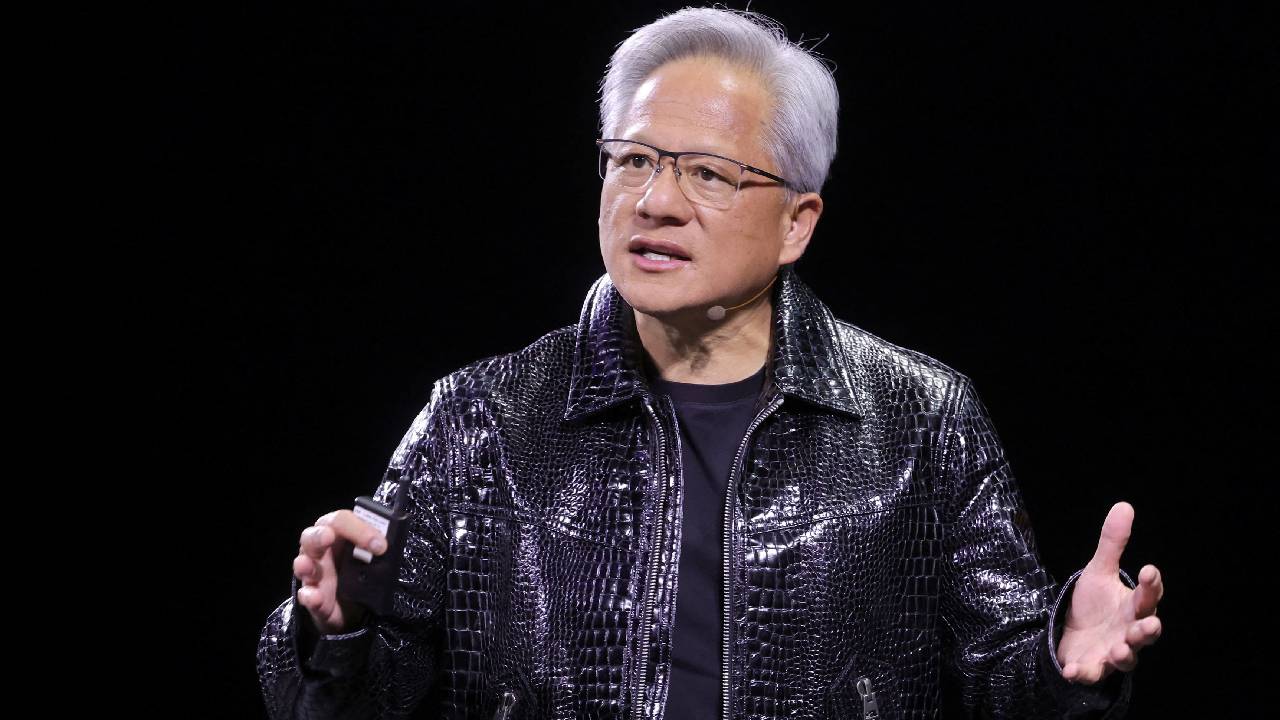
The timing raises questions about what happened behind the scenes. One possible factor is investor confidence that has been hit during the leadership disruption.
NVIDIA's stock price fell from about $218 in late October to about $125 at its low. The price then bounced back to around $166, a reported daily gain of over 32.5% at the time. Predicting stock movements is hard, but the drop revealed how uncertain investors were about the company's path.
Former NVIDIA CFO Colette Kress also faced the daunting task of stepping into a leadership role immediately. Investor meetings, earnings presentations, and questions about NVIDIA's future require extensive preparation. The change was especially tough because everything happened so fast.
AI Spending Continues to Raise Financial Concerns
With Huang back, NVIDIA could have clearer leadership and greater confidence. But several issues facing the AI sector remain unresolved.
The most unsettling aspect about Anthropic is the financial responsibilities. The corporation has around $900 billion in aggregate investment pledges, mostly for compute infrastructure and data centers, according to reports. Total debt is said to be around $450 billion, due by the end of 2030, with about $70 billion payable in the next 12 months.
These numbers raise red flags about the sustainability of AI infrastructure investments, especially when companies pour vast sums of cash into building out infrastructure while still struggling to become profitable.
We should also take note of Oracle's financial status. While the business said its contract with OpenAI is completely funded, the AI maker still has significant financial obligations. This raises uncertainty about the financial ties that sustain the broader AI infrastructure market.
AI Server Prices Increase by Up to 45%
Another worrying development is the Financial Times piece published on November 22. AI server makers are said to be raising prices by as much as 45% on already signed contracts. The price changes after agreements are signed show tremendous pressure on demand for AI gear, although not all customers will have to pay the full hike.
Meanwhile, memory prices could fall by mid-2027 due to lower demand and rising channel inventory. Further output from manufacturers such as CXMT could further relieve supply. Ultimately, these changes may affect GPU supply and pricing.
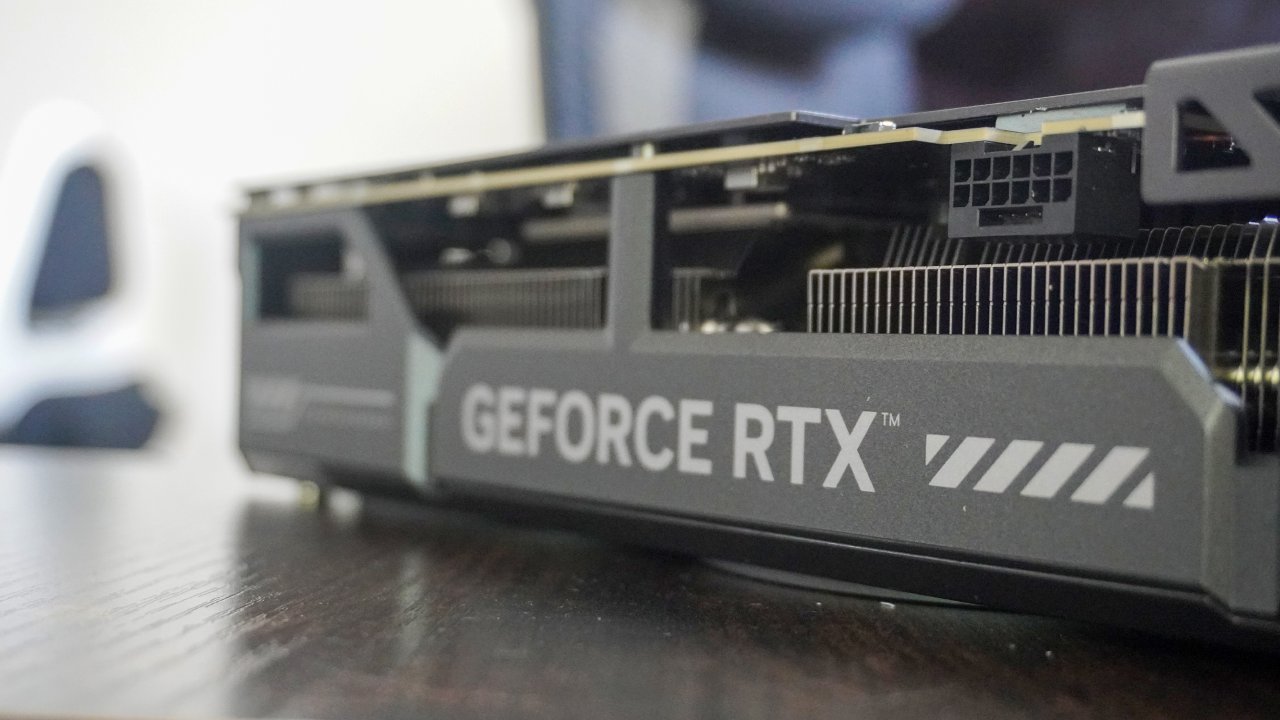
Jensen Huang's Return Could Protect GeForce and RTX 60 Series
The key concern for gamers is what Huang's return implies for NVIDIA's gaming business. It's easy to see why some worry the firm will keep favoring AI and data center products, which generate far more revenue.
But if Huang continues to lead, it might give GeForce its best chance to stay central to NVIDIA's commercial strategy. The RTX 60 Series is also expected to be phased out eventually, though the company's exact plans remain unclear. AMD is also becoming more data center-focused, so the battle for AI infrastructure is only intensifying.
What Comes Next for NVIDIA?
Huang's return might restore stability at NVIDIA and reassure the companies that rely on its products. There was also likely tremendous external pressure on the leadership situation, but the extent of any White House engagement is unclear.
Nevertheless, his comeback isn't likely to fix the financial problems of the broader AI sector. Market factors will continue to include major infrastructure commitments, circular-finance concerns, rising server prices, and shifting memory supply.
For gamers in particular, the future of GeForce and RTX 60 Series production matters. The next several weeks should shed more light on where NVIDIA is headed and whether it will pay enough attention to its gaming business along with its growing AI efforts.
Editor, NoobFeed
Gaming Hardware Updates
No Data.