
NVIDIA RTX 6000 Series Performance and Pricing Expectations
NVIDIA RTX 6000 series expectations center on architectural changes, machine learning, ray tracing, memory, performance, and rising GPU costs.
Hardware by Nahe Yan on Sep 18, 2026
NVIDIA's 6000 series is expected to bring changes to GPU speed, architecture, ray tracing, machine learning, and pricing; different people have different hopes for the lineup. Most discussion focuses on performance improvements, new hardware acceleration, memory capacity, and what users might have to pay for the next generation.
For NVIDIA's 6000 series, expectations point to about a 15-20% improvement in general performance, while the RTX 6090 could potentially offer a 40% increase over the RTX 5090. The 50 series differs from the 40 series because the next generation is expected to move to a new process node.
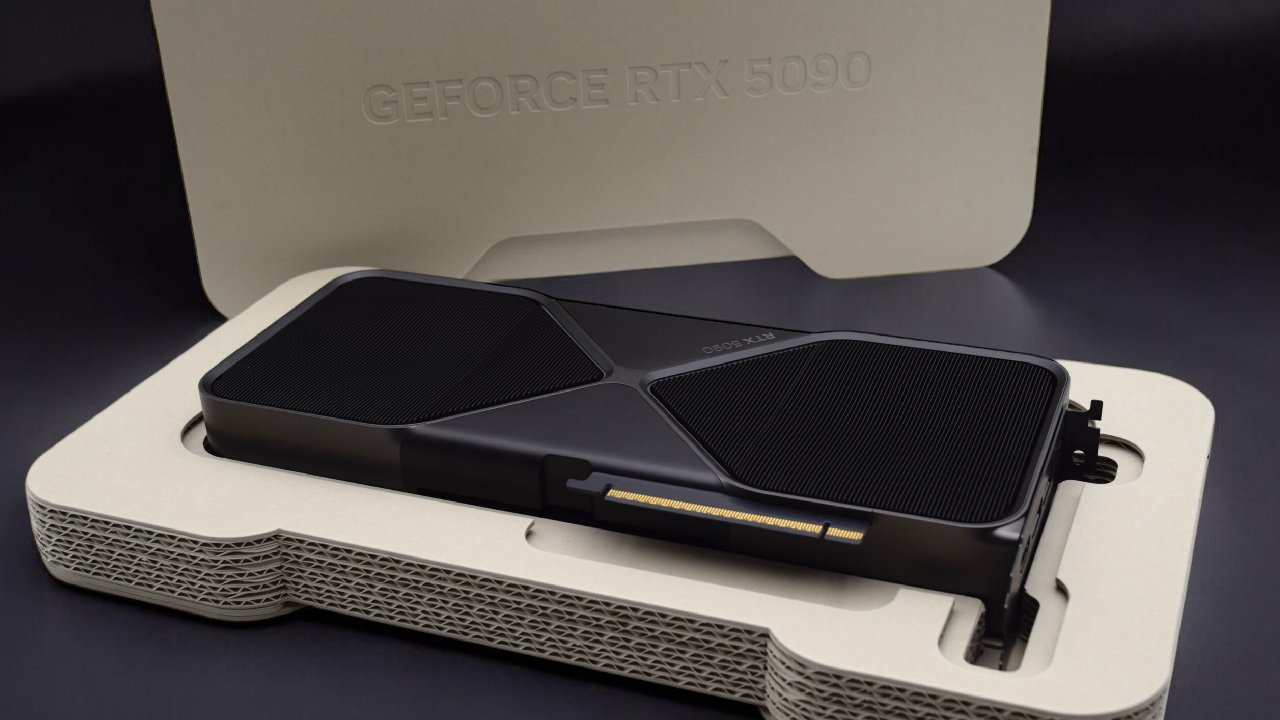
RTX 6000 Series Performance Expectations
RDNA 5 is understood to be on 3nm, and whenever a new process node arrives, there is an expectation of a step change in areas such as performance. Looking back at the 40 series, the move to 4nm delivered additional performance, but users also had to pay for it. That makes the percentage improvement hard to predict because the pricing of the new GPUs is unknown.
The situation could also resemble the 40 series if RDNA 5 is limited to higher-end mobile processors. A potential RTX 6070, compared with the RTX 5070, could mean different things. It would likely target a price point rather than specifications. There will also be continued improvements in machine learning-based features.
FSR Redstone and the expected RDNA 5 architecture point to a more holistic design that isn't focused only on increasing shader counts and delivering large performance gains. We are likely to see generational increases, but whether a 6070 performs closer to a 5070 Ti or an RTX 5080 will depend on how NVIDIA positions the product.
NVIDIA Could Focus on Smaller Architectural Changes
As Rich explained, the product is likely to target a price first, with performance following what that price allows. That is different from previous generations, where the 70 series delivered larger gains. Looking at the 2070, 3070, and 5070 over time shows that the generational jump can be significant. The current market may not follow that pattern.
This may not be the case more broadly, as GPU vendors are still seeking the best way to handle BVH processing. These types of architectural changes could become increasingly important as manufacturers seek to improve performance without simply increasing shader counts. The main issue surrounding the RTX 6000 series is the cost of the hardware.
It is difficult to determine how NVIDIA could produce the next generation and when these products could become accessible to the general public. Capabilities are also shifting away from the high end. A product such as the RTX 6090 could essentially raise the ceiling for existing GPUs. The users most likely to benefit would be those running high-spec displays and requiring very high resolutions.
In that type of system, the GPU could remove the bottleneck. Once the GPU is no longer the limiting factor, the bottleneck can shift back to the CPU and other PC components. More powerful hardware is always interesting, but in the current gaming market, the usefulness of that additional performance depends on what games and displays can actually use it for.
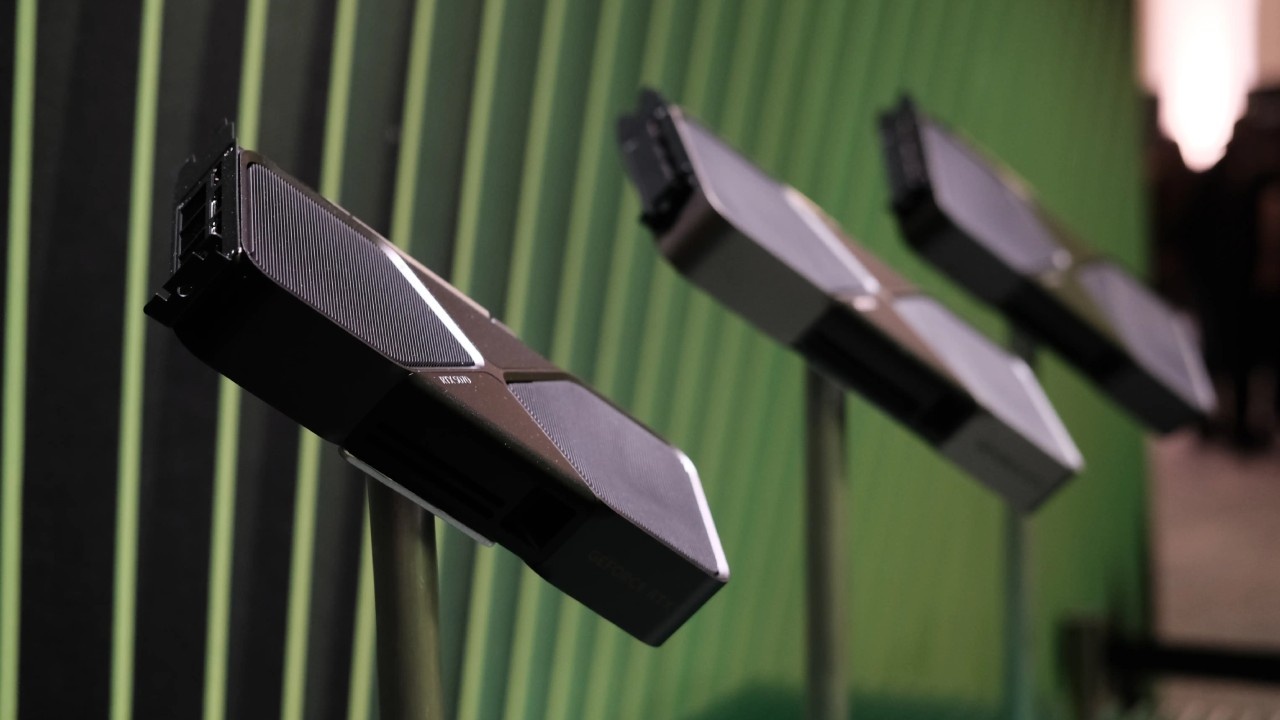
If the RTX 6000 series simply delivers more of the same performance at a higher level, that would be less interesting than introducing new features. NVIDIA has also introduced features that change what a GPU can do. If the next generation introduces technologies not expected today, it could provide another reason to consider the new hardware.
The 40 series is still sold in large numbers, showing that users continue to buy higher-priced GPUs.
Cheaper options still exist, but they don't always match the specifications or capabilities of lower-priced cards from previous generations. That could shape how the RTX 6000 series is positioned, particularly for products such as the RTX 6060 and RTX 6090.
The next generation may therefore focus on more than raw shader performance. Ray tracing acceleration, tensor hardware, machine learning, frame generation, image reconstruction, memory capacity, and software features could all drive differences between current and future GPUs.
We are reaching a point where gamers are willing to pay more for higher-spec components. For users, the RTX 6000 series could ultimately come down to balancing performance, features, memory, and cost. The level of improvement will depend not only on the architecture but also on how NVIDIA positions each GPU within the lineup.
Editor, NoobFeed
Gaming Hardware Updates
No Data.