
DDR4 and DDR5 Pricing Skyrocket Amidst AI Server Expansion and High-Margin Product Prioritization
Spot prices for DDR4 and DDR5 illustrate ongoing volatility as manufacturers prioritize enterprise modules over desktop components.
Hardware by Tanisha Aria on Nov 19, 2025
Memory prices are rising at a rate never seen before. This affects both the individual and business markets. The prices of DDR4 and DDR5 modules have risen significantly in the last few months.
This is due to high server demand, limited supply, and makers' strategic allocation. Prices are going up across the board, from personal PC kits to enterprise-grade modules.
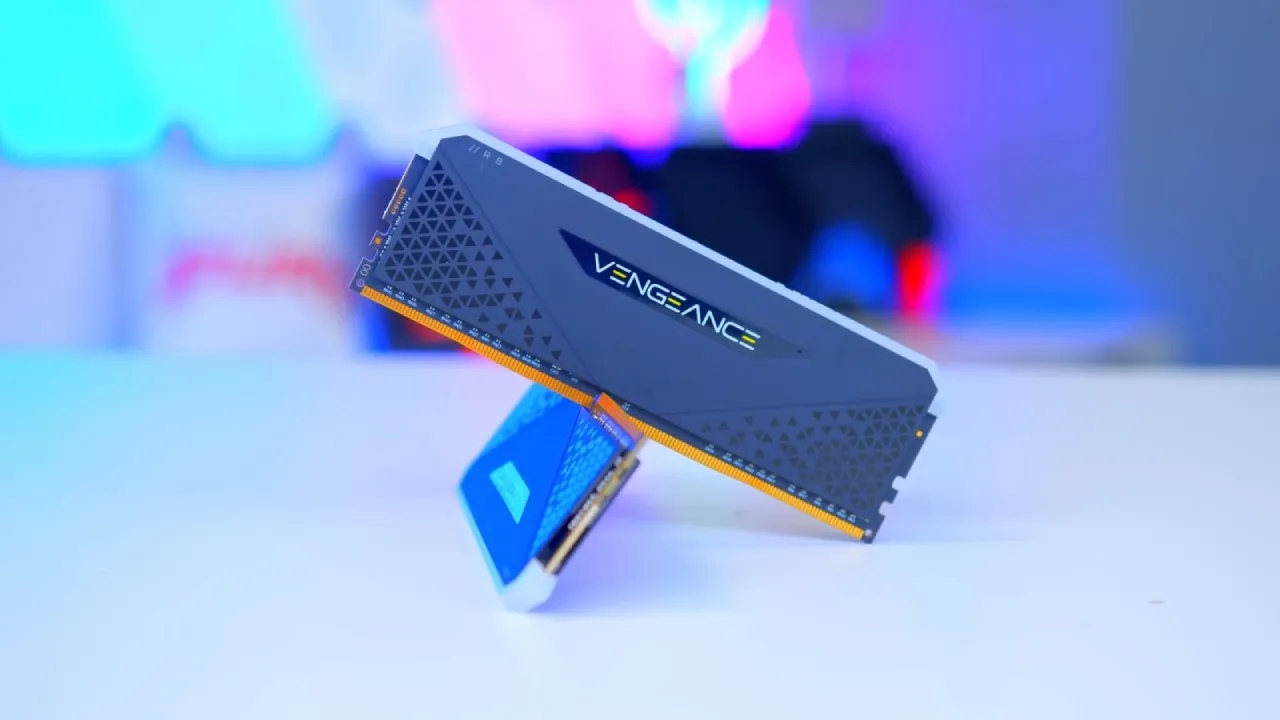
These price increases are likely to continue affecting the technology world as a whole. NAND flash, used in SSDs and other storage devices, is also moving in the same direction because data centers are using more of it, and supplies are getting tight.
DDR4 and DDR5 Pricing Trends
Over the past few months, the prices of customer memory kits have fluctuated significantly. For instance, in just over a month, the prices of 32GB DDR5-6000 CL30 kits from major retailers rose by 95% to 169%.
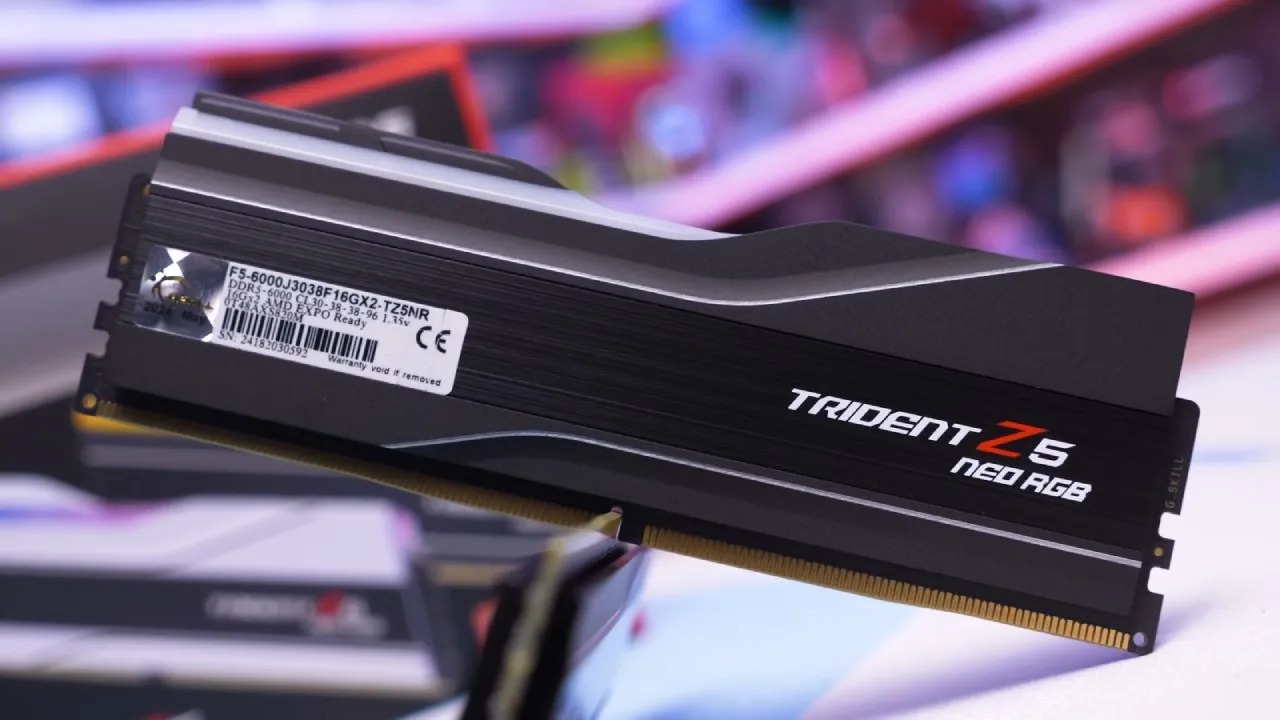
Kingston's Fury Beast RAM went from $137 to $267, G.Skill's Trident Z5 Neo RGB kit went from $125 to $270, and Team Group's T-Create Expert Kit went from $93 to $250, which is more than double. Price increases for even faster DDR5-7200 CL34 kits were similar, ranging from 62% to 130% across several brands.
In general, the prices of DDR5 kits at all speeds have almost doubled. This shows that market forces have an equal effect on high-end and common modules.
The price of DDR4, which is still used in many older systems and AM4 platforms, has also risen significantly. The price of 16GB DDR4-3200 CL16 kits has more than doubled over the past few months, as production has decreased while demand remains high.
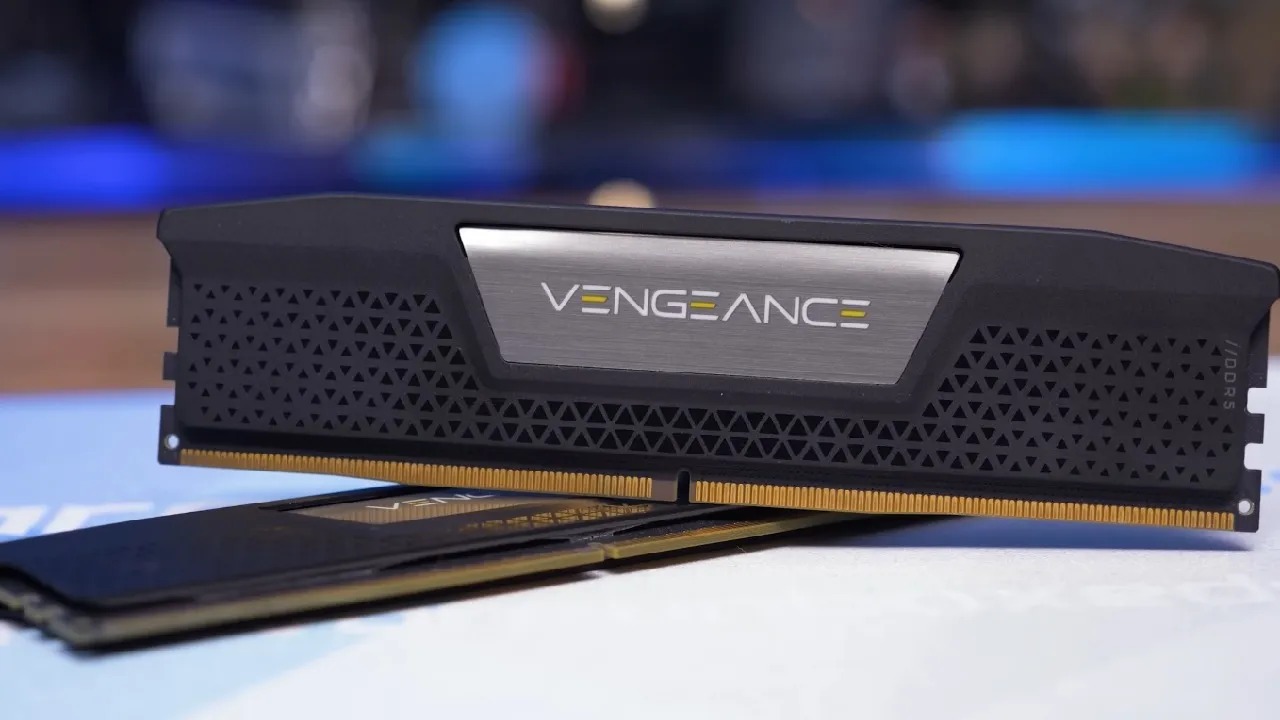
The prices of the Vengeance RGB kit from Corsair went from $84 to $170, the Vengeance LPX from $55 to $150, the G.Skill Ripjaws 5 from $52 to $146, and the Kingston Fury Beast from $55 to $145.
End-of-life (EOL) announcements and strong server and consumer demand have magnified the effect, leading to larger percentage increases in DDR4 than in DDR5, even though DDR5 costs more to begin with.
Spot Prices and Market Dynamics
Spot prices show how much memory costs right now by watching changes in supply and demand. The spot price for DDR4 16Gbit was $24.55 per session, and the spot price for DDR5 16Gbit products at 4800 and 5600MHz was $15.20 per session.
In late October, spot prices for DDR4 rose 7.05% to 22.38% week-to-week, while DDR5 spot prices rose 30% during the same period. Analysts said these price increases were driven by businesses rushing to stock up on supplies, further tightening the market for customers.
Three big companies, Samsung, SK Hynix, and Micron, are still in charge of the memory market. Most of the world's chip production is controlled by these companies.
Module makers like Corsair, Kingston, and G.Skill buy wafers and assemble kits. Price increases can be good for these module makers. Still, given their inventory, they can also be hurt by sudden cost increases. Each stick in a DDR5 kit costs more, but DDR4 is much more expensive right now because it is out of stock and no longer supported.
Historical Sensitivities and Market Volatility
There has been a history of supply problems and of external events having a significant effect on the DRAM market. Natural disasters like earthquakes and power outages have destroyed millions of dollars' worth of goods in the past.
There have also been man-made disruptions caused by sudden increases in demand for AI servers. During the COVID-19 outbreak, people building PCs at home for work caused a short-term surge in demand, followed by overproduction and an inventory glut.
In response, manufacturers cut back on production in late 2022 and early 2023. This, along with a drop in world revenue, made the market volatile today.
Price-fixing practices in the DRAM business have also been looked at by the law. In 2006, leaders from Samsung and SK Hynix were charged with participating in a worldwide DRAM price-fixing conspiracy.
Even though this hasn't happened in the current market, the industry's past shows how memory prices can change when manufacturers work together.
AI and Server Demand Driving Price Surges
At the moment, AI infrastructure and cloud service companies are using DRAM at levels never seen before. Server DDR5 and high-bandwidth memory (HBM) are more important than laptop modules because they have higher profit margins and more demand.
HBM, used in high-end GPUs for data centers, uses more than three times as much wafer space as regular DRAM, making it harder for consumer products to get. Manufacturers are shifting wafer production to these high-margin items, which means PC users will have fewer options and prices will go up.
According to TrendForce, these trends will continue until 2026. The price of structural memory will rise as AI servers demand more of it and manufacturers prioritize business applications.
Consumer DRAM is in short supply due to cloud service providers, and NAND flash used in SSDs is also likely to go up in price. SanDisk raised contract prices by 50% in November 2025, and it is said that Samsung is considering raising foreign supply prices by 20–30% in 2026.
In just under six months, the price of a 1TB TLC NAND block went from $4.88 in July 2025 to $10.70 in November 2025, a rise of over 100%.
Impact on Consumers and the PC Industry
For users, these memory price jumps mean that it costs more to build or upgrade PCs. Everything in the business is being touched, from desktop PCs and laptops to handheld devices and game consoles.
GPU makers, like NVIDIA, have started to place greater emphasis on denser modules for professional cards, which could delay the release of consumer products. ASUS and other sellers have said that rising memory costs could prompt retailers to raise prices, making things even more expensive for fans.
The current market offers customers few options, which is a shame. You could also buy used memory, since DRAM usually keeps its stability and value better than other parts like SSDs or GPUs. Buying around sales like Black Friday might help a little, but prices probably won't go back to where they were before the rise.
Final Thoughts
We are seeing an odd cycle of high memory prices that shows no signs of ending. Because of AI-driven server demand, limited wafer supply, and manufacturers' preference for high-margin products, the prices of both DDR4 and DDR5 may keep rising until 2026.
Similar patterns can be seen in NAND flash and other parts that use DRAM. This shows that these problems are not just happening with memory. Consumers may be able to save money by making smart buying choices, such as checking how much memory is already in use.
Still, the market is currently skewed toward enterprise and high-margin applications. Though prices might level off in the long run, the near future looks set to keep memory and storage costs high.
Also, check our other hardware articles:
- AMD Ryzen 9 9950X3D Review: Setting The Standard For 2025 Gaming CPU
- Amazon Luna 2025 Review: Is Prime Gaming's Cloud Service Your Go-To For Casual Fun?
- AMD RX 9070 XT Review: AMD's RDNA 4 Champion for 1440p Gaming
- GeForce Now Ultimate: Ditching Your Gaming PC For Cloud RTX 4080 Power?
- NVIDIA GeForce RTX 5080 Review (2025): Still A 4K Gaming Powerhouse?
- Intel Core Ultra 9 285K Review And Performance Breakdown (2025)
- AMD Ryzen 7 9800X3D Review: 3D V-Cache Goes God Mode with Stunning Gaming Performance
- Intel Core Ultra 9 285K vs AMD Ryzen 7 9800X3D: In-Depth Gaming Performance and Benchmark Comparison
- NVIDIA GeForce RTX 5080 Super Performance In Cyberpunk 2077: Path Tracing & DLSS 4.0 Tested
- AMD Radeon RX 9070 XT In Cyberpunk 2077: Ray Tracing & FSR 4.0 Tested
- Intel Arc B580 Review: The $250 GPU Revolutionizing 1440p Gaming
- Intel Arc B570 Vs. B580: Value, Specs, And Real-World Gaming Performance
- RTX 5090 Laptop Vs. M4 Max MacBook Pro: Ultimate Raw Performance Vs. Battery Endurance
- Intel Arc b580 Vs. RTX 4060: Game Performance And Value Analysis
- RTX5090 Hell Is Us Demo 4K Ultra Benchmark: DLSS Vs. Native Performance Guide
- NVIDIA RTX 5070 Review: Mid-Range Muscle or Marketing Hype?
- Nintendo Switch 2 Review: Handheld Performance, Features & Value Breakdown
- RTX 5070 Ti Review: Performance, Thermals & Power Efficiency Tested
- Samsung Odyssey OLED G81SF Review 2025: Ultimate 32-Inch QD-OLED Gaming Monitor
- AMD RX 9070 Performance Review: Thermals, Clocks, and Real-World FPS
- AMD Ryzen 5 7600 Review: Best Budget Gaming CPU of 2025?
- AMD Radeon RX 7800 XT Review: RDNA 3 Power For Midrange Gaming
- Asus ROG RTX 5090 Astral OC Vs. Founders Edition: The 4K Gaming Benchmark
- Intel Core i5-13400F Gaming Performance: Still Worth It in 2025?
- ASUS GeForce RTX 5090 LC Liquid Cooled GPU Review: Unmatched Silence & Speed
- ASUS ROG Ally X Handheld Review: Double the Battery, Double the Comfort
- Lenovo Legion Go S Review: The Ultimate Steam Deck 2 Alternative
- Sapphire NITRO+ AMD Radeon RX 9070 XT Review: The Ultimate 4K Gaming GPU
- Alienware 16 Area 51 Review: The Ultimate 2025 Gaming Laptop
- Alienware Area-51 Review: Unmatched 4K, Thermal, and Acoustic Performance
- AMD Ryzen 7 7800X3D: Delivers Gaming Performance Far Beyond Expectations
- AMD Ryzen 9 7900X Review: Powering the AM5 Era with DDR5 & PCIe 5.0
- Intel Core i9‑14900K vs. AMD Ryzen 7 7800X3D: Power Profiles & Gaming Benchmarks
- Intel Core i9 14900K: Specs, Benchmarks, and Competitor Comparison
- ASRock Radeon RX 7800 XT Challenger OC Review: Best Price-to-Performance GPU of 2025
Contributor, NoobFeed
Gaming Hardware Updates
No Data.